Court curbs mail-order access to abortion pill in the US

Court curbs mail-order access to abortion pill in the US
A federal appeals court rules that abortion pills must be dispensed in person, limiting mail-order access and stirring debate over reproductive rights.
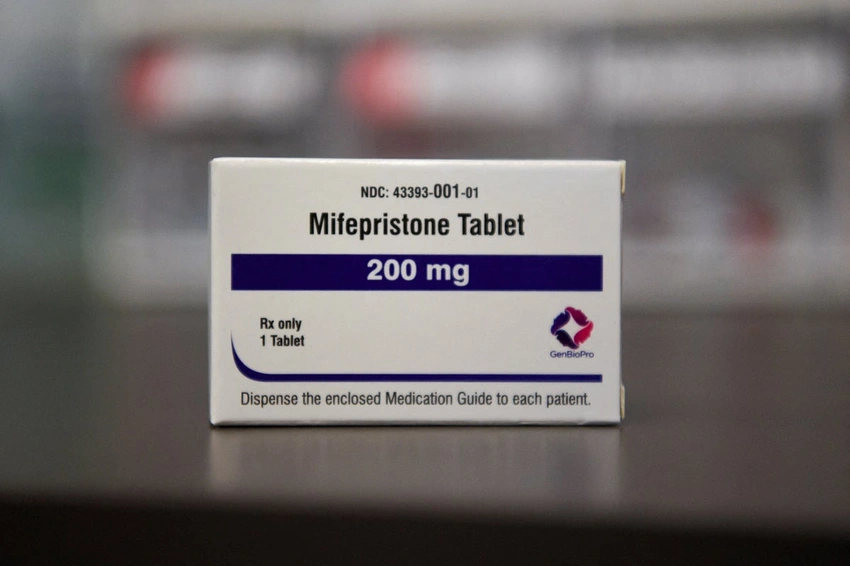
Courts in the United States have tightened how abortion pills can be obtained by mail, marking a new twist in the ongoing legal battles over reproductive health care. A federal appeals court ruled that the prescription drug mifepristone must be dispensed in person at clinics, pharmacies, or doctor's offices rather than delivered through mail or telemedicine. The ruling narrows a method that has become the easiest and most common way many people access medication abortion, especially for those living far from clinics or facing travel barriers.
The decision comes after years of lawsuits and earlier federal rulings about the FDA-approved drug. The panel's opinion said the in-person requirement is necessary to protect patient safety concerns and to impose more direct oversight on the drug's use. Supporters of the ruling say it helps ensure medical oversight and reduce misuse, while opponents warn it will create additional obstacles for abortion seekers, particularly in rural and underserved communities.
Clinics, doctors, and patient advocates immediately signaled the impact: patients may have to travel longer distances, schedule appointments to obtain a prescription, and face delays that could push some beyond the gestational window where abortion is allowed. Some providers could be forced to adjust how they offer care, including telemedicine options or referrals to in-person services. Legal experts predict further appeals and possible conflicts with state laws that regulate abortion care.
Advocacy groups on both sides quickly framed the decision as a pivotal moment in the broader abortion access debate. Civil liberties and women's health groups warned that restricting mail-order access adds new hurdles in a country already debating the legality of abortion rights. Meanwhile, medical associations urged policymakers to ground any restrictions in clinical evidence and patient safety, warning that delays could have real health consequences for people seeking care.
The ruling underscores how quickly the legal landscape around abortion is evolving in the United States, with court decisions continuing to shape where and how people can obtain medication-assisted abortions. The decision is likely to resume in higher courts, as the policy continues to clash with evolving federal and state rules about reproductive health services.
