Did US strike on Venezuelan boat spark war-crime questions?

Did US strike on Venezuelan boat spark war-crime questions?
Lawmakers probe a September 2 follow-up strike on a suspected narcotics boat, questioning legality and possible orders to leave no survivors.
A United States military operation on September 2 targeted a suspected Venezuelan drug-smuggling vessel in the Caribbean. Officials describe a two-stage mission: an initial precision strike that destroyed the boat believed to be ferrying narcotics, followed by a second attack that allegedly targeted survivors still in the water. The sequence has drawn bipartisan scrutiny as lawmakers question whether follow-on strikes against people who may no longer pose an imminent threat are lawful, especially when civilians could be present. The wider counter-narcotics campaign has produced at least 19 to 21 maritime attacks since September, resulting in more than 70 deaths, according to officials familiar with the briefing. The scrutiny comes as the administration defends the campaign as a necessary measure to disrupt drug trafficking networks and protect national security.
International law generally forbids firing on shipwrecked individuals and imposes strict rules on use of force at sea. Legal experts cited by lawmakers emphasize concerns about peacetime and wartime norms, proportionality, and the potential for miscalculation in dynamic maritime environments. The unfolding questions center on whether the second strike elevated risk to noncombatants and whether the commanders on the ground complied with the relevant rules of engagement and legal authorities.
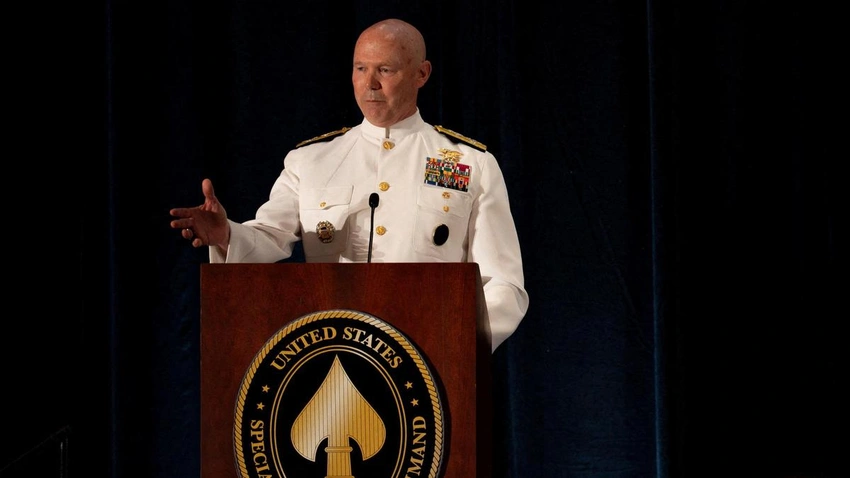
At the heart of the controversy are claims—denied by the administration—that Defense Secretary Pete Hegseth issued a direct order to eliminate everyone on the vessel. The White House has rejected those characterizations, stating that Admiral Bradley acted with explicit authorization to conduct kinetic strikes and to destroy the boat to neutralize the threat, within the law and command structure. Critics insist the phrasing leaves room for ambiguity about the scope of that authorization and the potential for survivor harm.
Supporters argue the broader mission targets drug cartels and networks possibly linked to Venezuelan authorities, asserting a legitimate national-security objective. Opponents warn that a lack of clear, transparent reporting could set a dangerous precedent and fuel escalation or miscalculation at sea. The incident has amplified calls for thorough bipartisan investigations and comprehensive public accounting of decisions, legal analyses, and the evidence behind each strike.
As congressional committees begin their inquiries, the public will likely demand a detailed timeline of orders, the legal basis for the engagements, and the risk assessments conducted before and after the follow-on strike. The outcome of these inquiries could influence future conduct of naval operations against illicit trafficking, especially in contested waters where questions of sovereignty and humanitarian norms intersect with urgent security needs.
Cover image source: White House says admiral ordered follow-on strike on alleged drug boat, insists attack was lawful 🔗
