The Rise of Online Slang: Is It Replacing Real Conversations?

The Rise of Online Slang: Is It Replacing Real Conversations?
The Rise of Online Slang: Is It Replacing Real Conversations?
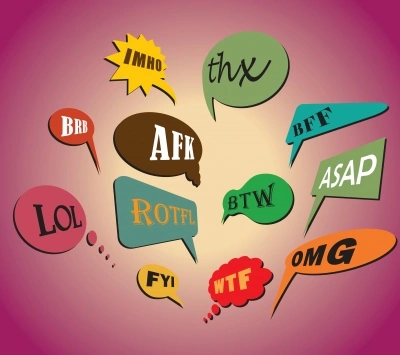
Think about it. How often do we find ourselves engaging in a conversation where we don’t constantly use terms that we picked up off social media. Whether it be “aura farming” or “skibidi sigma” (kids out there genuinely say this), online language has become more than just a passing phase in young people.
In a world where young people and even children are so easily exposed to the online world, it is only natural for them to pick up words, mannerisms and behaviours as a way of “fitting in”. It is also not uncommon for a language to evolve and develop certain slang over time which becomes a norm.
The English language has certainly changed a fair bit and this is quite evident when we read old literature and observe how people used to speak and write. Much like that, we must consider whether these new adjustments to our language is part of a fading trend or will some of these terms stick around.
For one thing, most of these terms are not entirely applicable in daily conversations. Young people have their own unique way of conversing that makes them find meaning in these words. The term “rizz” is just a shorter form of charisma but people use it oblivious to that fact.
What truly sets online language apart is how quickly terms like “yeet” or “sus” explode in popularity, boosted by viral memes and TikTok trends that move much faster than any slang ever did in past generations.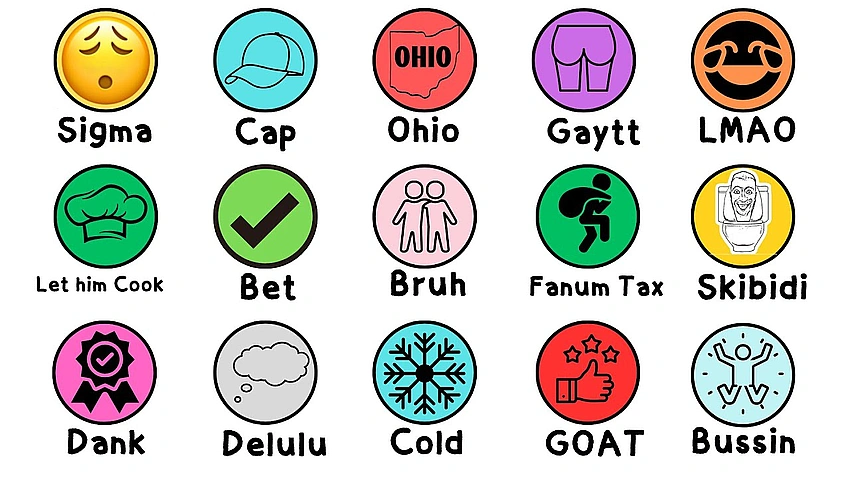
Today, words can become global phenomena overnight, only to fade just as quickly, while dictionaries struggle to keep pace with these rapid changes. Many of these terms, like “POV” or “mid,” live mainly in digital spaces and rarely cross over into real-life conversations, making them almost like secret codes for internet insiders.
Research shows that the sheer size and connectivity of the internet supercharges these linguistic shifts, especially for English, but the fact that so much online slang is preserved in chat logs and posts means these words can come back or change meaning with each new online generation.
It is also worth noting that the new generation (gen alpha) have grown in an era where most of their communication has been online and for them, it is more normal to have a conversation online than face to face.
This all adds up to a massive live experiment in how fast language can morph—one that helps young people build identity and community, even if it sometimes leaves outsiders scratching their heads. Whether these changes stick or vanish, it’s clear that digital talk has never made language more quick, quirky, and creative.
#OnlineSlang, #LanguageEvolution, #YouthCulture, #Communication, #Linguistics
