Trump's Arch in DC: Too Big for Historic Landmarks?

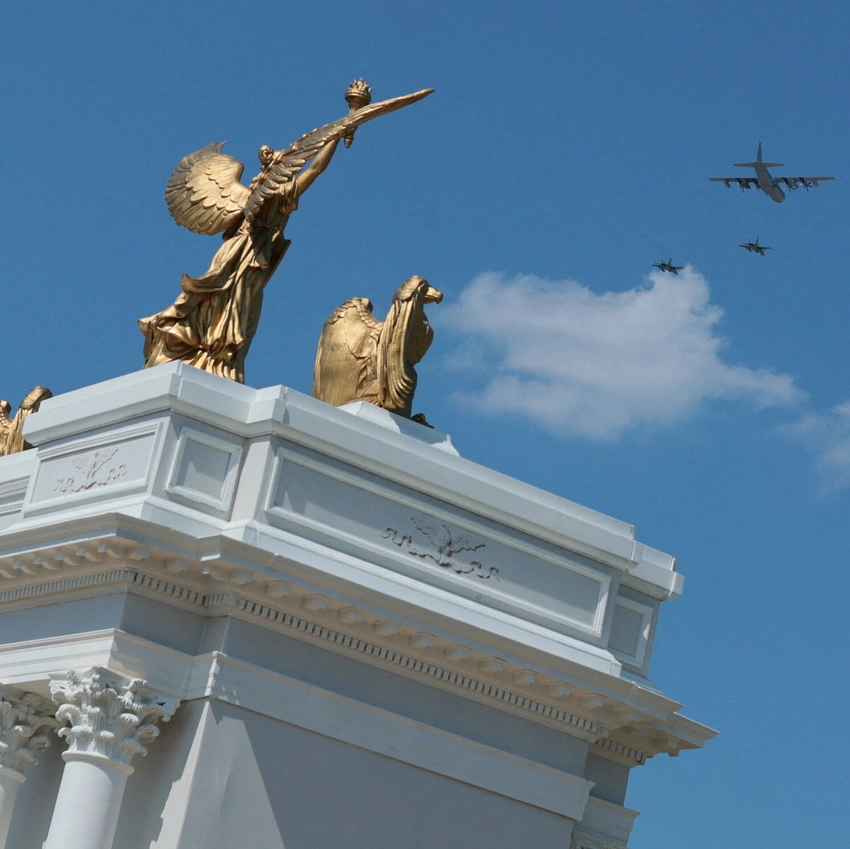
Trump's Arch in DC: Too Big for Historic Landmarks?
The National Park Service warns Trump's proposed 250-foot arch could negatively impact iconic Washington D.C. landmarks. Discover the controversy and potential changes to the capital's historic views!
The National Park Service (NPS) has issued a significant finding, concluding that the proposed 250-foot "triumphal arch" in Washington D.C. could cast an "adverse" shadow over nearly 40 iconic capital-area landmarks. This ambitious project, spearheaded by the Trump administration, is facing scrutiny for its potential to drastically alter the cherished views and symbolism of some of the nation's most important sites.
Among the landmarks at risk are the venerable Lincoln Memorial, the solemn Arlington National Cemetery, and the towering Washington Monument. The NPS review, part of the Section 106 process under the National Historic Preservation Act, has highlighted concerns that the arch could fundamentally change how these sites are perceived and experienced.
Public comments received by the NPS have underscored deep reservations. Critics have voiced worries that a viewing deck on the arch could disrupt the solemnity of military funerals conducted at Arlington. Furthermore, the sheer scale of the monument is seen as a visual barrier, potentially breaking up the historic sightlines between the Lincoln Memorial, a powerful symbol of national reunification, and the home of Confederate general Robert E. Lee.
Mical Durak, a principal planner for historic preservation in Arlington County, wrote to the Park Service, stating, "The scale and mass of the arch is inappropriate in the context of its historic setting and would negatively impact the physical and symbolic unity conveyed via the Arlington Memorial Bridge and Memorial Avenue between the Lincoln Memorial and Arlington house." Echoing this sentiment, Roger W. Kirchen, Virginia’s state historic preservation officer, remarked in a June letter, that "These adverse effects are intentional and inherent in the design of the arch; it is intended to dominate the surrounding landscape."
The review is a crucial step as the project seeks final approval from the National Capital Planning Commission, a decision that could come as early as their next meeting in early September. The ongoing debate centers on balancing architectural ambition with the preservation of historical integrity and the unique character of Washington D.C.'s monumental landscape.
