Digital Necromancy? Gene Wilder's AI Voice Sparks Uproar on Netflix
Digital Necromancy? Gene Wilder's AI Voice Sparks Uproar on Netflix
Netflix's new show, 'Wonka’s The Golden Ticket,' features an AI-generated Gene Wilder voice, stirring a huge ethical debate. Fans are calling it 'pure evil' and questioning digital resurrection. Is this the future or a s
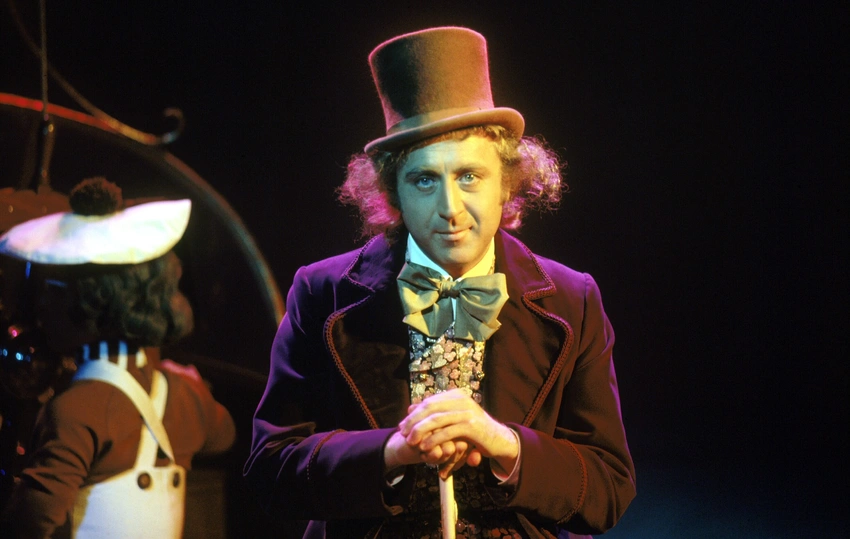
The intersection of technology and legacy has just gotten considerably more complex. Netflix's upcoming reality series, 'Wonka’s The Golden Ticket,' set to premiere on September 23, is igniting a fiery debate among fans and industry observers alike. The show, which promises a competition for prizes in a meticulously recreated world inspired by Roald Dahl’s 'Charlie And The Chocolate Factory,' features a particularly controversial element: an AI-generated voice of the beloved Gene Wilder.
Wilder, who passed away in 2016, remains for many the definitive Willy Wonka from the iconic 1971 film, 'Willy Wonka And The Chocolate Factory.' While his widow has reportedly granted permission for the use of his AI voice in the series, public reaction on platforms like X (formerly Twitter) has been overwhelmingly negative. This isn't just mild disapproval; it’s a visceral rejection of what many perceive as 'digital necromancy'—the resurrection of deceased personalities through artificial intelligence.
Online comments paint a stark picture. One user minced no words, stating, 'Fucking Sick. and I don’t mean that as a compliment.' They continued, 'Gene Wilder is GONE and so is his magic. This is pure evil to use his memory with AI crap. Netflix has reached all time LOWS.' Another sentiment echoed this deep unease, 'I would rather Netflix let Gene Wilder rest instead of turning him into AI slop.' This isn’t merely about nostalgia; it’s about respect, legacy, and the perceived commodification of a revered artist’s essence.
The core of the outcry centers on ethical implications. Is permission from an estate sufficient when the broader cultural sentiment is one of discomfort or even outrage? As another critic on X eloquently put it, 'Netflix treating a dead man’s voice like free stock footage just shows how fast they’ll gut any legacy for another cash grab instead of making something original.' This perspective highlights the tension between innovation, profit, and artistic integrity.
This incident is a critical bellwether for the entertainment industry. As AI voice generation and deepfake technology become more sophisticated, the questions surrounding posthumous digital performances will only intensify. What precedents are we setting? How do we balance technological capability with ethical responsibility? 'Wonka’s The Golden Ticket' has inadvertently become a flashpoint, forcing a necessary, albeit uncomfortable, conversation about where the lines of digital preservation and exploitation truly lie. The industry must proactively address these concerns before they become insurmountable ethical quagmires.
