Beyond Infinity: Why Animated Franchises Rule the Box Office

Beyond Infinity: Why Animated Franchises Rule the Box Office
Toy Story 5 just shattered records! What's the secret sauce behind animated films' unstoppable box office dominance? We dive into the magic.
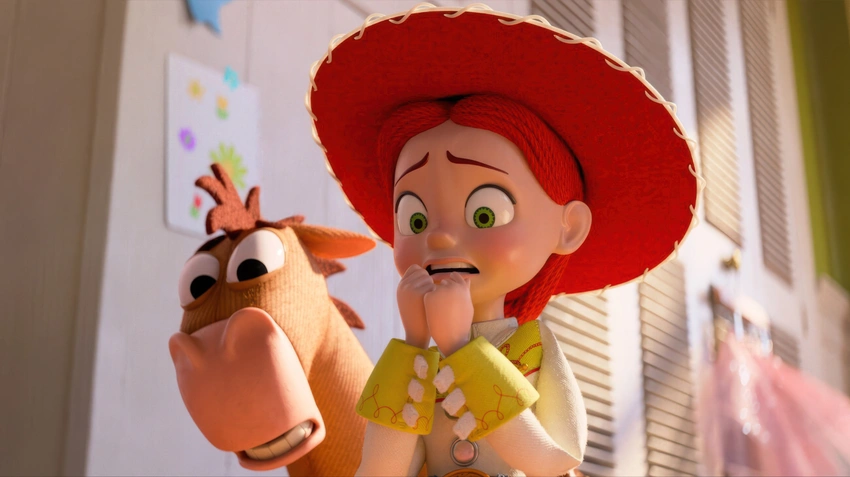
The numbers are in, and once again, an animated feature has proven that the power of imagination translates directly into box office gold. Disney's Toy Story 5 just delivered an absolutely spectacular debut in the U.K. and Ireland, pulling in a staggering £15.3 million ($20.2 million) and marking the biggest opening weekend in the franchise's history for that territory, launching across over 300 locations.
It's a powerful reaffirmation of animated films' seemingly unshakeable hold on the global theatrical marketplace.
But what's the real secret to this consistent, often record-breaking, success?
It's not just about flashy animation, though modern techniques certainly play their part.
The true magic lies in a unique blend of timeless storytelling and unparalleled demographic reach.
Animated films, especially those from established franchises, possess a rare, almost alchemical ability to appeal to literally everyone in the family, from the youngest viewer captivated by vibrant visuals to the oldest adult who finds themselves deeply moved by poignant narratives and nostalgic callbacks.
Think about it: parents who grew up with the original Toy Story films are now taking their own children to see the latest installment. This creates a multi-generational viewing experience that few other genres can genuinely replicate.
It's a shared cultural touchstone, a collective memory-making machine.
They're traditions. Each new entry doesn't just attract new fans; it reactivates a colossal, pre-existing fan base eager to revisit beloved characters and worlds.
Moreover, the quality rarely dips. Studios like Pixar, which gave us Toy Story 5 , consistently invest in top-tier writing, voice acting, and animation, ensuring that each film isn't just a cash grab, but a genuinely compelling piece of cinema. This commitment to excellence fosters trust among audiences.
When a new installment is announced, there's an inherent belief that it will be good, often great, and worthy of their hard-earned money and precious family time.
The economic model is also robust. Animated films are merchandising juggernauts. The characters become toys, clothes, video games, theme park attractions, extending the life and profitability of the intellectual property far beyond the theatrical run.
This symbiotic relationship between film and product fuels a continuous cycle of engagement and anticipation.
In an increasingly fragmented entertainment landscape, where streaming services compete aggressively for eyeballs, animated film franchises offer a compelling reason to gather the family and head to the cinema. They promise an experience, a communal joy, and a shared adventure that feels both fresh and comfortingly familiar.
The incredible performance of Toy Story 5 is just the latest, vibrant chapter in this never-ending story of animated dominance.
And frankly, we're all here for it.
