Trump Exits UN Climate Bodies, Reshaping Global Climate Policy

Trump Exits UN Climate Bodies, Reshaping Global Climate Policy
US withdrawal from 66 UN climate and science groups signals a major policy shift, prompting debate over climate finance and international leadership.
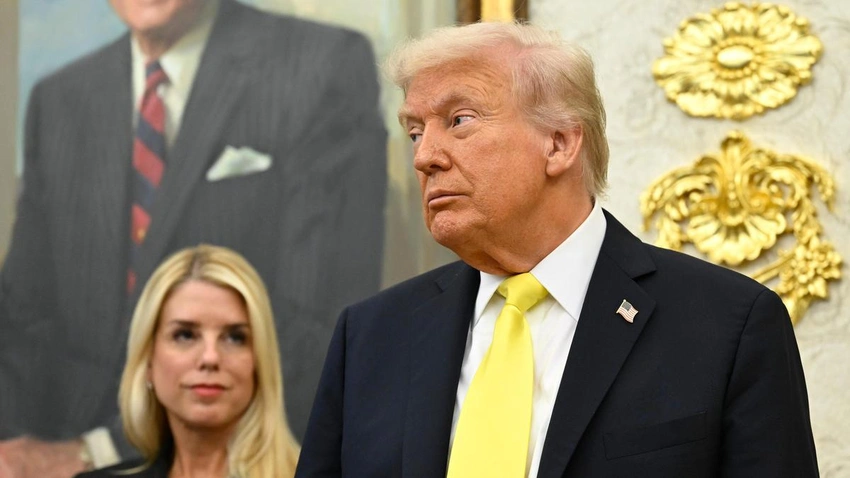
President announces the United States will withdraw from 66 international organizations focused on climate, science, and environmental action, signaling a sharp turn in the administration's foreign policy. The move marks a clear shift toward prioritizing American interests and domestic priorities, including a stronger emphasis on fossil fuels, with the White House citing a need to rework engagement with international bodies. The decision is framed by an executive order that guides this withdrawal and reshapes how the US will engage with UN climate and science programs.
Experts warn that stepping back from key UN climate bodies could complicate global efforts to curb emissions, slow climate finance flows, and erode credibility in long-running negotiations. Critics argue that the absence of the U.S. from coalitions lowers political leverage for ambitious pledges, making it harder for other nations to justify larger climate investments. The move could also ripple through funding channels and shift leverage within multilateral forums where climate finance hinges on broad participation.
Supporters argue a recalibration is needed: carbon policy should stem from domestic markets and innovation, not from external compacts. The shift could prompt other countries to adjust their own strategies, potentially spurring bilateral deals or regional cooperation outside the UN framework. Proponents say it allows the U.S. to pursue faster, homegrown solutions while avoiding what they view as onerous international mandates.
Officials say the administration plans to pursue a different approach to climate leadership, focusing on science-led innovation and energy independence, while leaving room for unilateral actions. The international community will likely reassess allocations of climate finance and the political calculus behind future pledges, potentially reshaping the path toward global climate goals.
