Tejas Jet Delivery Stalls, Is India’s Fighter Program at Risk Due to US Engine Delays?

Tejas Jet Delivery Stalls, Is India’s Fighter Program at Risk Due to US Engine Delays?
HAL’s Tejas jet deliveries to the IAF stall as US-made GE engines face delays. Investigating the real risks, local plans, and what’s at stake for India’s air power.
India’s ambitious plan to modernize its air force with indigenous Tejas jets has hit turbulence. Despite Hindustan Aeronautics Limited (HAL) lining up six Tejas Mk-1A fighters for delivery by March 2026, a critical shortage of engines from US-based GE Aerospace has thrown the program off course. With the Indian Air Force (IAF) already sounding the alarm on dwindling fighter numbers, this delay raises uncomfortable questions: Why are US engines still a bottleneck? What’s being done to break free from foreign dependence? And could this setback compromise India’s air defense readiness?
GE Engine Bottleneck
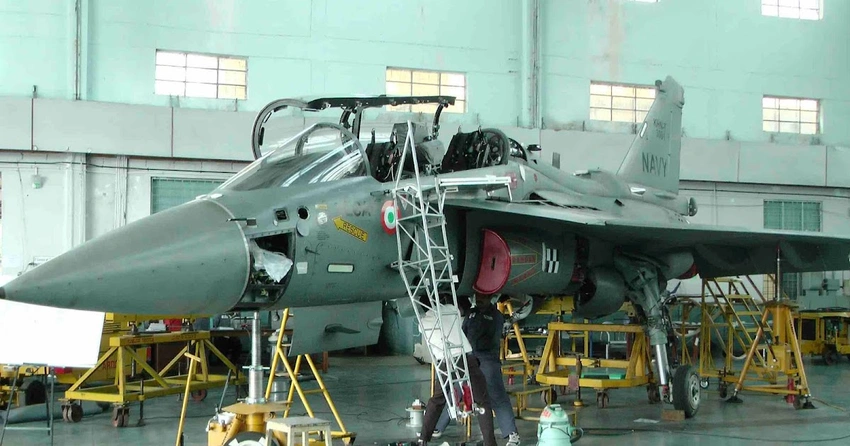
HAL’s chairman, D K Sunil, recently confirmed that while six Tejas jets are ready for handover, only one engine has arrived from GE so far, is far short of the 12 promised for the current fiscal year. The rest of the jets are grounded, waiting for their powerplants. The root cause? GE Aerospace, contracted in 2021 for 99 F404 engines, has struggled with supply chain issues, staff departures, and what some insiders describe as “lower prioritization” of the Indian variant.
This is not the first time engine delays have hampered India’s fighter plans. The first batch of 40 Tejas jets ordered in 2009-10 is still not fully delivered, with engine supply again cited as a chief culprit. The COVID-19 pandemic worsened global shortages, but critics argue that HAL’s reliance on a single foreign supplier is a strategic vulnerability that should have been addressed long ago.
Why the Dependency?
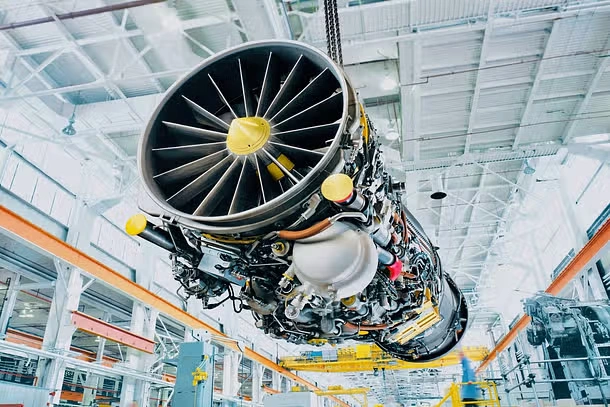
Why does a country aiming for self-reliance in defense still depend on a foreign firm for such a critical component? HAL and the Ministry of Defence have long touted “Aatmanirbhar Bharat” (self-reliant India), but the reality is stark: India’s jet engine technology lags behind, forcing reliance on US-made F404 and F414 engines for both current and future Tejas variants.
There are also diplomatic risks. The GE-HAL engine deal, signed during a high-profile US-India summit, still awaits final US Congressional approval for technology transfer. What if future geopolitical tensions disrupt this pipeline? And why hasn’t India’s own engine development program, decades in the making, produced a viable alternative?
HAL’s Stopgap Measures, and Their Limits
To keep the production line moving, HAL is considering using reserve engines and those from older prototypes for test flights and initial deliveries. While this workaround might help meet immediate deadlines, it’s hardly a long-term fix. The IAF, which needs at least 40 new fighters a year to maintain combat strength, cannot afford such uncertainty.
F414 engines Local Production on the Horizon
There is movement on the local manufacturing front. HAL aims to begin assembling GE’s advanced F414 engines in India by late 2025, under a joint production agreement that promises significant technology transfer. The plan is ambitious: produce up to 30 engines a year, with 80% of components sourced domestically. But with the first “Made in India” F414 engine at least three years away, the immediate crisis remains unresolved.
The delay in Tejas deliveries is not just a manufacturing hiccup, it’s a national security issue. The IAF’s aging MiG-21s are overdue for retirement, and every year of delay widens the gap in India’s air defense capabilities. If engine supplies remain erratic, India’s dream of a self-reliant, modern air force could be grounded.
