Romantasy: A New Love Language for a New Generation

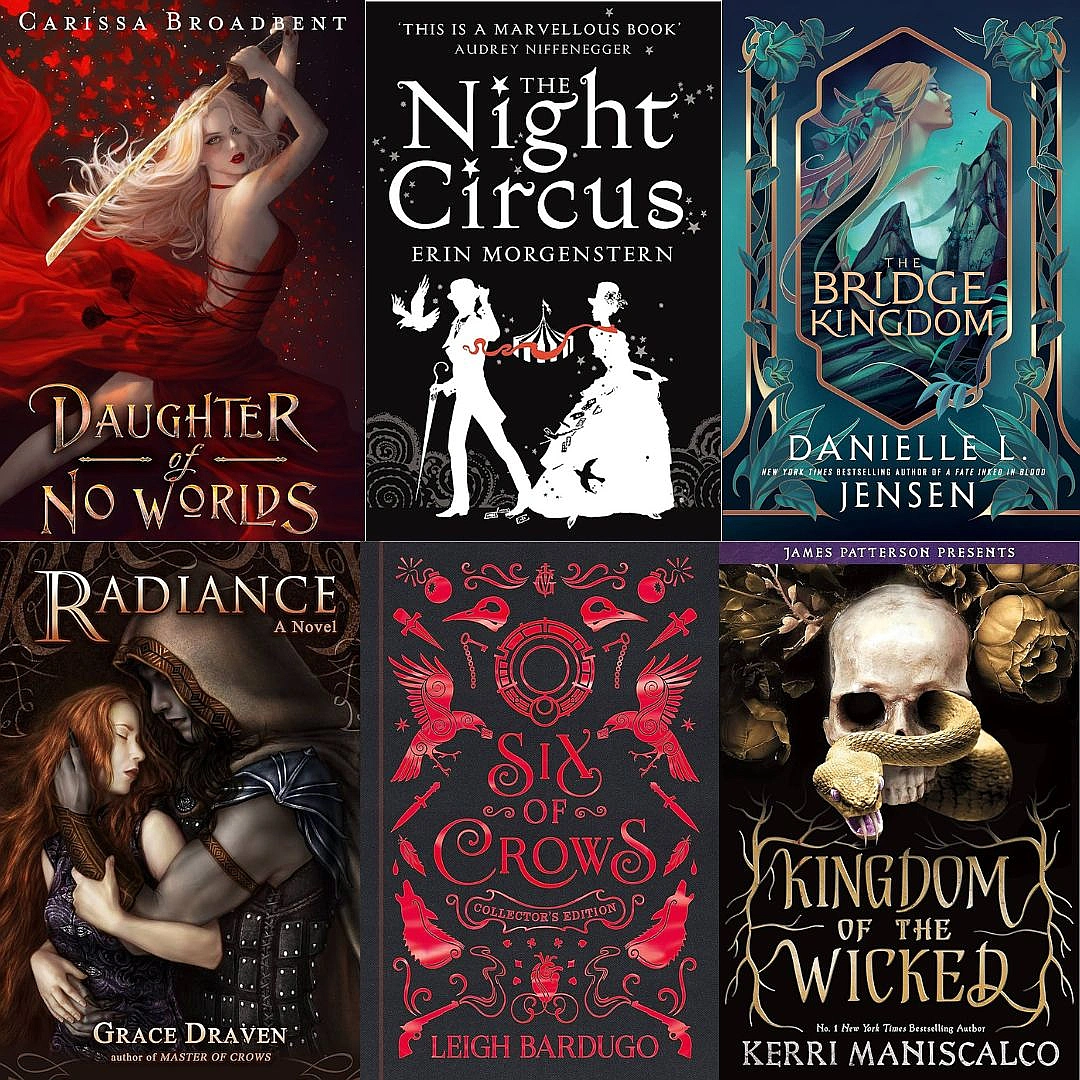
Romantasy: A New Love Language for a New Generation
Romantasy: A New Love Language for a New Generation
Explore romantasy, the fusion of romance and fantasy that treats love as essential to world-building. This essay explains why the genre matters now for young readers and how it reshapes desire, power, and belonging.
In recent years, a literary genre widely called romantasy: a fusion of romance and fantasy, has begun to articulate what might be called a new love language for younger readers and writers alike. It is a genre in which the romantic plot is not merely incidental, but structurally indispensable. As one definition puts it, romantasy is “a fantasy plot with a central romance that follows romance book ‘beats’ … the romantic and fantasy aspects of the story are equally important.” What distinguishes romantasy from fantasy-with-romance by insisting that if the romance were removed, the story would collapse.
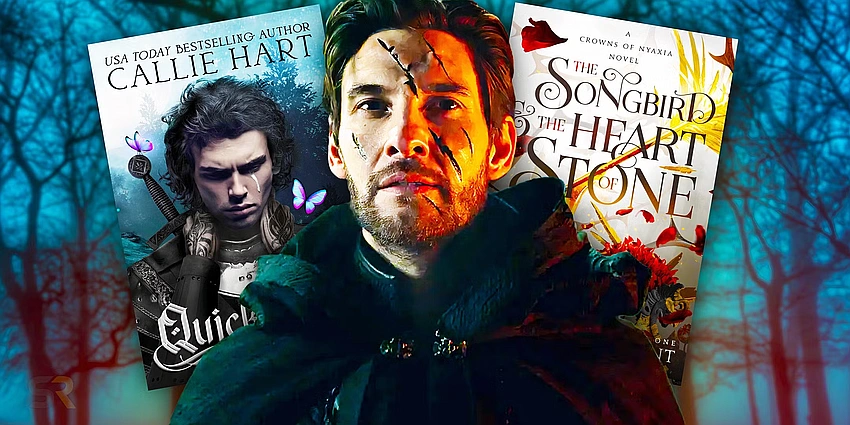
What interests me as a postgraduate literature student is how it signals a shifting relationship to love, world-building and identity in contemporary culture. Romantasy offers a space where love isn’t sidelined, and fantasy isn’t just an accessory; together they become a mode of expressing desire, power and belonging.
Why Now? Why This Generation?
There are a number of reasons why romance resonates so strongly with younger readers, those who may have grown up reading fantasy, now seeking a more emotionally engaged narrative. It allows women to be powerful in epic quests and to find love with a partner who is their equal. In other words, romantasy offers a sanction for characters and, by extension, readers to hold both agency and yearning in tandem.
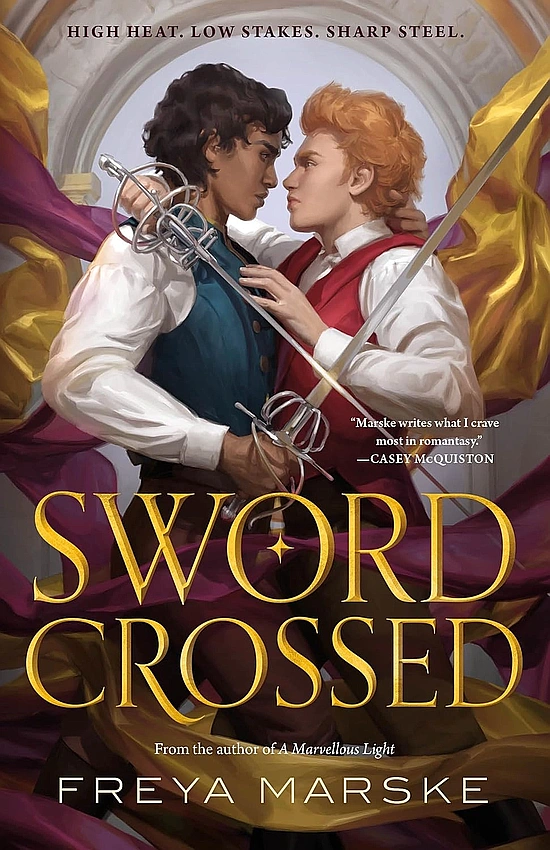
In an age where digital connectivity, social media and identity-formation are intertwined, the language of romance has shifted. Romantasy often invites you to imagine worlds, identities and relationships that depart from the norm. The genre also normalises queer romance, normalises having people of colour in fantasy and has it not be the traditional white male medieval village scenario. Hence, romantasy is a reframing: love and adventure cohabitate; desire is allowed to be as grand as dragons.
The Mechanics of a New Love Language
What does this genre teach us about love in its narrative form? There are certain tropes and formal features worth noting:
- The romance is central rather than peripheral. The protagonists’ romantic relationship drives character development and plot.
- The fantasy world is fully realised, not simply an exotic backdrop. Magic, politics, systems of power and world-building matter to the romance.
- The characters often struggle between personal desire and greater duty—giving the romance stakes beyond “will they or won’t they”. Internal conflict and external fantasy conflict interplay.
- Emotional intensity, sensuality and desire are more overt. The word “spice” is used for the erotic element of romance.
- Tropes such as enemies to lovers, forced proximity, magic-user love interests—or mythic stakes—are common.
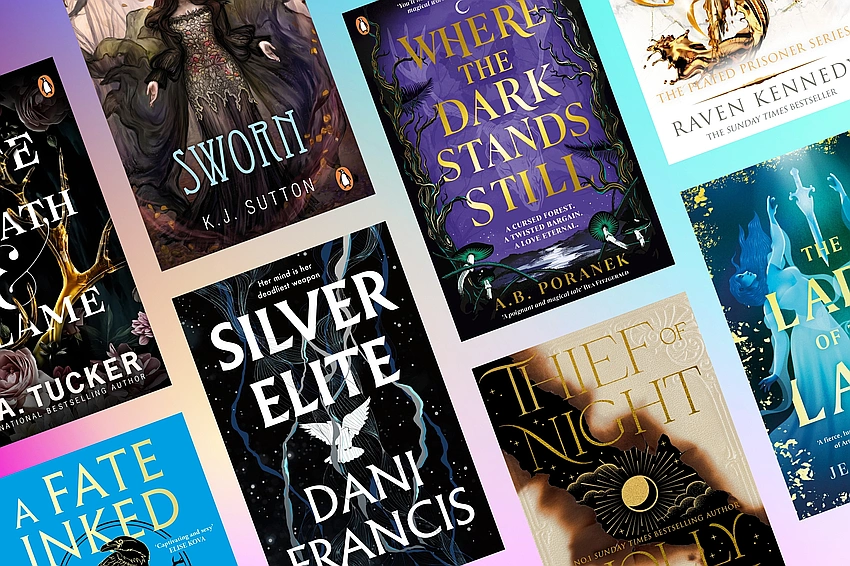
For our generation of readers and writers, this translates into a language of love that acknowledges complexity. Love is not just sweet or domestic—it is epic, dangerous, other-worldly, but still intimate. It is a love language that says: yes, you can have a dragon, a kingdom, and a deeply vulnerable moment of confession all in the same narrative.
What It Means for Us, the Readers and Writers
- Agency in Romance: Traditional romance often returns to familiar dynamics, sometimes tied to heteronormative expectations. Romantasy celebrates protagonists—often women—who are fighters, seekers, world-changers, and who still want love. That duality matters.
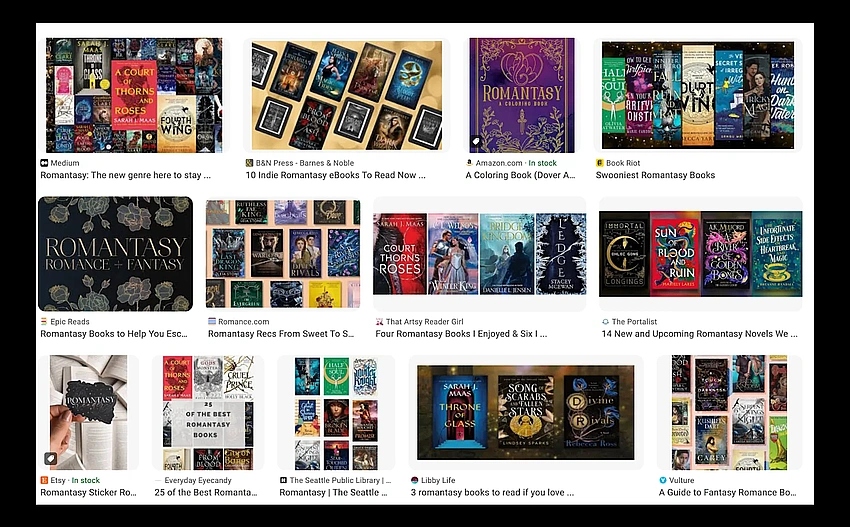
- Genre as Identity Formation: In a digital age, where fandom, social-media book-recommendations (BookTok, Bookstagram) and meme culture influence reading habits, romantasy stands at the intersection of two desires: belonging to a world and belonging to someone. The love language it offers is both intimate and communal.
- Myth and Personal Meaning: By blending mythic stakes with emotional stakes, romantasy gives us permission to treat love as meaningful beyond the private. The love-story in these texts is often entangled with rebellion, magic, and identity-quest. It invites us to consider love as part of world-making.
Some Caveats and Questions
Of course, every new genre that surges in popularity invites scrutiny. One concern is whether the “romantasy” label is becoming a marketing label more than a meaningful formal category: what exactly counts as “romantasy” remains contested. Another question is whether the tropes (magic user, ex-enemy lover, one-bed) risk repetition or reinforcing problematic power dynamics under the guise of fantasy.
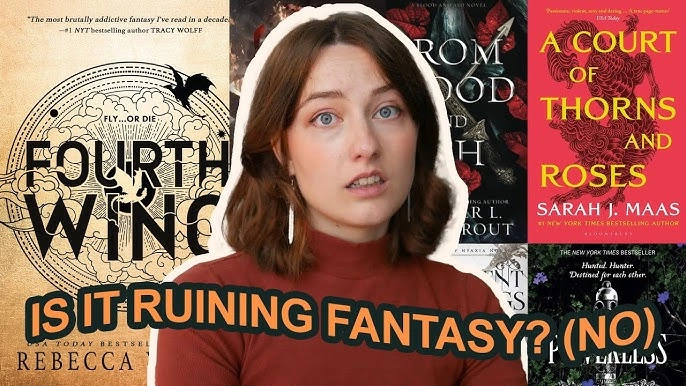
As a literature student, I’m mindful that the appeal of the genre does not absolve it of critical reading: how do power, desire, gender, and agency operate in these texts? What worlds of possibility and what worlds of limitation do they produce?
A Language Worth Learning
Romantasy represents a new love language because it asks us to imagine love on the scale of worlds, and worlds on the scale of love. It says: you can enchant and be enchanted; you can rule and be ruled; you can fight and still yearn. For a new generation already steeped in hybrid identities, global imaginaries, digital networks of desire and escape, that language is both potent and timely.
As readers and creators, we might embrace romantasy not simply as a fun trend, but as a signifier of how we want love to feel: expansive, dangerous, inclusive and yes, glamorous. Because sometimes the heart wants a quest, and the quest wants a heart.
#Romantasy #FantasyRomance #LoveLanguage #WorldBuilding #YA #BookTrends
