Red Alert in Delhi: Climate Change Hits Home with a Dust Storm

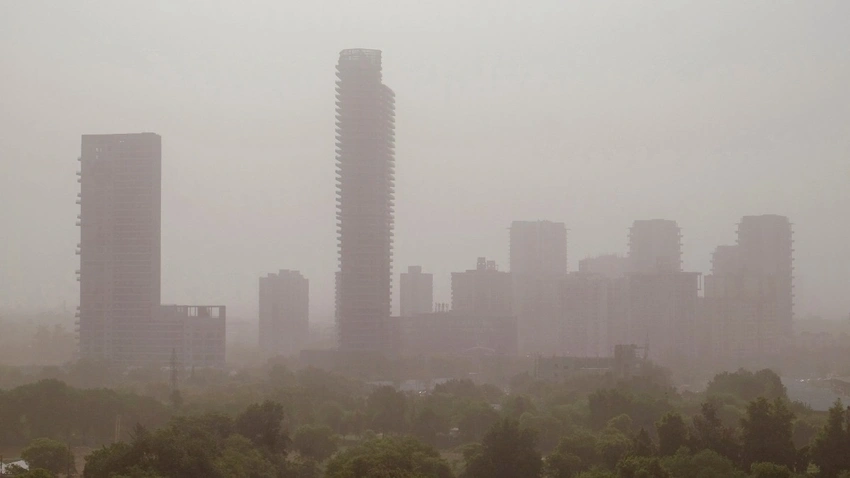
Red Alert in Delhi: Climate Change Hits Home with a Dust Storm
Delhi just got hit with a severe dust storm, strong winds of 80-100 kmph, and a red alert from IMD. This isn't just bad weather—it's a stark reminder that climate change is shifting our local patterns.
Our Weather is Changing, And It's Hitting Hard
When skies over Delhi darkened abruptly on a Tuesday afternoon, accompanied by dust and winds sweeping through the city, it wasn't just a typical day's weather. The India Meteorological Department (IMD) quickly issued a red alert, signaling severe thunderstorms, lightning, and rain, with squally winds predicted to hit 80-100 kmph in many areas.
This dramatic change, arriving around 2:30 PM and drastically reducing visibility, felt less like an isolated incident and more like a loud alarm bell for what's truly happening to our local climate.
What we witnessed, this intense dust storm and the accompanying severe weather, isn't merely a 'bad weather day'. It's a textbook example of how climate change is amplifying local weather patterns, making them more extreme and unpredictable than ever before. Meteorologists described this as a 'typical pre-monsoon weather pattern'.
But let's dig deeper into what 'typical' means now.
It means extremely hot surface temperatures over north-west India creating highly unstable atmospheric conditions. Then, when cooler air from an approaching weather disturbance interacts, it forces that warm air near the surface to rise rapidly.
This process builds intense thunderstorm clouds and generates powerful downdrafts, leading to the kind of 80-100 kmph winds that can feel apocalyptic.
We often talk about climate change as a global phenomenon, something happening 'out there'. But these events bring it right to our doorstep. The red alerts, the sudden drop in visibility, the sheer force of the winds, these aren't just inconveniences.
They disrupt daily life, pose significant safety risks, and strain infrastructure.
We need to start asking: is this intensity, this abruptness, becoming our new normal?
It's clear that the 'normal' meteorological conditions that once governed our seasons are being pushed to their limits. The subtle shifts in temperature, humidity, and atmospheric pressure are now producing far more dramatic outcomes. They are symptoms of a larger system under stress.
We must recognize that the impact of climate change on our local weather is far more profound and immediate than many of us realize.
Taking such warnings seriously - the red alerts for severe conditions - is paramount.
But more importantly, understanding the underlying climate dynamics that are fueling these increasingly intense local weather phenomena is critical.
Our future demands a proactive approach, not just reactive responses to each new storm.
The sky darkening over Delhi should serve as a powerful reminder: climate change isn't a distant threat; it's here, it's impacting our very own backyard, and it's demanding our urgent attention.
