Love Triangles and The Illusion of Choice

Love Triangles and The Illusion of Choice
Love Triangles and The Illusion of Choice
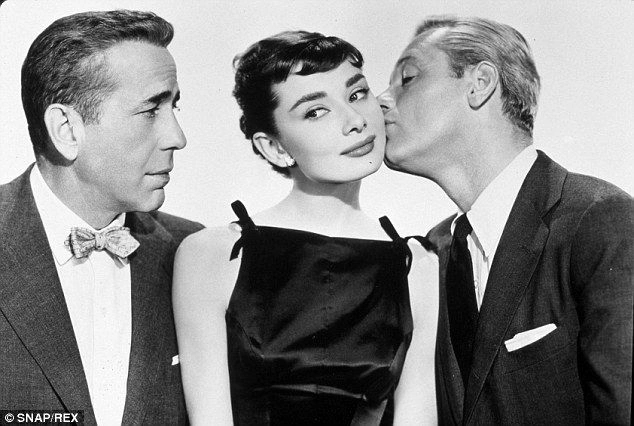
The story of one person caught between two potential lovers has been the romance trope for centuries till date. On the surface, it looks like that so-called ultimate romantic dilemma, two people in love with you, both offering something different, and it's you whose holding the power of choice. But is it really that simple? Or is the love triangle less about genuine options and more about the illusion of choice? I suppose we'll never know.
Why are we obsessed with love triangles so much?
Why do we prefer a love triangle over a ride or die relationship between a girl and a boy?
Why do we prefer a messy love confession over a pre-planned proposal near the Eiffel Tower?
Love triangles tap into our most primal desires: to be wanted, to be chosen, and to feel special. Psychologists argue that part of the appeal comes from the ego boost — the idea that two people are competing for your affection. In other words, triangles aren’t just emotional; they’re chemically addictive.
This is why, even when we know they’re messy, audiences are completely hooked. They heighten the drama, raise the stakes, and make us wonder: If I were them, who would I choose? and it's so blood boilingly fun to engage in.
But here’s the catch, while it looks like the character is spoiled for choice, love triangles often function within a framework which is limited. The decision feels monumental, yet in reality, it’s more about what each option represents than about real freedom.
Think about the two poles in almost every triangle. One lover is usually “safe” , dependable, kind, and steady. The other is the “wild card”, passionate, mysterious, and magnetic. Such as Jeremiah vs. Conrad. Peeta vs. Gale. Damon vs. Stefan. It’s not just about people; it’s about the archetypes.
When the triangle is presented this way, the protagonist’s choice is framed less as a genuine decision and more of as a personality test. Are you someone who craves stability or intensity? comfort or chaos? But either way, you’re locked in.
Another such layer is when the woman is usually placed at the center, portraying her as the prize to be won. Her entire personality is showcased to who she is going to choose by the end of the story. On paper, she has power: two men want her. But on set, she's defined by the choices she makes. The triangle rarely asks: what if she chose no one? What if her story wasn’t about romance at all?
What’s fascinating is how rarely stories give equal space to the third option: choosing yourself. In recent years, though, more narratives have started experimenting with this. Shows like Fleabag and Sex Education complicate the triangle trope by suggesting that the most radical decision isn’t between love interests, but between external validation and self-definition.
This is why breaking the illusion matters. Love triangles can still be fun, dramatic, and engaging, but we need to remember that they’re constructs. Real love is messier, freer, and less easily constructed.
So why do we keep loving complicated triangles?
Because they’re compelling. They simplify the complexity of human relationships into a story we can follow, debate, and project ourselves into. We argue over Conrad vs. Jeremiah not because it matters, but because it reflects something deeper: the part of us that longs to be chosen, and the part of us that struggles with what kind of life and love we truly want.
In the end, love triangles are less about romance and more about us. About the illusions we live under, and the freedom we sometimes forget that we have. And maybe the real “plot twist” we need isn’t in who gets chosen, but in realizing that we were never trapped in a triangle to begin with at all.
