System is broken: Killer’s mum tells inquiry in Nottingham attack case

System is broken: Killer’s mum tells inquiry in Nottingham attack case
Valdo Calocane's mother tells the Nottingham Inquiry that services failed to stop his attacks, calling the system 'so broken' as she recounts concerns raised years earlier.
The Nottingham Inquiry heard from Celeste Calocane, the mother of Valdo Calocane, who described the system meant to care for her son as 'so broken' as she recounted navigating services she did not understand. She said she had raised concerns for years that Valdo could pose a risk to the public, a point the inquiry is examining as it looks into the events surrounding the 2023 killings.
Valdo Calocane, born in 1991 in Guinea-Bissau and who spent parts of his childhood in Madeira and Lisbon before moving to the UK at 16, was diagnosed with paranoid schizophrenia in 2020. His first major crisis came in May 2020 when he was arrested after trying to break into a neighbour’s flat, leading to his first admission to a psychiatric ward at Highbury Hospital in Nottingham on 25 May. He was discharged on 13 June but Celeste Calocane said it felt too early and that she had little power beyond agreeing with admissions. After the discharge on 11 July, she said she called Valdo’s mental health crisis team seeking help.
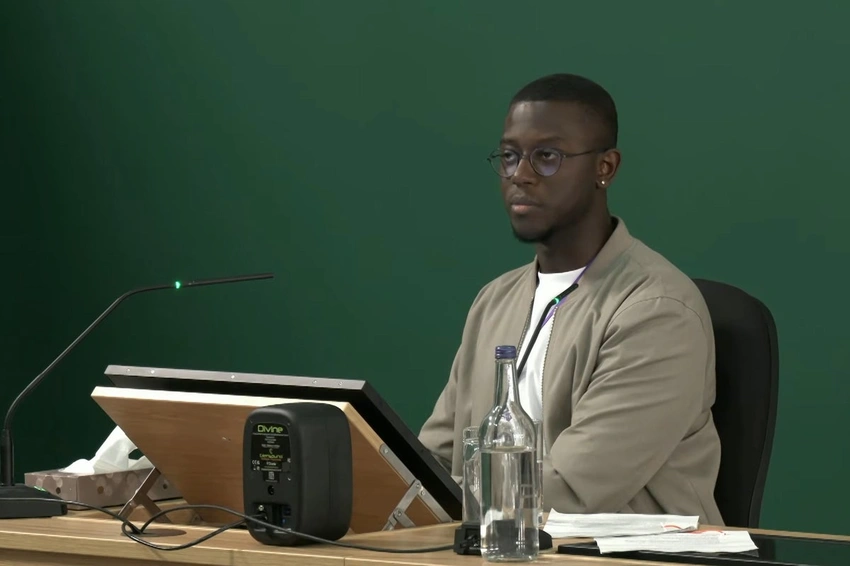
The inquiry also heard from Valdo’s brother, Elias Calocane, who testified that he believed Valdo’s text messages pointed to suicide, illustrating the family’s ongoing concerns and the complexity of interpreting risk signals. Valdo later went on to commit a deadly spree in June 2023, stabbing to death Barnaby Webber, Grace O’Malley-Kumar and Ian Coates and attempting to kill three others in Nottingham. He is currently under an indefinite hospital order in a high-security facility, with the inquiry examining how health and safeguarding services responded in the years leading up to the attack.
Celeste’s testimony underscores the broader issue facing families who must navigate a fragmented and hard-to-understand system in moments of crisis. Her account highlights the potential gaps in care that can have devastating consequences, and it raises questions about what changes are needed to prevent similar tragedies in the future. The inquiry continues to probe the timelines, diagnoses, and responses that shaped Valdo Calocane’s trajectory toward violence, while offering a window into the human impact behind the statistics.
