UN Experts: Epstein Files May Constitute Crimes Against Humanity

UN Experts: Epstein Files May Constitute Crimes Against Humanity
A UN panel says Epstein’s file releases reveal a global network abusing women on a scale that could meet crimes against humanity, prompting independent investigations.
Millions of files related to the late sex offender Jeffrey Epstein point to a global criminal enterprise that may have carried out acts meeting the legal threshold of crimes against humanity. A panel of independent experts appointed by the United Nations Human Rights Council described the crimes as taking place against a backdrop of supremacist beliefs, racism, corruption and extreme misogyny, with a commodification and dehumanisation of women and girls evident in the documents. The experts noted that more than 1,200 victims have been identified in the released materials and urged independent, thorough and impartial investigations, including inquiries into how such crimes could be committed for so long.
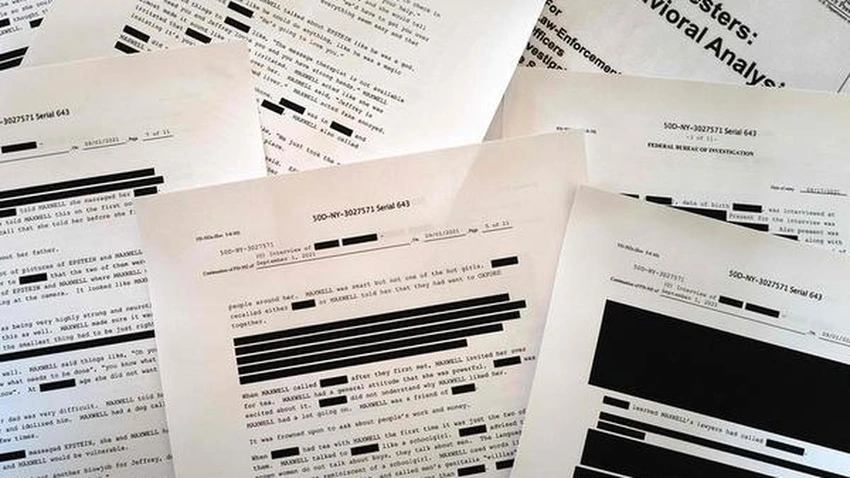
The release of Epstein-related files has been accompanied by concerns over serious compliance failures and botched redactions that exposed sensitive victim information. Authorities said a law approved by Congress requires all Epstein-related files to be made public, yet the expert panel emphasized the need for careful disclosures to protect survivors while pursuing accountability. In New Mexico, authorities approved a comprehensive probe into Epstein’s Zorro Ranch, underscoring the broad geographic reach of the alleged crimes and the ongoing scrutiny surrounding the network.
Survivors have described retraumatization and what experts call “institutional gaslighting” as the files surface, highlighting the urgency for transparent investigations that prioritize victims’ safety and dignity. The disclosures have also coincided with a wave of resignations and investigations involving several prominent figures connected to Epstein and his former associate Ghislaine Maxwell, illustrating how the revelations continue to ripple through public life.
Overall, the UN experts stressed that the scale, nature, systematic character and transnational reach of these acts may justify examining them under the crimes against humanity framework, and they called on governments and international bodies to keep scrutiny tight, independent and ongoing to prevent future harm and ensure victims receive justice.
