U.S.-Iran Peace Talks Stuck in Limbo as Negotiations Pause

U.S.-Iran Peace Talks Stuck in Limbo as Negotiations Pause
Iranian negotiator returns to Pakistan while the U.S. cancels a high-level trip, leaving peace talks in limbo and tensions around Hormuz simmering.
Tension and uncertainty define the latest phase of U.S.-Iran diplomacy, with an Iranian negotiator returning to Pakistan on Sunday as Washington abruptly scrapped a planned visit by its top negotiators. The move leaves direct talks in a state of pause, fueling concerns about whether a path to a broader agreement can still be found.
Analysts describe this moment as a limbo: no formal announcement of new talks, no clear timeline for a resumption, and a willingness on both sides to wait out the other’s pressure. The absence of visible progress raises the risk of broader regional instability and poses tough choices for policymakers in capitals around the world.
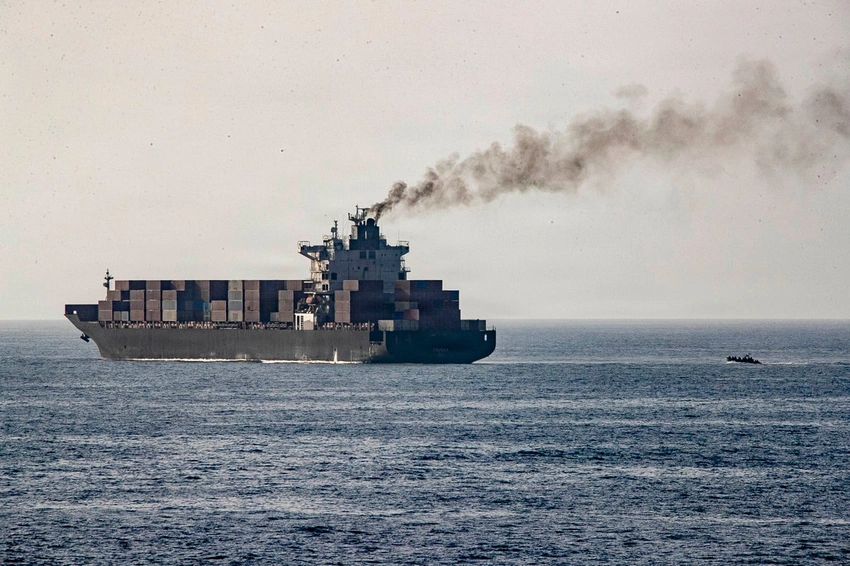
The geopolitical stakes extend well beyond ceremonial shifts in travel plans. The Strait of Hormuz, a critical artery for global energy, remains a focal point of leverage and risk. The ongoing blockade of Iranian ships by the U.S. has disrupted commerce and drawn sharp warnings about rising oil prices. Some experts estimate that Iran could be losing hundreds of millions of dollars daily due to the broader sanctions and the disruption of trade, underscoring the high price of stalled diplomacy.
Meanwhile, the strategic calculus is complicated by public statements from U.S. leadership. President Trump has framed the current moment as one where there is “no time pressure” to seal a deal, prioritizing what he calls a favorable outcome for Americans. On the military side, the Pentagon projects that mine clearance in the Strait could take roughly six months, suggesting that even with any future agreement, the region would face a prolonged period of heightened risk and economic ripple effects.
Experts caution that a protracted stalemate could have divergent consequences: it might hamper Western interests in the near term and empower hardline elements in Tehran, while a renewed round of diplomacy could still avert a broader crisis if talks resume with real concessions. For now, observers are watching whether behind-the-scenes channels hold and if a breakthrough emerges before the next regional flare-up.
