El Niño Threatens India's Economy Amidst Monsoon Deficit Warnings

El Niño Threatens India's Economy Amidst Monsoon Deficit Warnings
India faces economic challenges as El Niño looms, impacting monsoon rains, agricultural output, and rural incomes. Learn how this could fuel inflation and affect daily life.
India's economy is bracing for potential shocks as the threat of a 'super' El Niño intensifies, leading to a significant deficit in monsoon rainfall. After June saw a massive 40% shortfall, the India Meteorological Department (IMD) has now forecast that July will also experience “below normal” rainfall, defined as less than 94% of the usual for the month.
The IMD warned that inadequate rainfall poses substantial challenges across various sectors, including agriculture, water resources, hydropower generation, ecosystem sustainability, and even drinking water availability. This outlook follows a weak June, where rainfall measured only 99.5 mm against a long-period average of 165.3 mm, marking a nearly 40% reduction across all four meteorological subdivisions.
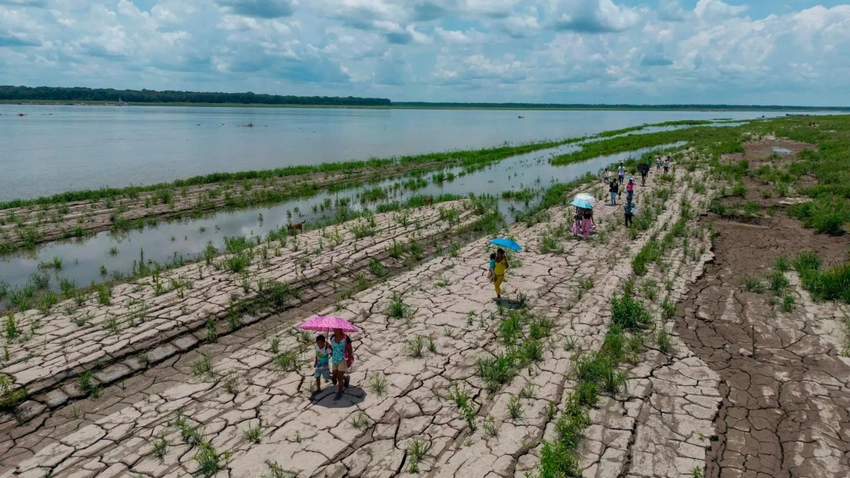
The Union Agriculture Minister, Shivraj Singh Chouhan, had already sounded the alarm on June 23, 2026, cautioning about the direct impact of a potential El Niño on Kharif crops, particularly in rainfed regions heavily reliant on monsoon showers. The World Meteorological Organization (WMO) has also highlighted the rapid development of El Niño during July-September, predicting an intensification of global extreme weather events, including heatwaves and droughts.
For India, a poor monsoon presents a triple threat to the economy. Firstly, it directly diminishes agricultural output, thereby reducing the sector's overall contribution to the nation's GDP. Secondly, it hits rural incomes hard, which in turn dents aggregate demand across the economy. Thirdly, and perhaps most critically for the common citizen, it threatens to push up food prices, triggering inflationary pressures that could impact household budgets nationwide. Current data already indicates a 23% reduction in overall acreage for Kharif crop sowing due to these conditions.
