Paris Blocks Export of La Pascaline, World’s Oldest Calculator

Paris Blocks Export of La Pascaline, World’s Oldest Calculator
Paris court halts export of La Pascaline amid calls to safeguard a 400-year-old calculating marvel from leaving France.
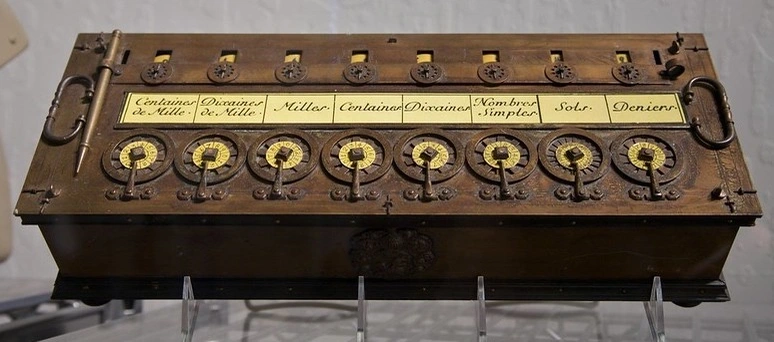
A Paris court provisionally blocked the export of La Pascaline, a 400-year-old calculating machine developed by Blaise Pascal in 1642, as scientists urged heritage protections. The move comes ahead of a planned auction by Christie’s, which has since confirmed that bidding will not proceed while the court ruling stands. The machine was valued at an estimated €2 to €3 million, and Christie’s described it as the most important scientific instrument ever offered at auction.
Scholars and researchers argued that La Pascaline should be protected as a national treasure, raising appeals to keep the historic device in France for study and display. The legal action highlights tensions between cultural patrimony and private sale, with protectors contending that the machine offers unique insight into the origins of computing.
La Pascaline was created when Pascal was around 19 years old, conceived to help his father perform calculations. As one of the earliest known calculating devices, its significance extends beyond a collector’s item; it marks a milestone in the development of mechanical computation. The court ruling is provisional and could be revisited, depending on future legal developments and further heritage considerations.
The case reflects a broader debate about preserving scientific and cultural artifacts within a country’s borders, potentially influencing how other historical instruments are protected or moved for private ownership or display.
