The Surprising Impact of Book Cover Design on Bestseller Success

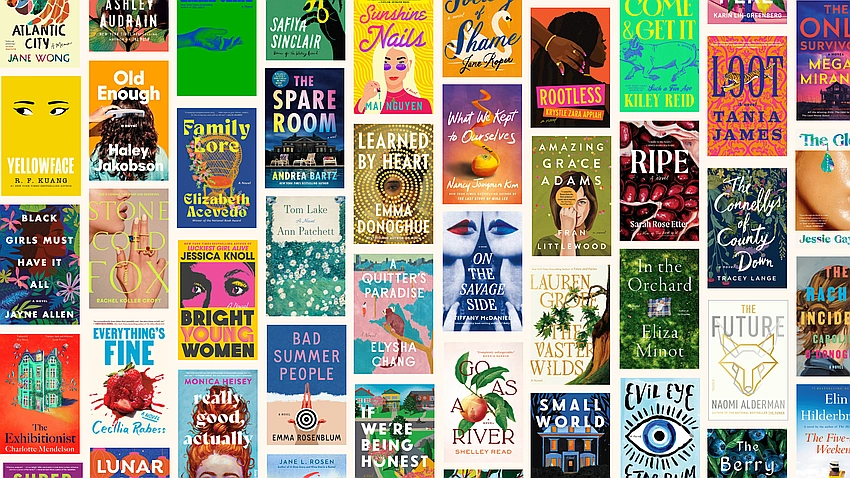
The Surprising Impact of Book Cover Design on Bestseller Success
The Surprising Impact of Book Cover Design on Bestseller Success
Discover how book covers signal genre, mood, and value—shaping what readers choose and how titles sell before a page is opened. From color and typography to cross-series branding, covers tell the story.
Why Book Covers Matter
We all judge books by their cover. Sure, we say we don’t but whether we do it intentionally or not, book covers have an impact on us. A lot of my friends have told me openly that they would prefer books that have attractive covers and are even willing to pay extra for them.
Design, Marketing, and Trends
A good cover can go a long way in terms of how a book is marketed. They quickly communicate genre, tone, and mood, influencing whether a potential reader picks up the book or scrolls past. Successful covers reduce marketing effort and increase emotional connection before a page is even opened. They often rely on specific visual "tricks" like colour, typography, imagery, and cultural aesthetic trends.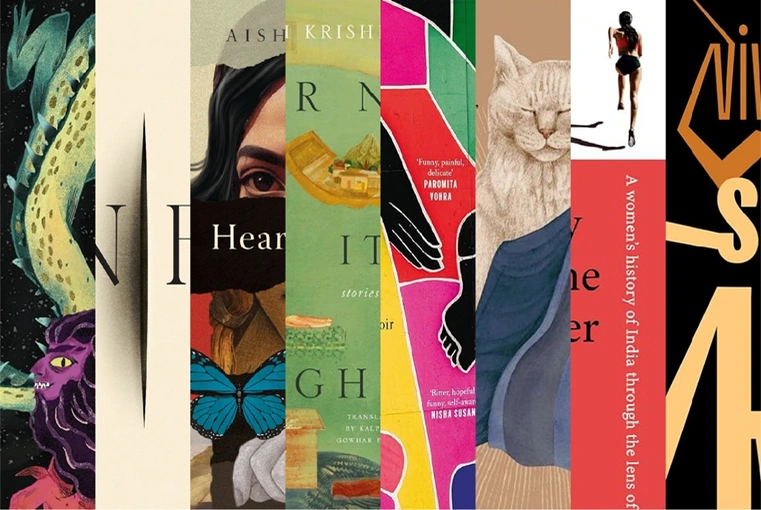
Covers adapt across formats and eras, what works on a printed bookshelf is evolving for digital thumbnails, social media trends, and genre expectations. A great cover can also build brand identity across an author's works or series. Redesigns can rejuvenate a book's sales or relevance with fresh audiences.
Lolita Example: Ethics and Impact
Take Lolita. One of the most controversial book covers. Initially released in 1955, it had a plain green cover with minimal design. The author Vladimir Nabokov himself rejected any potential designs because he wanted to avoid any sexual imagery.
However, over time, publishers began to feature young girls in suggestive poses, with heart shaped sunglasses on the cover even though these covers diverge from the novel’s actual narrative. But that didn’t matter to them, because these covers sold more copies.
Lolita covers show the challenge of balancing marketability with respectful and thematic representation. While some explicit covers sell more, they mislead readers about content and tone. Meanwhile, subtle or abstract covers would align better with literary merit but risk lower sales. The novel’s history underscores that cover design is not just aesthetic, it's an ongoing dialogue about ethics, cultural impact, and marketing.
#BookCovers #CoverDesign #BookMarketing #Typography #VisualStorytelling
