Iran-US ceasefire talks collapse in Islamabad after 21 hours

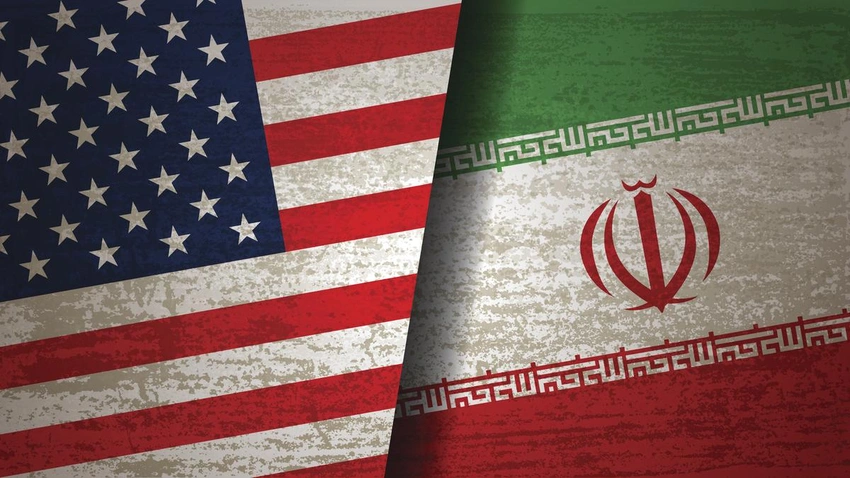
Iran-US ceasefire talks collapse in Islamabad after 21 hours
Islamabad talks end without a ceasefire as Tehran presses for sanctions relief and US concessions, signaling a stubborn stalemate but a willingness to continue discussions.
In Islamabad, 21 hours of high-stakes talks between the United States and Iran concluded without a ceasefire or a broader diplomatic framework. Key differences remain, especially over Iran's nuclear program and the conditions attached to any next steps. The session underscored how intertwined security concerns, sanctions relief, and the nuclear question are, making a quick resolution unlikely but keeping the door open for future discussions.
Iranian negotiators urged Washington to drop what they called 'excessive demands' and to recognize Tehran's rights as part of any future agreement. They argued that a path to de-escalation must include more favorable terms on sanctions and a credible signal that Iran's legitimate security concerns would be acknowledged. On the American side, officials emphasized the need for verifiable limits on Iran's nuclear activities and a staged approach to any easing of pressure.
Despite the setback, both sides signalled a willingness to resume dialogue in the coming days. Analysts describe the talks as high-stakes diplomacy with little room for rapid breakthroughs, but they noted that returning to the table in a city as symbolic as Islamabad reflects the seriousness with which both capitals treat the prospect of a negotiated pause in hostilities. Looking ahead, diplomats say the next rounds may grapple with the pace and scale of any ceasefire, the broader regional security implications, and the sanctions equation, all while navigating domestic political pressures on each side.
