SC strikes down key provisions of Tribunals Reforms Act

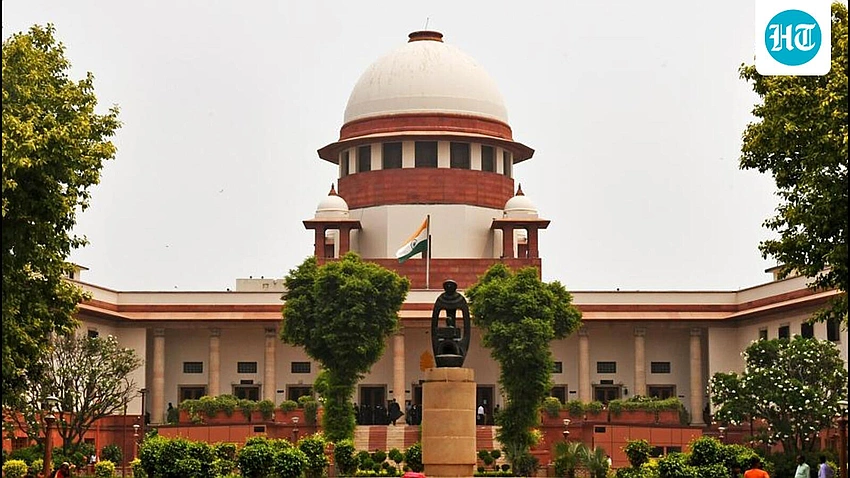
SC strikes down key provisions of Tribunals Reforms Act
The Supreme Court strikes down core provisions of the 2021 Tribunals Reforms Act, ruling that re-enactment with tweaks violated separation of powers.
New Delhi—The Supreme Court on Wednesday struck down several provisions of the 2021 Tribunals Reforms Act related to appointment, tenure, and service conditions of tribunal members, saying the Centre had re-enacted the clauses with only minor tweaks. A bench led by Chief Justice B R Gavai and Justice K Vinod Chandran held that the trimmed provisions violated the principles of separation of powers and judicial independence, and should not have been brought back. The court underscored that addressing case backlogs cannot be the sole responsibility of the judiciary, and the other arms of government must share the burden.
The judgment noted Parliament had sought to legislatively override binding judicial precedents by re-enacting provisions the court had previously struck down. In a careful comparison between the Ordinance and the 2021 Act, the bench observed that all provisions struck down, with minor tweaks, had been re-enacted again and thus could not stand. The decision reframed the dialogue around tribunal reform as a constitutional issue rather than a purely administrative one.
On the substance of tenure, the court restored earlier judicial directions: members of the Income Tax Appellate Tribunal and the Customs, Excise and Service Tax Appellate Tribunal would continue in service till 62, while chairpersons or presidents would remain until 65. The bench made clear that these tenure norms are part of the binding judgments that clearly cannot be displaced by new legislation. The court also said details of the full judgment were awaited as petitions challenging the constitutional validity of the Tribunals Reforms Act, 2021 were still under review.
The case also touched on the broader impact of reform measures that abolished several appellate bodies, including the Film Certification Appellate Tribunal. While the verdict fixed the core principle—limits on executive overrides—the broader reform program remains a matter of ongoing debate about efficiency, accountability, and the best way to manage tribunals in the years ahead.
As the courtroom battle over tribunal reform unfolds, the decision underscores the delicate balance between executive speed and judicial independence. For now, the Supreme Court's ruling preserves a framework in which tribunal members' tenure and service conditions remain anchored to precedents, while the question of how to tackle backlog continues to be a shared responsibility.
Cover image source: SC recalls order that halted retrospective green permits 🔗
