Tragedy Strikes Bedford: Driver Dies, Dozens Injured in Horrific Train Crash

Tragedy Strikes Bedford: Driver Dies, Dozens Injured in Horrific Train Crash
A devastating train collision near Bedford leaves a driver dead and 89 injured. As investigations begin into the cause, focus shifts from ownership debates to urgent safety questions. #TrainCrash #Bedford
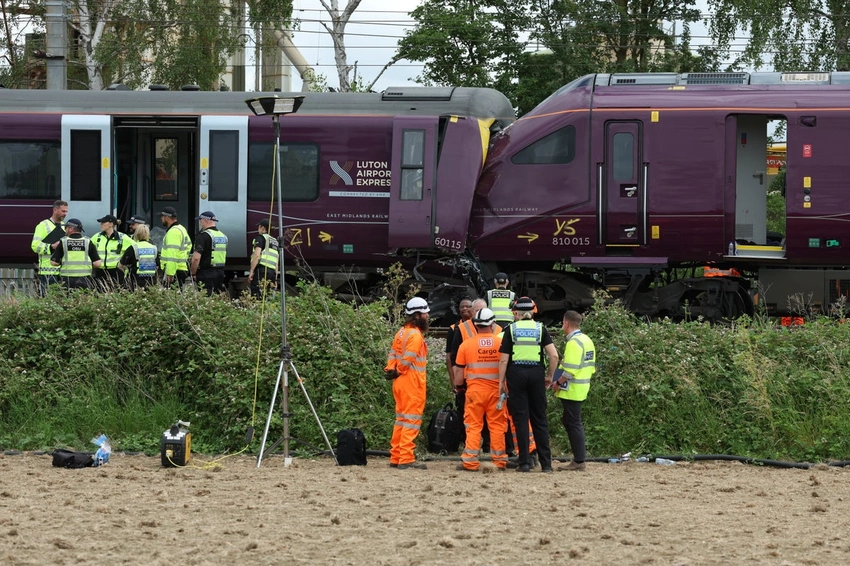
A devastating train collision near Bedford on Friday evening has sent shockwaves across the nation, resulting in the tragic death of a train driver and injuring 89 other individuals, with nine currently in critical condition. The incident, described as the worst in over two decades, has prompted an urgent and serious investigation into its causes.
Buckingham Palace confirmed that King Charles expressed his profound "thoughts and sympathies" to the family of the deceased and to all those affected by the horrific accident. The gravity of the situation calls for a thorough and meticulous inquiry, avoiding any premature conclusions.
A key focus for investigators will undoubtedly be the Train Protection and Warning System (TPWS). This crucial safety mechanism, implemented across the railway network following the 1999 Ladbroke Grove disaster, is designed to automatically stop trains if they pass a red signal. The central question will be why this system, which has a strong track record since its inception, seemingly failed to prevent the collision.
Amidst the immediate aftermath, there's been a call to steer clear of diverting the conversation towards the long-standing debate about public versus private ownership of railways. The trains involved were operated by East Midlands Railway, a private company whose contract was, ironically, due to expire in October, leading to its return to public ownership as per Labour's manifesto. However, the article argues that company ownership is irrelevant if the core problem lies with signalling and safety systems, which are managed by Network Rail – a publicly owned entity that took over from Railtrack. Historically, major parts of the rail infrastructure, such as tracks and stations, have predominantly remained in the public sector since the 1995 privatization.
Despite the severe nature of this incident, it's important to remember that rail travel generally maintains an exceptionally high safety record. Nevertheless, this tragedy underscores the critical importance of robust safety protocols and continuous vigilance in maintaining the integrity of our transportation networks.
