Band-Aid or Fix: Will Price Caps Save Us From the Energy Shock?

Band-Aid or Fix: Will Price Caps Save Us From the Energy Shock?
The Iran war has triggered a massive global energy crisis. Governments are slapping on price caps and releasing stockpiles. But are these quick fixes actually saving us, or just delaying an inevitable disaster?
The recent Iran war energy shock has thrown global markets into an absolute frenzy. With oil and gas supplies choked off, everyday citizens are feeling the burn at the pump and on their utility bills. Around the world, we are seeing some wild coping mechanisms. People are taking the stairs to save elevator power. Offices are relaxing dress codes so workers can wear short-sleeved shirts instead of cranking up the AC.
But while individuals do their part, the big question remains: what should governments do? Right now, the knee-jerk reaction for many political leaders is to step in heavily. We are seeing massive market interventions.
The Quick Fixes
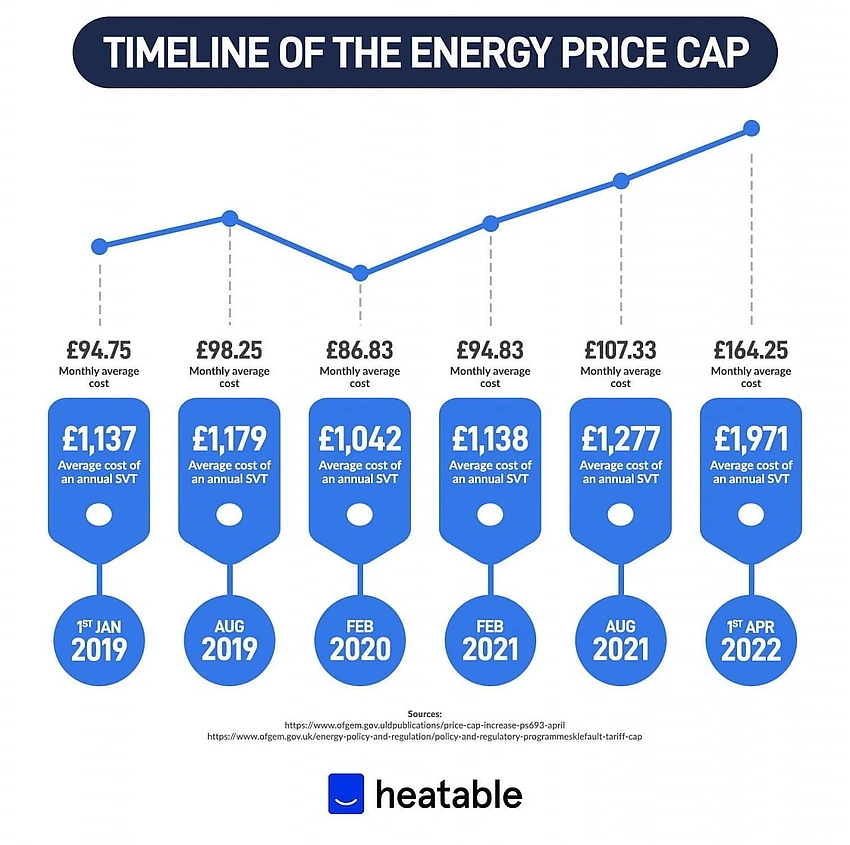
- Price Caps: Governments artificially limit how much companies can charge for energy.
- Strategic Stockpiles: Releasing millions of barrels of reserve oil to flood the market and stabilize prices.
At first glance, these moves look like a huge win for the working class. When a geopolitical conflict sends crude oil prices to the moon, a government mandated price cap feels like a protective shield. It stops immediate panic and keeps the lights on.
Why Interventions Fall Short
However, let us get real about what these policies actually achieve. Slapping a price limit on gasoline or electricity is essentially putting a bandage on a gaping wound. It treats the symptom but ignores the underlying disease.
If prices stay artificially low, people have zero financial incentive to cut back on their energy usage. Why take the stairs or turn off the AC when the government is footing the bill? Meanwhile, energy suppliers lose the incentive to produce more or find alternative supply chains because their profit margins are capped. This mismatch can lead to severe blackouts and shortages down the line.
Releasing stockpiles is equally shortsighted. National reserves are meant for catastrophic, short term emergencies. Burning through them to temporarily lower prices leaves a country incredibly vulnerable if the conflict drags on for months or years.
A Better Way Forward
Instead of market manipulation, governments should focus on targeted relief and long term resilience. 1. Targeted Aid: Give direct cash assistance to low income families who genuinely cannot afford the spike. 2. Infrastructure: Fast track investments into renewable energy so we are less reliant on foreign oil. 3. Efficiency: Incentivize structural efficiency, like better building insulation and accessible public transit.
Geopolitical conflicts are unpredictable. Instead of draining our reserves and pretending energy is cheap, we need to adapt to reality. It might mean a few sweaty days in short sleeves today, but it ensures we will not be left completely in the dark tomorrow.
