Yunus to Hold Referendum on July Charter Alongside Feb 2026 Elections

Yunus to Hold Referendum on July Charter Alongside Feb 2026 Elections
Interim leader Yunus unveils a nationwide referendum on the July Charter, aiming to reshape politics and cap prime ministerial terms ahead of Bangladesh's February 2026 polls.
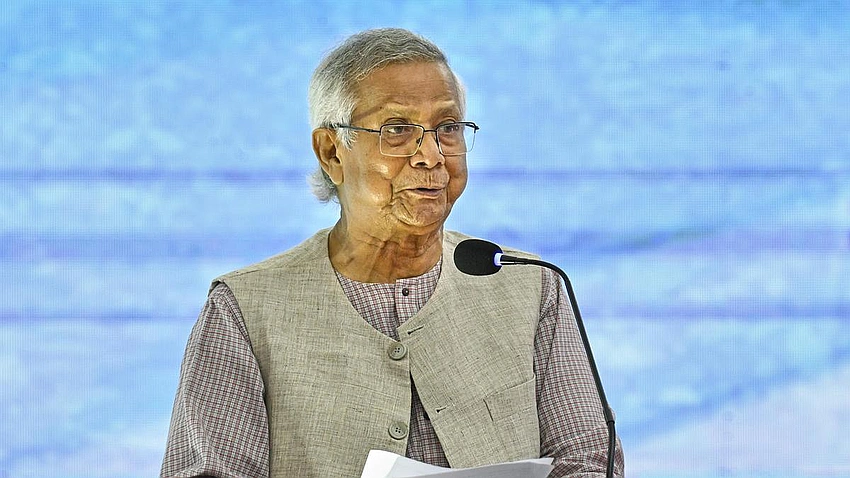
Bangladesh's interim leader Muhammad Yunus announced a national referendum on the July Charter to be held alongside parliamentary elections in February 2026. The reform package aims to reshape politics, introduce term limits for the prime minister, and expand rights for citizens. Supporters call it a democratic milestone that could recalibrate accountability and governance, while critics warn that its legal basis and long-term impact remain unclear.
The July Charter has its roots in a student uprising and is pitched as a constitutional overhaul designed to curb entrenched power and deepen democratic oversight. Yunus emphasized that the February vote would be free and fair, framing the referendum as a chance for Bangladeshis to decide whether the changes should become permanent features of the state. Supporters say the charter offers a necessary reset; opponents worry about legitimacy, implementation, and potential political manipulation.
The two-track plan—vote on the charter together with the elections—has intensified political debate as parties gear up for a high-stakes year. Analysts say turnout and public engagement will be key barometers of legitimacy, while legal scholars will scrutinize how the charter would fit within existing constitutional provisions. Critics argue the reforms could unsettle the balance of powers or create ambiguity in governance; backers insist the changes would strengthen rights and accountability.
As Bangladesh looks ahead to February 2026, the referendum adds a new layer to an already tense political landscape. Whether the ballots will deliver clear mandates or spark fresh disputes remains to be seen. What is clear is that the plan puts the spotlight on the country's trajectory—whether reforms will translate into tangible gains for citizens, and whether the process itself can withstand legal challenges and political realities.
Cover image source: Bangladesh to hold referendum on reform charter proposals: Muhammad Yunus 🔗
