Kurds Could Lead Iran War's Next Phase With U.S. Backing

Kurds Could Lead Iran War's Next Phase With U.S. Backing
As tensions surge, Kurdish fighters in northern Iraq eye cross-border involvement in Iran, a move that could reshape a widening conflict with U.S. support.
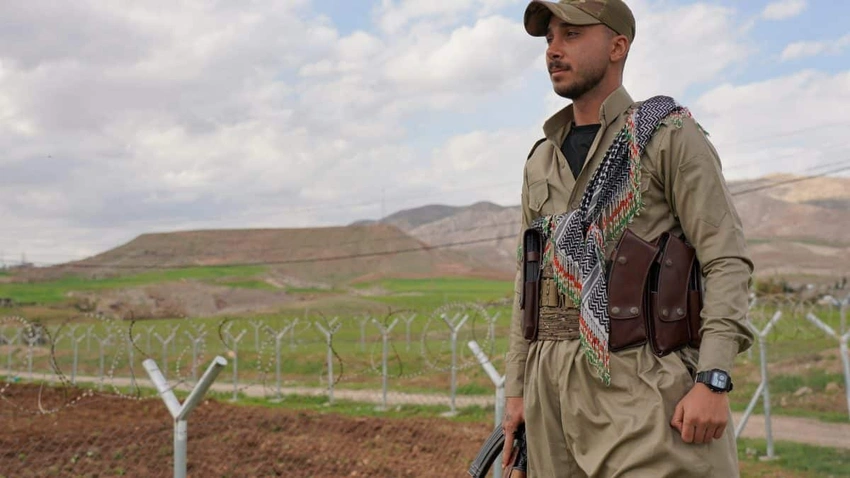
As the war in West Asia intensifies, Kurdish fighters have emerged as a pivotal and unpredictable factor in projecting the next phase of the conflict. In northern Iraq, where many Kurdish groups operate from exile or semi-autonomous bases, thousands of battle-hardened fighters may be prepared for a cross-border operation into Iran, with the backing of the United States. Iranian forces have already targeted Kurdish opposition groups amid a flurry of strikes following broader US and Israeli actions over the weekend. The situation places Kurdish factions at a crossroads: some see an opportunity to pressure Tehran, while others worry that any move could complicate regional stability and pull Iraq deeper into a broader confrontation.
Who are the Kurds, and why are they relevant now? The Kurds number about 30 million and are one of the world’s largest ethnic groups without a state. They live across Turkey, Iraq, Iran, and Syria, speaking Kurdish in several dialects and predominantly following Sunni Islam. They have long sought an independent homeland, with semi-autonomous governance in northern Iraq and prior influence across parts of northeastern Syria. The current moment rekindles questions about Kurdish unity and strategy: would Kurdish groups cooperate with Washington in a broader push against Iran, or would they tread carefully to avoid becoming pawns in a higher-stakes regional struggle?
The potential cross-border maneuver has immediate consequences for Iraq’s own security calculus. If Kurdish fighters join a sanctioned or tacitly supported operation inside Iran, it could widen the conflict and bring Iraqi soil more directly into the line of fire. Some Kurdish officials in the region have signaled readiness to engage, underscoring a simultaneous desire for security guarantees and political autonomy that many Kurdish leaders have championed for years. At the same time, the United States’ history with Kurdish movements is mixed, and partners in the region are weighing the risks of renewed clashes that could spill into towns and economic hubs, complicating humanitarian needs and civilian safety.
The broader geopolitical stakes are clear. Iran has warned of consequences for any external interference as Tehran consolidates its position in West Asia, while regional powers watch closely to see whether Washington’s support translates into tangible gains on the ground. As Kurdish fighters train near key Kurdish urban centers—most notably around Erbil—their readiness to move could alter the tempo of the conflict and redefine the possible contours of any settlement, no matter how distant it may seem. Observers caution that any escalation would carry heavy costs for civilians and could redraw alliances in a region already wracked by volatility, but they also acknowledge that the Kurds' strategic leverage remains a constant variable in a rapidly shifting battlefield.

Login to comment.
No thots yet. Be the first to share your thoughts!