Degrees vs. Drive: What Really Fuels Digital Age Success?

Degrees vs. Drive: What Really Fuels Digital Age Success?
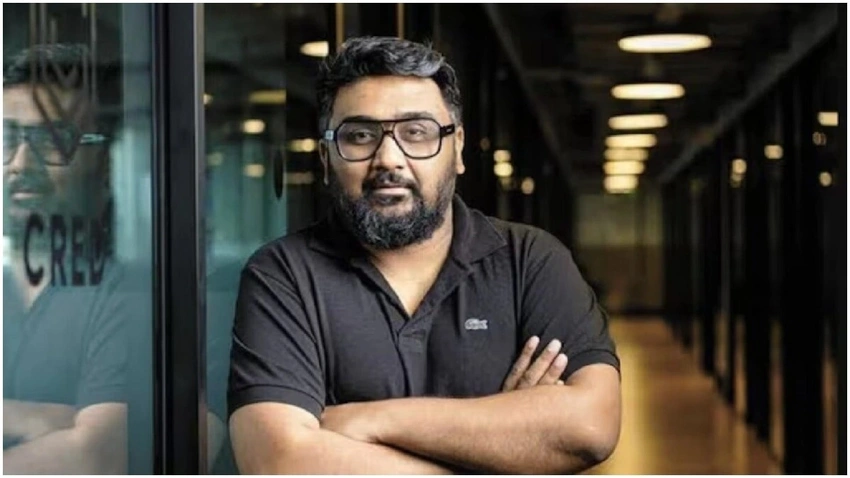
Kunal Shah, now global head of WhatsApp, never finished his MBA, holding a BA in Philosophy. Does his journey prove formal degrees are overrated in today's tech world?
The narrative around career success in the digital age is evolving rapidly, challenging long-held beliefs about what it takes to reach the top. For decades, the roadmap to an impactful career, especially in technology and entrepreneurship, seemed paved with engineering degrees, IIT credentials, or a coveted MBA from a prestigious institution.
Yet, the rise of figures like Kunal Shah, now global head of WhatsApp, offers a compelling counter-story that demands our attention.
Shah's journey is a fascinating case study. Far from the conventional tech executive profile, he holds a Bachelor's degree in Philosophy from Mumbai's Wilson College.
He even enrolled in an MBA program at NMIMS, but ultimately chose not to complete it.
It's a story about a different kind of education, a different kind of drive, ultimately leading him to helm a platform as massive as WhatsApp after founding the incredibly successful CRED.
This challenges the established wisdom that pedigree alone dictates potential. The buzz isn't about his business acumen, which is undeniable, but about the educational path he took. It sparks a crucial question: Do traditional degrees still hold the same weight in an era where innovation, adaptability, and continuous learning are paramount?
As one astute observer, Deepak Jha, put it:
Knowledge isn't stored in a degree. A degree may teach you a subject, but curiosity is what drives continuous learning and creates exceptional outcomes.
He further clarified that Shah's success wasn't due to a lack of formal education, but because he kept learning beyond it. This isn't to say degrees are obsolete.
They offer foundational knowledge, structured thinking, and networking opportunities.
But they are no longer the sole gatekeepers of opportunity.
In the digital age, the pace of change is relentless. Skills learned today can be outdated tomorrow. What truly differentiates leaders and innovators is not just a certificate, but the ingrained habit of curiosity, the ability to pivot, and the drive to acquire new knowledge independently.
Companies are increasingly valuing demonstrable skills, practical experience, and a growth mindset over a perfect academic transcript.
Kunal Shah's trajectory underscores a vital truth: while degrees can open doors, it's often what you do after and beyond those degrees that truly defines your professional journey.
It's about leveraging your innate curiosity, embracing self-directed learning, and continuously evolving in a dynamic landscape.
For Gen Z and future generations, this suggests a more liberating and personalized approach to career development.
Your career path in the digital age is less about what you have learned, and more about what you can learn and will learn.
