Parliament on the Verge of History as Modi Pushes Women's Reservation Bill

Parliament on the Verge of History as Modi Pushes Women's Reservation Bill
PM Modi calls the bill one of the 21st century's biggest decisions, a historic step toward Nari Shakti and social justice becoming governance culture.
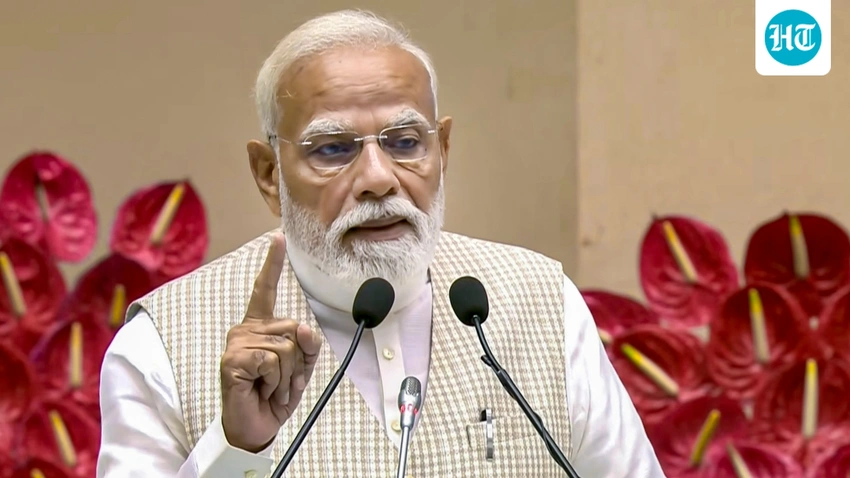
Prime Minister Narendra Modi said India is on the cusp of one of the biggest decisions of the 21st century, describing the proposed women’s reservation legislation as a historic step dedicated to Nari Shakti. Speaking at the Nari Shakti Vandan Sammelan at Vigyan Bhawan in New Delhi, Modi framed the move as a turning point that would turn past visions into present reality and embed social justice at the heart of governance and decision-making.
He stressed that the bill is aimed at empowering women and ending decades of waiting as Parliament nears the moment of truth. “Our Parliament is close to creating a new history,” Modi said, detailing a pledge that social justice should be more than a slogan and should shape daily work culture and policy choices. He described the vote as a resolution for an India that is egalitarian, where decision-making increasingly reflects women’s power and where social justice becomes a natural part of governance.
The remarks come as Parliament prepares to take up amendments to the women’s reservation law, with leaders from multiple sides watching closely as discussions and potential passage approach. The push aligns with broader demands from opposition and supporters who see the quota as essential for gender representation and social equity, while noting the political complexities of implementing such a reform.
Dates noted by Modi—April 16, 17 and 18—frame the immediate parliamentary window as lawmakers hurry to chart a path on a law that supporters say is fundamental to social justice and women’s empowerment.
