Timmy the Whale Freed After Elaborate North Sea Rescue

Timmy the Whale Freed After Elaborate North Sea Rescue
A humpback whale nicknamed Timmy is released back into the North Sea after weeks stranded off Germany, in a bold rescue that sparked cheers and scientific caution.
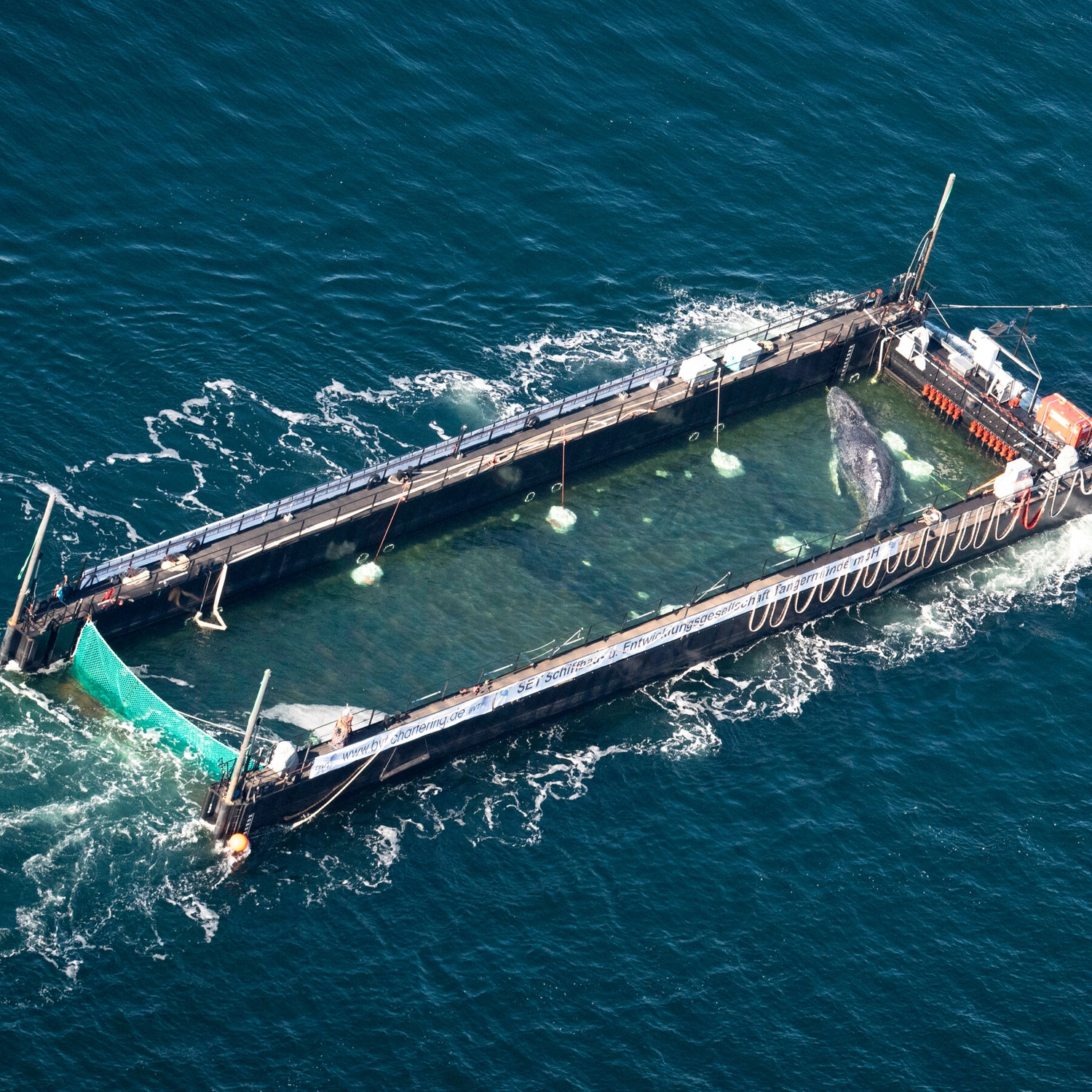
For weeks, a humpback named Timmy remained stranded in shallow waters along Germany’s coast, drawing curiosity and concern from residents and wildlife volunteers alike. A carefully choreographed rescue finally moved Timmy from the danger zone onto a purpose-built barge, a step that allowed rescuers to begin the journey toward deeper, safer waters. Crowds gathered on beaches and piers, their cheers mixing with the hum of equipment as the operation unfolded with meticulous precision. The scene was tense but hopeful, underlining how coordinated efforts can hinge on patience, expertise, and respect for a wild animal’s welfare.
A team of veterinarians and coordinators monitored Timmy’s vitals throughout the move, mindful of the stress even a well-intentioned intervention can create. The barge, equipped to support the whale during transfer, was guided by tug boats and support vessels to the open North Sea. While moving a distressed creature carries inherent risks, authorities stressed that the goal was to return Timmy to the sea where he could swim and feed with fewer human pressures. The plan emphasized minimizing handling, ensuring Timmy’s comfort, and allowing natural behavior to resume once in deeper waters.
Witnesses described a moment of relief as Timmy settled onto the deeper waters beyond the shoreline. After the initial transfer, observers noted Timmy began to orient himself toward free swimming, a sign that the recovery process might be underway rather than a one-off rescue. While the outcome remains to be seen in the longer term, the successful relocation marked a rare instance of hands-on wildlife intervention that aimed to balance human responsibility with animal welfare.
Experts have long debated the ethics and safety of intervening in wild animal crises. In Timmy’s case, supporters argue that a timely move could reduce the risk of entanglement, injury, or prolonged distress, while skeptics caution that such actions can provoke stress responses. The resolution—Timmy’s release into the North Sea—appears to have tipped the balance toward a hopeful path, at least in the immediate aftermath. Wildlife teams will continue to monitor Timmy from a distance, ready to respond if further care is needed as the humpback resumes its natural migratory habits.
Ultimately, Timmy’s rescue has captivated the country, reminding people of the delicate dance between human intervention and wildlife autonomy. The story stands as a testament to careful planning, cross-border cooperation, and the enduring curiosity of those who follow coastal creatures in peril. As Timmy begins her new chapter in the North Sea, conservationists hope it signals a model for future rehabilitations that prioritize both safety and the opportunity for wild animals to thrive.
