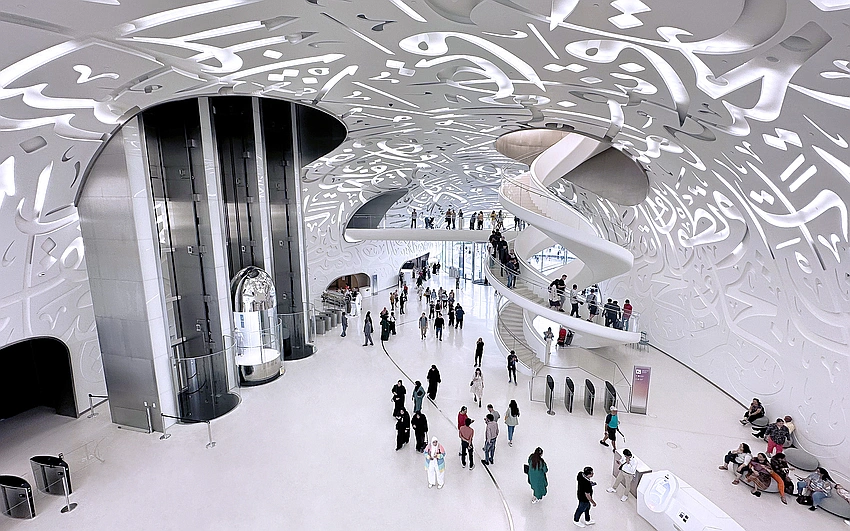
Museums: Billionaire Handout or Public Trust? The Future of Art

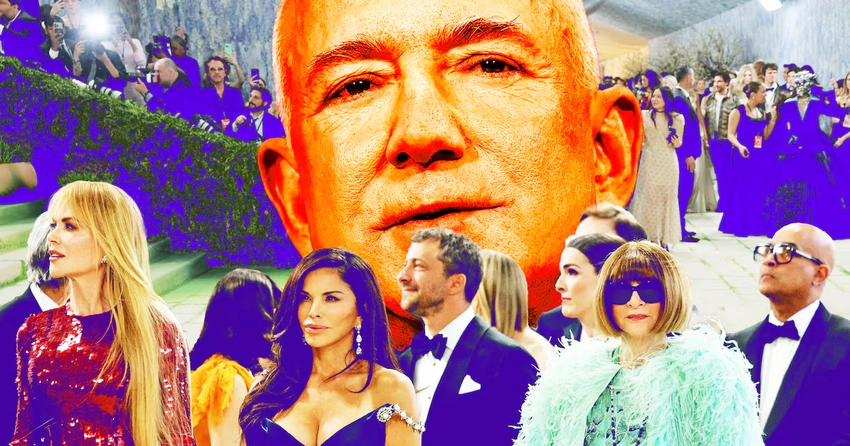
Museums: Billionaire Handout or Public Trust? The Future of Art
Are art museums sacrificing their soul for donor dollars? This piece explores the ethical tightrope of billionaire philanthropy and unveils radical new models for cultural institutions...
Is the art museum, as we know it, at a crossroads? For generations, these venerable institutions have been custodians of culture, yet their very existence often hinges on the generosity of a select few. The increasing reliance on billionaire philanthropy sparks a crucial debate: can museums uphold their cultural mission while financially beholden to private interests?
Or does this patronage risk turning public spaces into monuments to individual wealth, potentially compromising artistic integrity and accessibility?
The Golden Handcuffs of Philanthropy
Historically, art museums have always had patrons, from royal courts to industrial magnates. The modern iteration, however, often sees colossal donations from the ultra-wealthy, who, while enabling ambitious exhibitions and grand expansions, sometimes come with strings attached, whether overt or implied.
This can range from naming rights that overshadow the art itself to influencing acquisition policies or programming to align with personal tastes or political agendas.
Critics argue this 'art washing' allows the wealthy to polish their public image while diverting attention from less ethical business practices, creating an uncomfortable ethical dilemma for institutions meant to serve the public good.
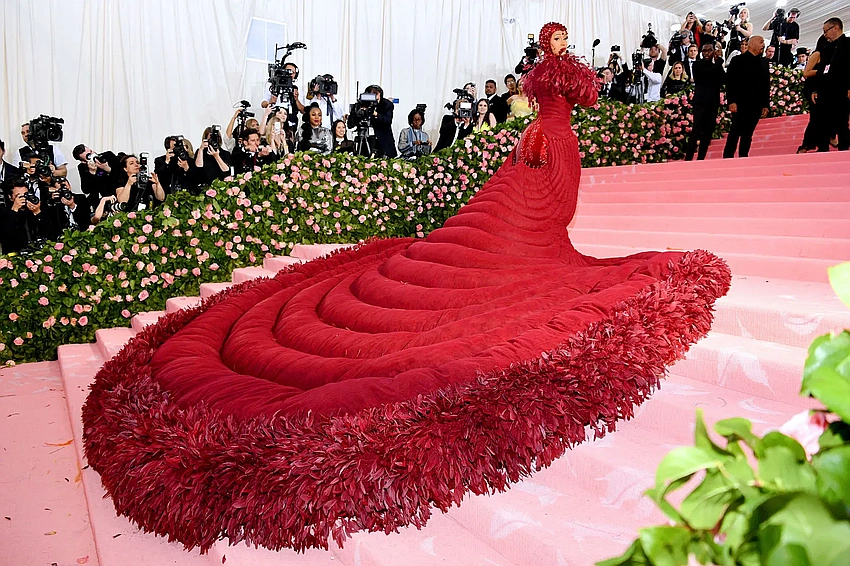
Beyond the Billionaire Benefactor
The question then becomes: what are the alternatives? State funding, once a robust model in many European nations, offers independence but is often subject to political whims and budget cuts. Yet, its public-service ethos aligns closely with the museum's mission.
The search for genuinely independent and community-aligned models has led to exciting propositions. Imagine community-owned museums , where local residents have a real stake and say in the collection, exhibitions, and educational programming. This model fosters a deeper sense of belonging and relevance, ensuring the museum truly reflects and serves its immediate environment.
Even more radical are the emerging concepts of Decentralized Autonomous Museums (DAMs) . Leveraging blockchain technology and Web3 principles, DAMs could be governed by their community members, token holders who vote on key decisions, from acquisitions to governance, effectively distributing power and ownership. This move towards 'de-patronage' could transform cultural property from an elite domain to a genuinely public, democratic resource.
“The true value of a cultural institution lies not in the wealth it attracts, but in the breadth of voices it amplifies and the diversity of publics it serves.”
 Charting a New Ethical Course
The conversation about museum funding isn't just about economics; it's profoundly ethical. It challenges us to redefine the very purpose of a museum in the 21st century. Is it a vault for treasures, a research hub, an educational platform, or a community space?
To truly be a “Museum of the Future,” institutions must proactively seek diverse, sustainable funding models that align with their public mission. This includes exploring hybrid models of public funding, diverse grant applications, membership programs, and even micro-donations from a broad base.
Embracing new technologies and participatory governance could create resilient, relevant, and truly public institutions that are beholden not to a single benefactor, but to the collective cultural heritage they preserve and present.
The path forward demands courage and innovation. It’s time to move beyond dependency and forge a future where cultural property is genuinely accessible, equitable, and ethically stewarded for all.