German Chancellor Merz Under Fire After Election Losses & Far-Right Surge

German Chancellor Merz Under Fire After Election Losses & Far-Right Surge
German Chancellor Friedrich Merz is under immense pressure after his party's historic election losses. The far-right AfD surges, raising questions about Germany's political future. Dive into the crisis now!
German Chancellor Friedrich Merz is facing intense scrutiny and mounting pressure after his Christian Democratic Union (CDU) party suffered historic defeats in recent state elections. Less than a year and a half into his tenure, Merz's leadership is being questioned as the far-right Alternative für Deutschland (AfD) continues its alarming ascent, securing unprecedented electoral strength.
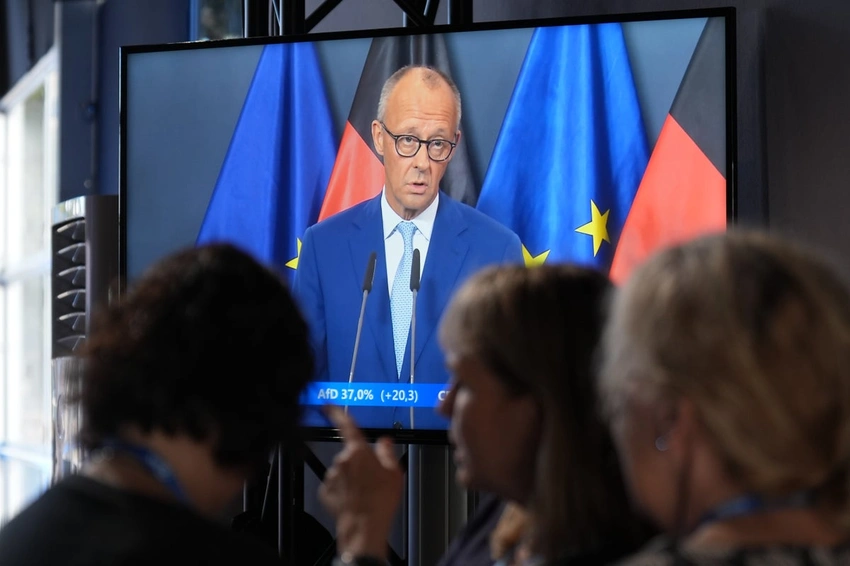
The CDU experienced a night of profound humiliation, particularly in the eastern state of Mecklenburg-Western Pomerania, where the AfD secured a significant 38% of the vote. This victory marked the AfD's second regional election win this month. In stark contrast, the CDU recorded its worst result since the second world war, failing to even meet the 5% threshold required for representation in the state parliament.
This outcome is a major blow, especially considering Merz had promised to counter the AfD's threat upon taking leadership. Further complicating matters, the CDU also lost control of the mayoralty in Berlin, finishing second behind the radical Left party, which successfully campaigned on tackling the capital's escalating housing crisis.
These significant reverses have triggered widespread speculation about Merz's political future.
Despite the setbacks, Merz remains defiant, insisting his coalition government is "determined to live up to the historic responsibilities our country is facing" and dismissing calls for his resignation. However, the path forward appears fraught with challenges. Germany's eastern regions, grappling with depopulation and persistent inequalities compared to the west, have proven particularly susceptible to the rise of far-right movements.
Compounding this, the nation's powerhouse economy is struggling with global competition from China and US protectionism, coupled with a severe cost of living crisis. This confluence of factors has fueled nationwide disillusionment, further exacerbated by Chancellor Merz's perceived abrasive style and "tough love" policies, which include proposals to raise the retirement age, cut health insurance benefits, and make claiming sick leave more difficult.
His personal approval ratings currently hover at a record low of around 13%.
Critics argue that Merz's strategy to combat the AfD by mirroring their draconian stances on immigration has backfired.
Instead, it is the government's failure to address a crisis in living standards and widespread economic insecurity that is allowing the far right to capitalize on a growing protest vote.
While constitutional hurdles and the current polling status of coalition partners (CDU and SPD) suggest Merz may retain his post, a radical shift in political direction is urgently needed to revive the government's fortunes and defend Germany's democratic future. #GermanElections #AfD #MerzCrisis
