Charges filed in Baltimore Key Bridge collapse that killed six

Charges filed in Baltimore Key Bridge collapse that killed six
Criminal charges accuse the shipowner of concealing hazardous conditions linked to the Baltimore Key Bridge crash that killed six workers.
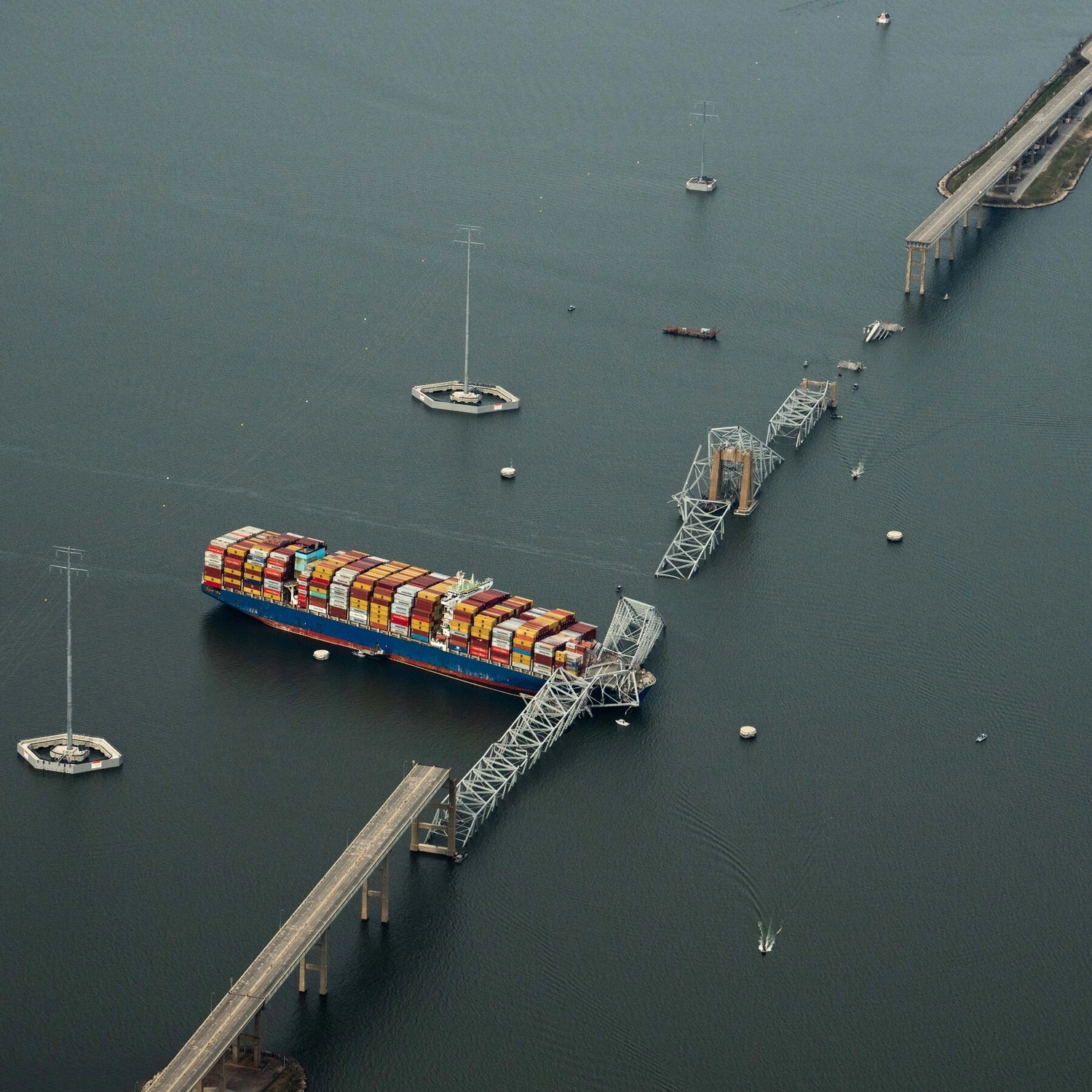
Federal prosecutors have charged the operator of the cargo ship that struck Baltimore’s Francis Scott Key Bridge, the crash that killed six workers more than two years ago. The collision damaged the bridge over the Patapsco River and set in motion a legal and safety firestorm that continues to shape how the maritime industry handles risk. Investigators have long scrutinized the ship’s actions in the moments before and after the wreck, as crews worked to stabilize traffic and assess structural damage under intense public attention. The charges mark a major step in the case, signaling that officials believe there were substantial failures in judgment and reporting related to a known hazardous condition.
According to court filings, prosecutors accuse the shipowner of conspiring with others to conceal risks and of wilfully failing to immediately inform the U.S. Coast Guard about a hazardous condition that could endanger people. The indictment also includes obstruction of an agency proceeding and making false statements to investigators. Taken together, the accusations portray a deliberate attempt to downplay danger and to mislead regulators at a time when swift and clear communication is essential for safety and accountability in busy harbor operations.
The case is part of a broader legal fallout from the crash, with parallel civil actions and regulatory reviews examining how large vessels traverse crowded waterways and how quickly authorities respond to emerging hazards. The allegations touch on international connections, as some parties named in related reporting operate overseas, underscoring the global nature of modern shipping and the cross-border responsibilities of shipowners and managers.
Legal experts say the outcome could influence industry practices around hazard reporting, crew training, and corporate oversight. If proven, the charges would reinforce the message that delays or deception in the face of danger carry serious consequences. Families of the victims and workers who survived the incident will follow the proceedings closely, hoping for a verdict that reflects the gravity of the loss and the need for accountability.
