UK Borrowing Soars: New Chancellor Healey Faces Fiscal Challenge!

UK Borrowing Soars: New Chancellor Healey Faces Fiscal Challenge!
Government borrowing unexpectedly jumped to £1.8 billion in July, presenting a major challenge for Chancellor John Healey's upcoming Budget. What does this mean for the UK economy?
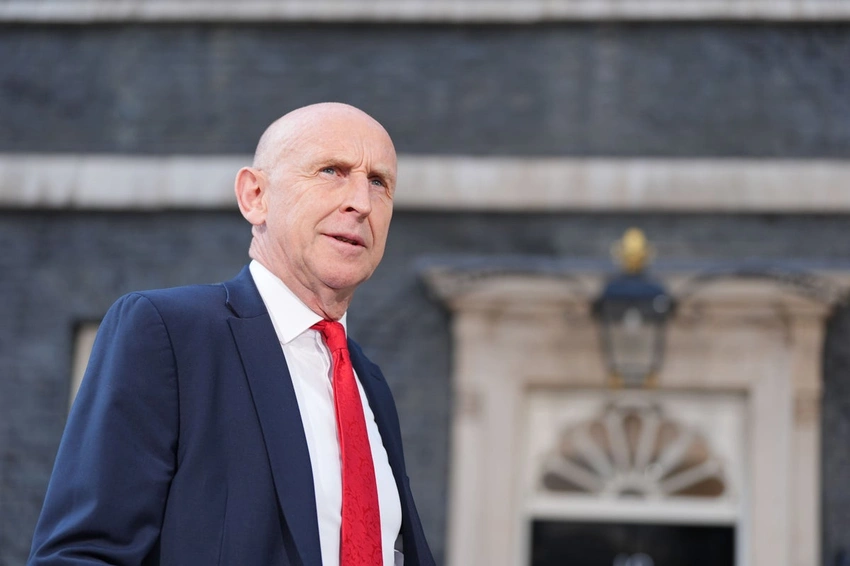
The UK government faces a significant financial hurdle as new Chancellor John Healey prepares for his first Budget. Official figures reveal that government borrowing unexpectedly surged to £1.8 billion in July, marking a substantial increase of £700 million, or 68.7%, compared to the same month last year. This figure defied forecasts, with most economists having anticipated zero borrowing and the independent Office for Budget Responsibility (OBR) predicting a £500 million surplus.
This unexpected jump occurred despite July being a record-breaking month for income tax receipts, traditionally a strong period due to the second payment deadline for self-assessment. For the first four months of the financial year, total borrowing reached £56.7 billion. While this amount is £6 billion less than the previous year, it still exceeds the OBR's forecast, signaling ongoing fiscal pressure. The nation's total debt now stands at a mammoth £2.985 trillion, or 94.1% of gross domestic product (GDP), inching closer to the £3 trillion milestone.
Chancellor John Healey is set to deliver his inaugural Budget on October 28, and these figures highlight the "fiscal headache" he confronts. Mr. Healey stated, "Fiscal discipline is the bedrock of our UK economic stability and national security, which is why we are committed to meeting our fiscal rules, with a buffer against global uncertainties." He also emphasized efforts to cut the deficit faster than any other G7 economy, provide cost-of-living relief, and support youth employment.
These economic revelations follow recent comments from Prime Minister Andy Burnham, who indicated a shift in responsibilities. A new Manchester-based satellite office of Downing Street will reportedly oversee economic growth, while the Treasury will focus solely on controlling public finances. Burnham suggested in an interview that the Treasury's previous dual mandate of managing both growth and public finances had hampered its effectiveness in either area.
