Delhi hits severe smog as flights canceled and GRAP Stage IV activated

Delhi hits severe smog as flights canceled and GRAP Stage IV activated
Delhi hits severe smog as flights canceled and GRAP Stage IV activated
Severe air quality forces Stage IV GRAP in Delhi, crippling travel with hundreds of flight cancellations as smog blankets the city.
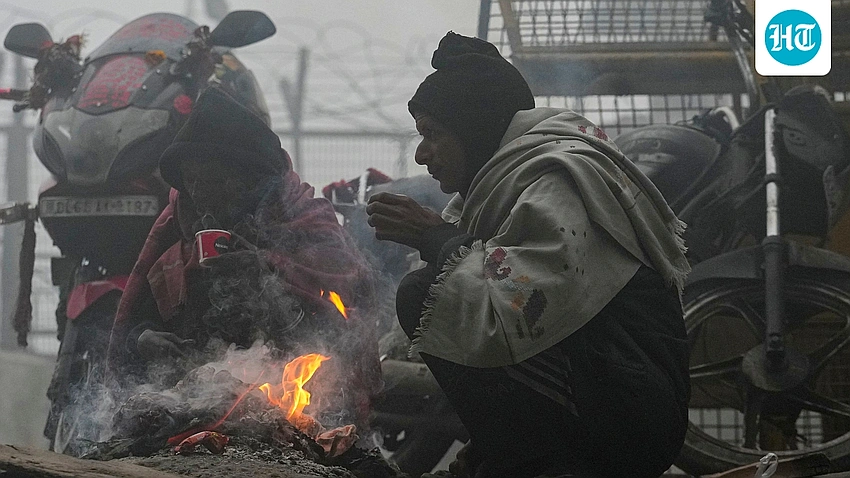
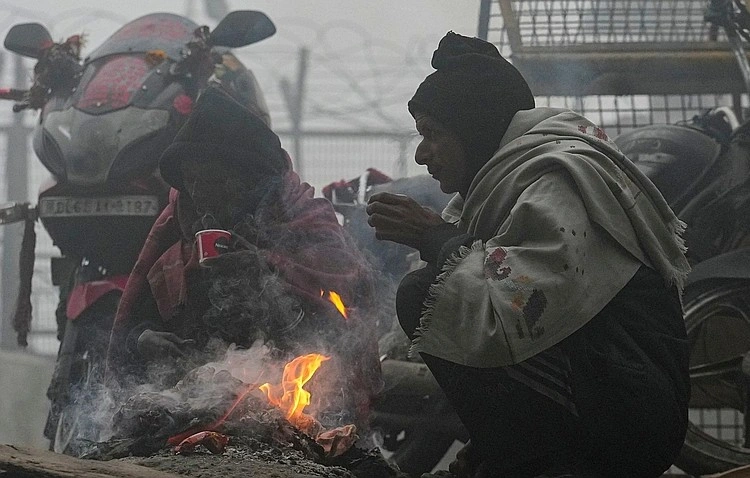
Delhi woke to a pall of thick smog as the city’s air quality index surged into the very poor and severe categories in several neighborhoods. The authorities activated Stage IV of GRAP, triggering a tightening of anti-pollution measures and a chorus of public advisories to stay indoors, close windows, and avoid outdoor activity. For residents, the morning light carried a hazy orange tint, and the city’s typical bustle gave way to a cautious rhythm as commuters checked travel plans and schools debated late openings or closures.
Travel disruption was immediate and widespread. At airports and major rail hubs, visibility dropped to levels that forced cancellations and delays across a broad swath of services. Across the day, more than 500 flights were delayed and 138 were cancelled due to drastically reduced visibility, sending travelers scrambling for alternatives and straining airline operations. Trains were not spared, with dozens of services getting off schedule as the dense fog limited traction on key routes.
Officials described the conditions as the worst in months, with the city’s average AQI hovering near the 398 mark in some pockets and the broader range around 384, placing Delhi in the upper end of the 'very poor' and edging toward 'severe' air quality. An orange alert for dense fog added to the misery, signaling heightened risk for motorists and outdoor workers. The confluence of pollution and fog meant that even ordinary outdoor routines—walks to the corner store, commutes, and school runs—required extra caution.
City leaders urged residents to limit outdoor activity, wear protective masks when stepping outside, keep windows closed, and stay hydrated. Travel advisories advised passengers to check with airlines and rail operators before heading out, and businesses prepared for a day of slower operations. The disruption underscored the vulnerability of urban transport networks to weather-induced visibility and the seasonal pollution spike that tends to tighten its grip during winter.
As Delhi braces for ongoing hazy conditions, the situation is prompting renewed calls for policy action and long-term pollution controls. For now, drivers, flyers, and office workers navigate a city slowed by smoke and fog, hoping for clearer skies in the days ahead.
