From CPNs to BookTok: Is Digital-First Literature Changing Reading Forever?

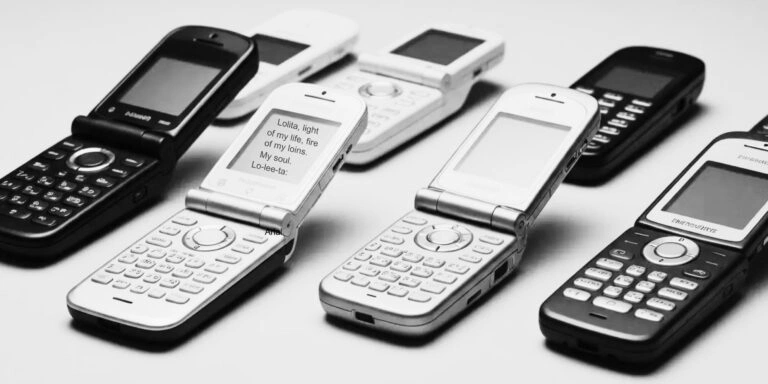
From CPNs to BookTok: Is Digital-First Literature Changing Reading Forever?
Remember the cell phone novel craze in early 2000s Japan? We're seeing history repeat itself. Explore how short-form digital content is reshaping our literary world, from how we read to what we love.
The Digital Evolution of Storytelling: A Revolution, Not Ruin
Remember the early aughts? That brief, blissful moment when technology felt like pure potential, when a digital revolution promised personal revelation? Suddenly, anyone with a boxy device could tap into a worldwide web of connection.
In Japan, this quickly led to cell phones becoming ubiquitous. By 2004, NTT DoCoMo offered unlimited text-messaging at a flat monthly rate, and before you could say “Pandora's box,” a new literary phenomenon was buzzing in everyone's pocket: the cell phone novel.
It was a distinctly early aughts moral panic. Cell phone novels, or CPNs, were serialized, short-form, pseudo-poetic melodramas crafted for a digital audience.
Imagine stories told in chapters no longer than an SMS message, with writers working within 70-100 words per installment.
That's right - around 100 words per chapter. This extreme brevity, coupled with carte blanche on arrangement, meant line breaks and ellipses did some serious heavy lifting, creating something visually akin to a haiku, yet packed with the punch of an overstuffed soap opera. These bite-sized narratives proved that meaningful stories could thrive in fractional bandwidth.
Fast forward to today, and we're seeing a striking parallel with the rise of “BookTok” and other digital-first literature. The same questions, the same moral panics, are resurfacing. Is this new wave of content destroying literature?
Or is it simply evolving it? I'd argue it's a profound shift in both how we read and what we read, reflecting an ongoing adaptation to our digital lives.
The CPNs of yesteryear and the TikTok narratives of today share a common thread: they embrace brevity, serialisation, and a direct, often intimate connection with the reader. They prioritize accessibility and immediate gratification. It's fundamentally altering our reading habits.
We're becoming accustomed to stories delivered in digestible, scrollable segments, often accompanied by visual or auditory elements. The deep dive into a lengthy tome is still cherished, but now it shares space with the quick, emotional hit of a short digital piece.
Far from destroying literature, these digital forms are expanding its reach and redefining its boundaries. They're fostering new communities of readers and writers, proving that human connection and internal monologue can find external recognition in the most unexpected formats.
So, the next time you see a short-form story captivating millions online, remember the cell phone novels.
It's not the death of literature; it's just the next chapter in its ever-evolving story.
