Supreme Court Allows Texas to Use Redrawn Voting Maps in Midterms

Supreme Court Allows Texas to Use Redrawn Voting Maps in Midterms
The ruling could boost Texas Republicans' bid to hold their majority in the 2026 midterms, amid debates over race-based redistricting and partisan advantage.
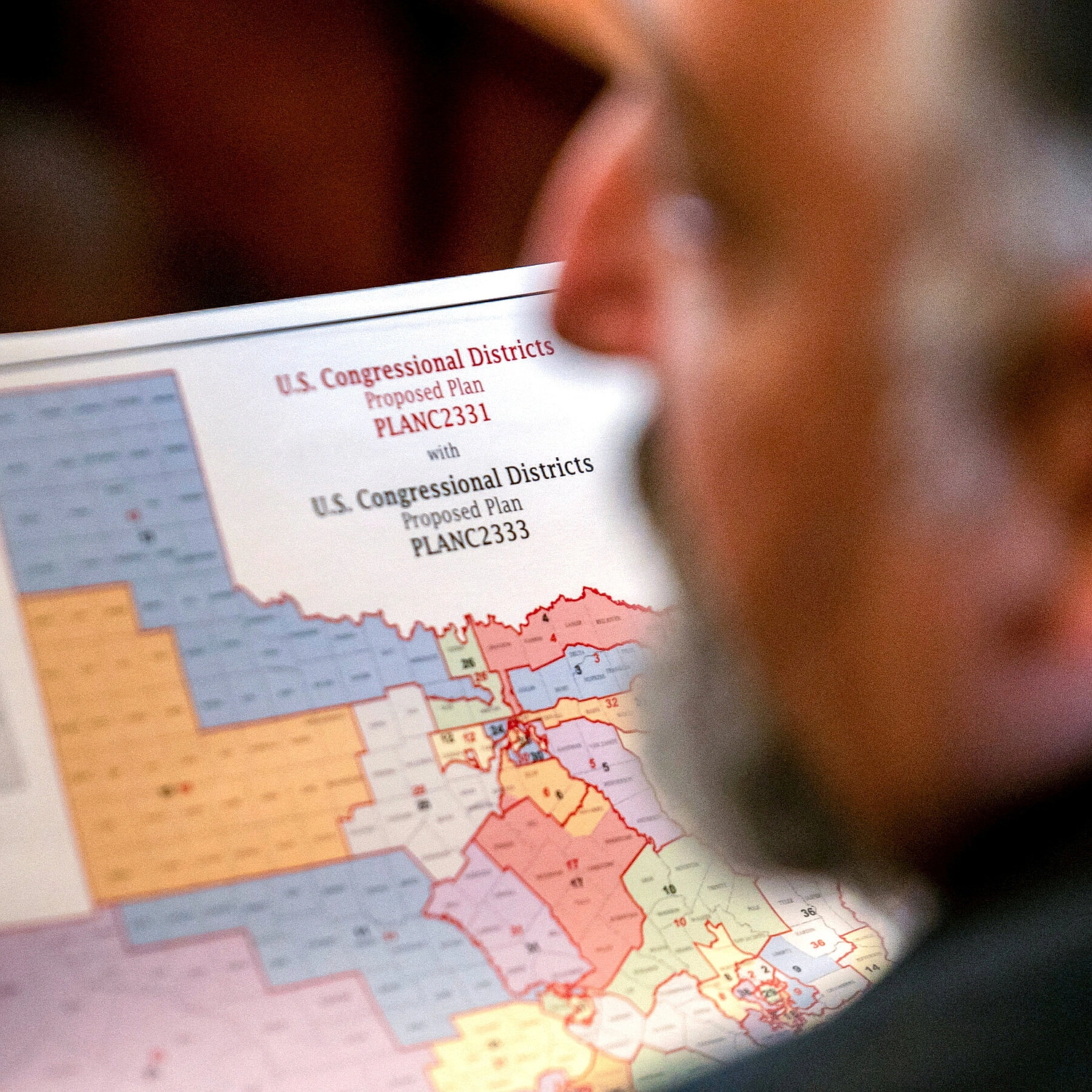
The Supreme Court has allowed Texas to use the newly drawn voting maps in the upcoming midterms, potentially reshaping the political landscape by strengthening the GOP's traditional advantage in the state. The decision comes as lawsuits over how districts were drawn continue to loom over future elections.
In a lengthy dissent, Justice Elena Kagan warned that the district court’s finding—that millions of Texans were assigned to new districts based on race—raises serious concerns about fairness and minority representation. The dissent suggests the map changes may have lasting effects beyond the current cycle.
Three conservative justices — Alito, Gorsuch, and Thomas — rejected the notion that the redrawn maps were driven by racial considerations, saying the record shows partisan advantage was the primary aim. Their concurrence underscores a deep judicial split over how race and partisanship intersect in redistricting.
The ruling provides a clear path for Texas to proceed with the midterm elections under the new maps while legal challenges proceed in federal courts. Analysts say the decision is procedural but carries significant timing implications for 2026, as the state positions itself in a high-stakes political environment.
For Texas officials and voters, the decision helps avoid a last-minute scramble and offers continuity in the electoral process, even as opponents vow to continue pressing legal challenges to the maps’ legality and potential impact on minority voting power.
Cover image source: Supreme Court Clears Way for Texas to Use Republican-Friendly Redistricting Maps 🔗
