Swiss Think Tank: India Achieved Air Superiority, Forcing Pak Ceasefire in Sindoor

Swiss Think Tank: India Achieved Air Superiority, Forcing Pak Ceasefire in Sindoor
Swiss defence think tank says India's air power shifted the balance in Operation Sindoor, pressuring Pakistan to seek a ceasefire after strikes.
A Swiss defence think tank has released a detailed assessment of Operation Sindoor, saying India established air superiority over Pakistan in the early days of the four‑day conflict in May 2025 and compelled Islamabad to request a ceasefire. The report notes that Pakistan initially appeared to gain a tactical edge by downing several Indian fighters, but its ability to conduct further strikes on Indian territory was checked by an integrated Indian air defence system. The assessment highlights how the Indian Air Force then carried out a sequence of precision strikes against Pakistan’s principal air force stations, shifting the balance decisively in favor of India.
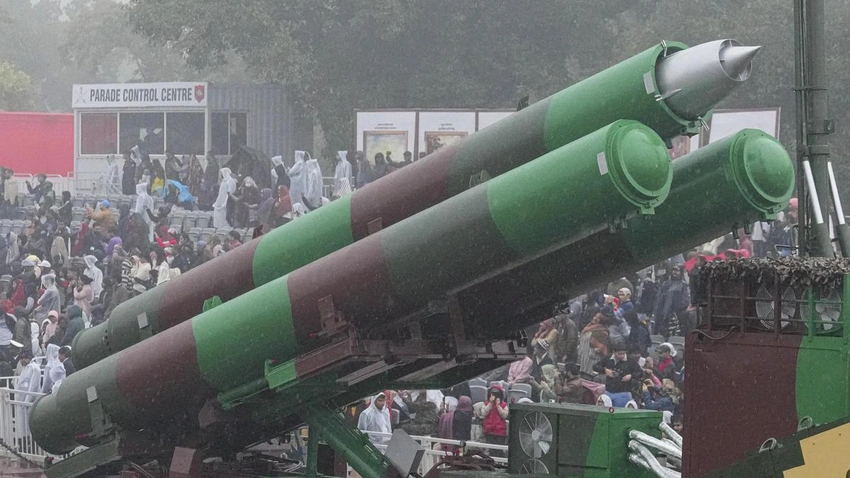
The study credits India’s stand‑off capability to a combination of long‑range munitions and persistent air operations, including the use of BrahMos and SCALP‑EG cruise missiles, which helped sustain pressure across multiple targets. It also points to the IAF’s rapid recovery after an initial setback on May 7, with subsequent operations conducted in greater numbers and at deeper ranges inside Pakistan.
According to the report, Pakistan suffered significant losses, with analysts estimating 12 to 13 aircraft lost, including fighter jets such as U.S.‑made F‑16s and Chinese‑origin JF‑17s, while India’s ground and air campaigns degraded Pakistan’s air defence networks. Indian military leadership has publicly acknowledged a temporary tactical mistake on May 7, which was quickly corrected as air superiority was rebuilt and expanded through subsequent strikes.
Operation Sindoor was initiated in response to the April 22 Pahalgam terror attack in which 26 people were killed. The operation involved strikes on terrorist and military installations across Pakistan and Pakistan‑occupied Kashmir, and it culminated in a ceasefire after days of intensified combat. The Swiss analysis emphasizes how modern air warfare now relies heavily on stand‑off capabilities and precision munitions to achieve strategic outcomes with reduced risk to ground forces.
