Artemis II Nears Lunar Far Side on Bold Moon Flyby

Artemis II Nears Lunar Far Side on Bold Moon Flyby
Artemis II crew pushes beyond Earth, orbiting toward the Moon's far side with a lunar flyby, while dealing with an in-capsule toilet hiccup and eyeing a historic journey.
Artemis II astronauts are on track to reach the far side of the Moon on Monday, four days into the mission, as they push deeper into space than any humans have before. The four-person crew—three Americans and one Canadian—are set for a lunar fly-around that will bring them close enough to study the Moon’s surface up close while NASA monitors the voyage. The milestone comes as a total solar eclipse awaits observers on Earth, underscoring the mission's bold timing and the growing confidence of the team steering Orion on its first crewed voyage beyond Apollo-era milestones.
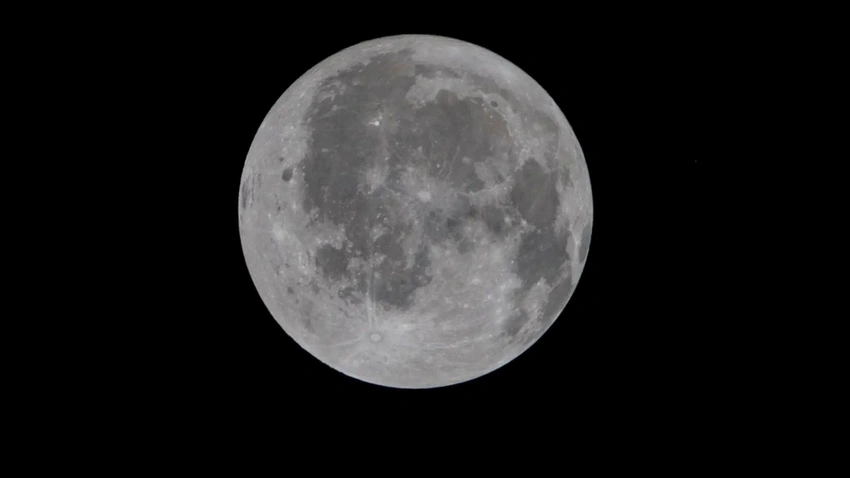
The crew has reported progress toward the planned lunar fly-around, with mission control praising the overall trajectory and the spacecraft's performance as it prepares to loop around the Moon. The perspective from orbit, with Earth looking like a small blue marble and the Moon looming larger in the distance, highlights the scale of the journey and the human effort behind it.
However, officials note a practical challenge aboard the Orion capsule: the onboard toilet has been intermittently unreliable since liftoff. Engineers suspect ice may be blocking a line that prevents urine from flushing overboard, leading to the use of backup urine collection bags. A smell from the bathroom has also been noted. Space agencies describe space toilets as a known difficulty, with reliability a priority for crew comfort and mission success.
Beyond logistics, Artemis II embodies a historic milestone—the first crewed mission to the Moon in more than five decades. The crew members are leveraging their own eyes as a key observational tool for studying the lunar surface, following reports that the best camera for this task is the astronauts’ own sight. The mission is also expected to yield valuable data and imagery as the crew conducts the lunar fly-around and compares textures and colors on the Moon’s terrain.
In addition to observing with their eyes, the crew will compare live visual observations with orbital imagery to track subtle changes on the surface. This approach harkens back to the early days of lunar exploration while advancing modern science, potentially informing future, more sustained human presence on and around the Moon.
