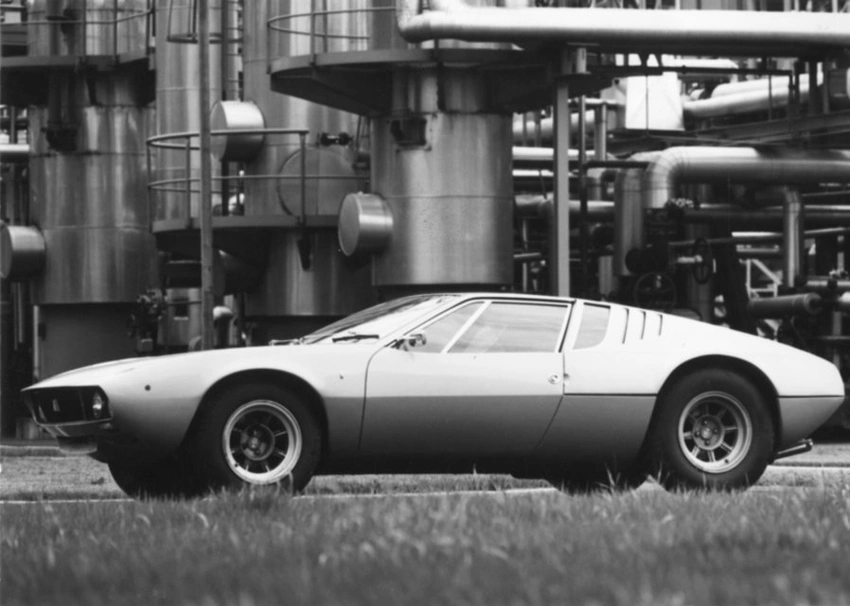
De Tomaso, The Argentine Ghost That Taught Ferrari and Lamborghini How to Build Supercars

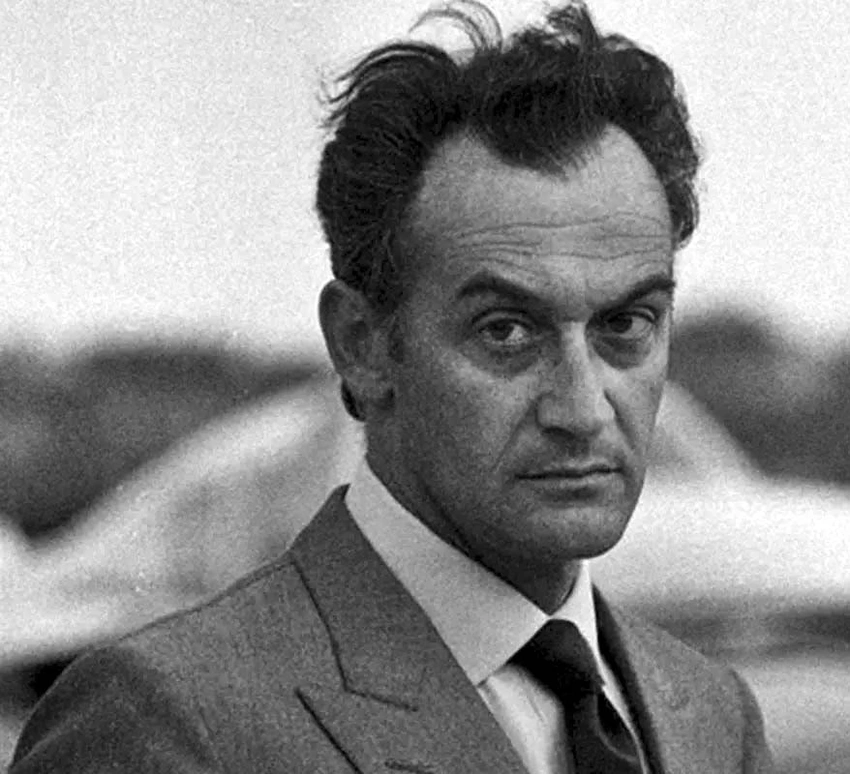
De Tomaso, The Argentine Ghost That Taught Ferrari and Lamborghini How to Build Supercars
De Tomaso, The Argentine Ghost That Taught Ferrari and Lamborghini How to Build Supercars
Alejandro de Tomaso was not a man who followed rules. He was an Argentine racer who fled to Italy and decided to challenge the gods of Modena.
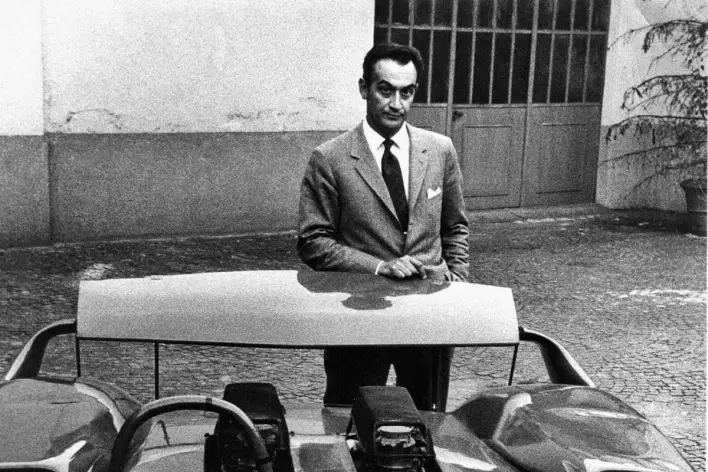
Enzo Ferrari and Ferruccio Lamborghini are household names today. Yet De Tomaso remains a ghost in their shadows. This is a tragedy of automotive history. Alejandro possessed a vision that was sharper and more radical than his rivals. He understood that the future of speed lay in a different direction.
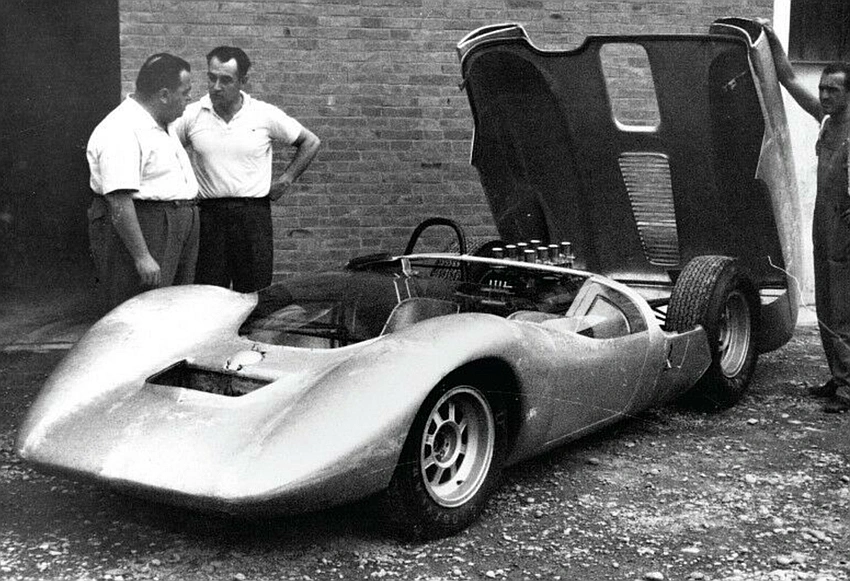
He saw the engine moving behind the driver before most others did. He saw the need for a chassis that was a spine rather than a cage. His arrogance was his fuel. He built cars that were raw and unapologetic. They were beautiful monsters that demanded respect. The automotive world owes him a debt it rarely acknowledges.
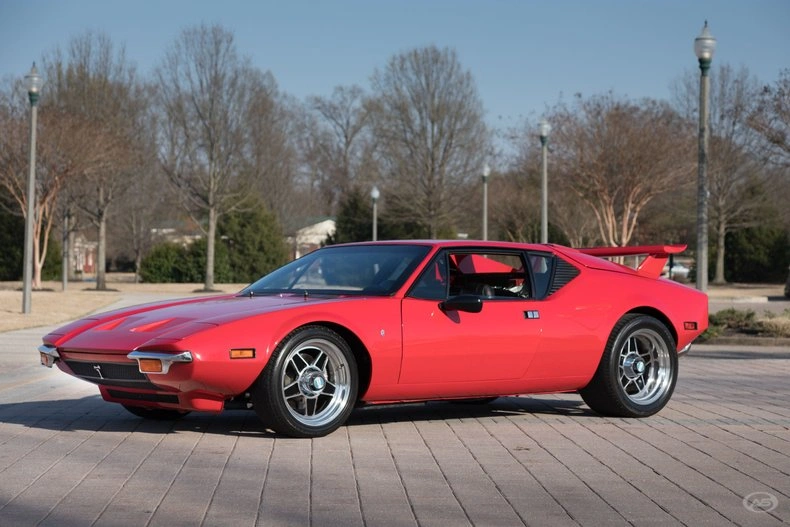
The establishment in Modena was conservative in the late fifties. Front mounted engines were the standard for grand tourers. De Tomaso believed this was obsolete. He looked at Formula One cars. He saw the physics of balance. He knew the weight had to be in the middle. His first road car proved he was right. It was not just a car. It was a statement of intent. He was here to disrupt the comfortable hierarchy of Italian design. He wanted to show the world that a small manufacturer could outthink the giants.
The Vallelunga Blueprint
The Vallelunga is the genesis of the modern supercar. It arrived in 1963. This was years before the Lamborghini Miura stunned the world. The Vallelunga carried its engine in the middle. This was a radical departure for a road legal vehicle. The chassis was the true marvel. It was a pressed steel backbone. The engine served as a stressed member. This design choice was pure racing engineering applied to the street. It was light and incredibly stiff. The suspension geometry was derived from competition cars.
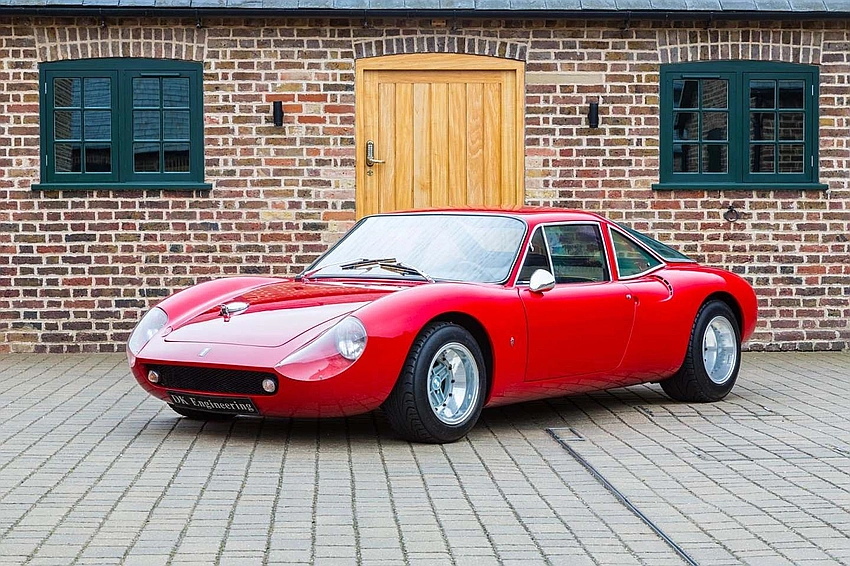
Most people ignore the Vallelunga because of its small engine. It used a modest Ford four cylinder unit. Do not let the size fool you. The power to weight ratio was exceptional. The handling was telepathic. Drivers felt connected to the road in a way that Ferrari owners could only dream of at the time. The design was elegant and low. It lacked the aggression of later models. Yet the proportions were perfect. It set the template for everything that followed. The mid engine layout allowed for a low nose and a sweeping rear deck. This was the silhouette of the future.
The Beast Called Mangusta
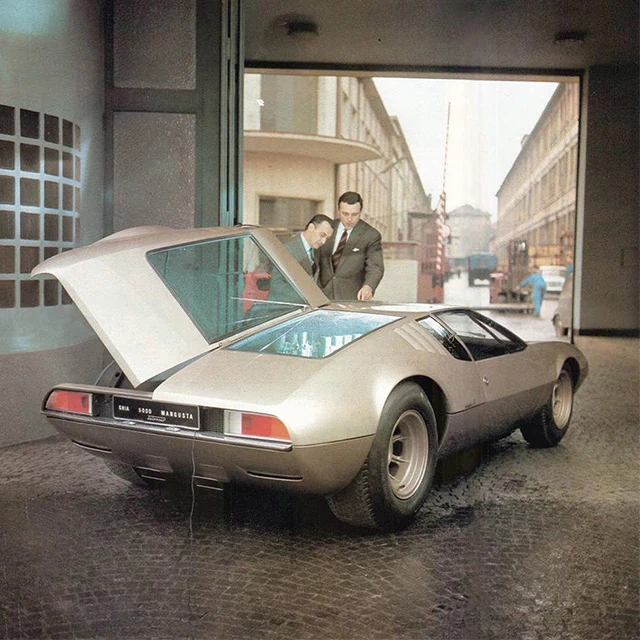
Design changed forever in 1967. The De Tomaso Mangusta appeared. It was a creature of pure aggression. Giorgetto Giugiaro penned the lines. He created a shape that was both beautiful and terrifying. The car sat wide and low. It looked like a predator waiting to strike. The most striking feature was the rear engine cover. It opened in two gullwing sections. This was theater. It turned the mechanics of the car into a showcase. You did not just check the oil. You unveiled the heart of the beast.
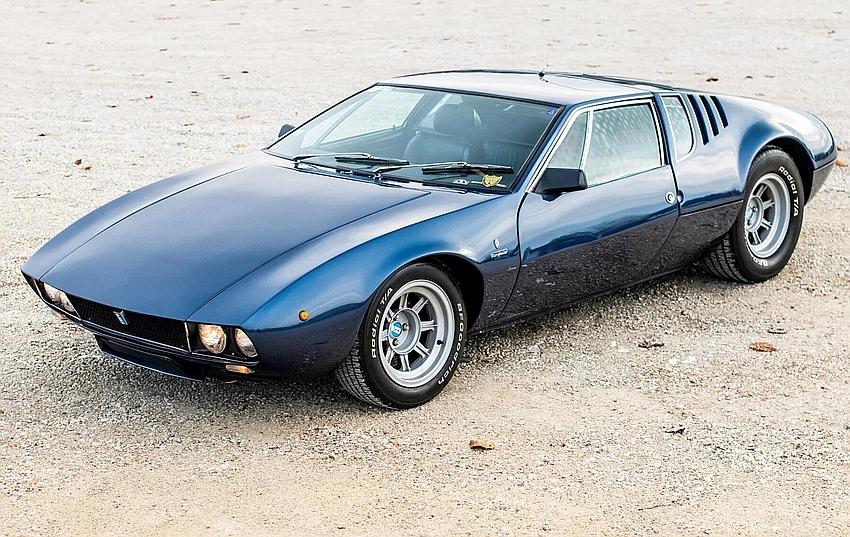
The Mangusta was not refined. It was difficult to drive near the limit. The chassis flexed under the weight of a heavy American V8. Alejandro chose Ford power for a specific reason. He wanted reliability and torque. He wanted to embarrass the fragile Italian V12 engines.
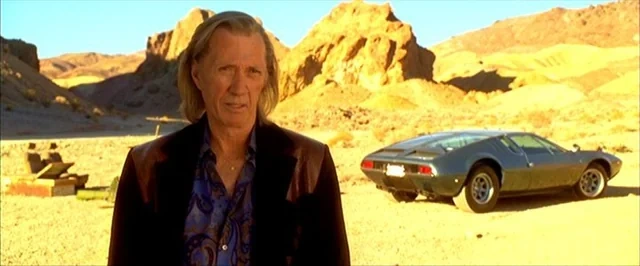
The Mangusta could pull away from a stoplight with brutal force. It did not need high revolutions to make power. This terrified the engineers at Ferrari. They realized their complex engines were vulnerable. The Mangusta proved that American muscle and Italian style were a potent mix. This car bridged the gap between the curvy sixties and the angular seventies. It was the first step toward the wedge era.
The Pantera Phenomenon
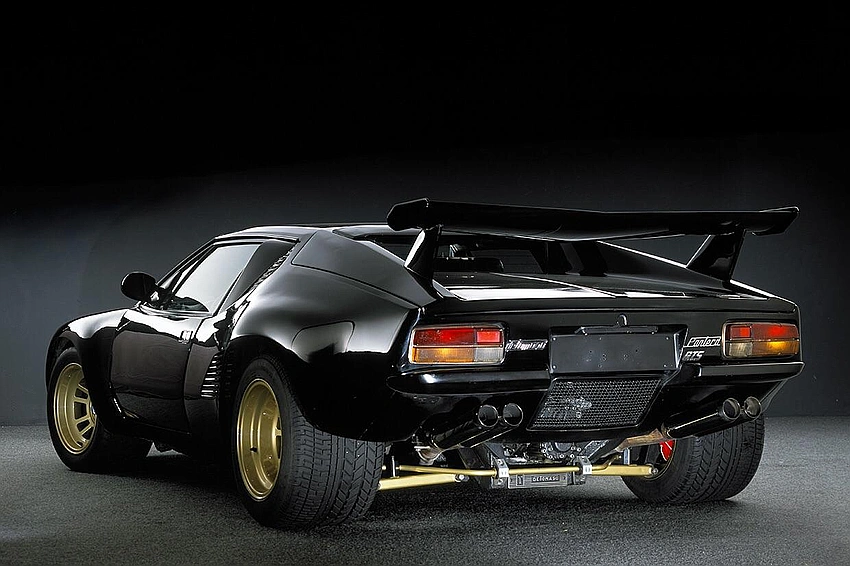
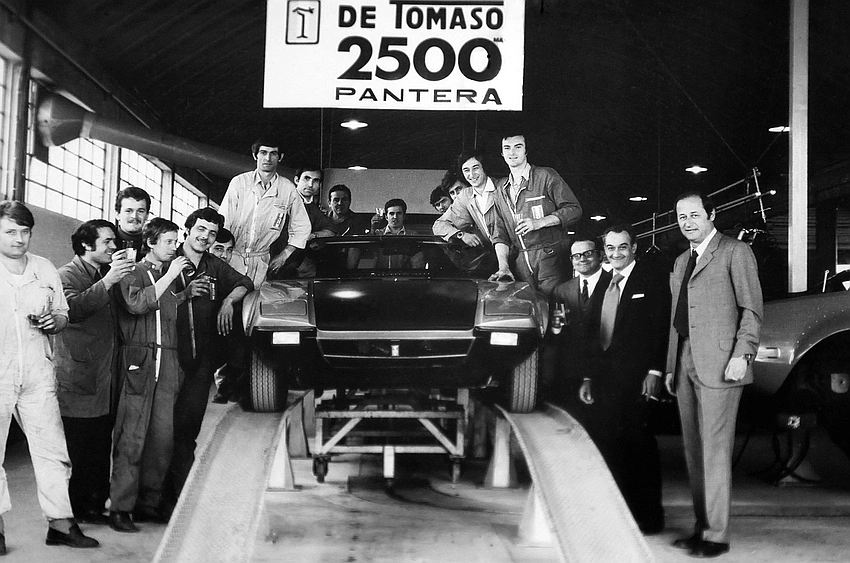
The Pantera is the definition of an icon. It launched in 1970 and changed the landscape of the American market. Tom Tjaarda designed it at Ghia. His brief was simple. Create a mid engine exotic that can be sold in thousands. The result was a masterpiece of straight lines and sharp angles. The curves of the past were gone. The wedge shape was here to stay. The nose was incredibly low. The roofline was flat. The rear was chopped off abruptly. This is the Kamm tail design. It improves aerodynamics and looks aggressive.
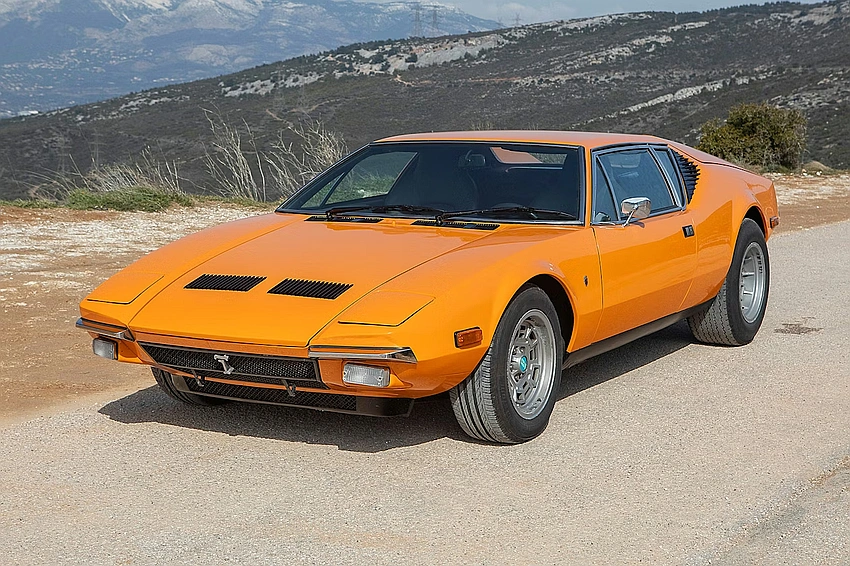
Ford partnered with De Tomaso to sell the Pantera. This was a massive validation of Alejandro’s vision. You could buy an Italian exotic at a Lincoln Mercury dealer. The engine was the legendary 351 Cleveland V8.
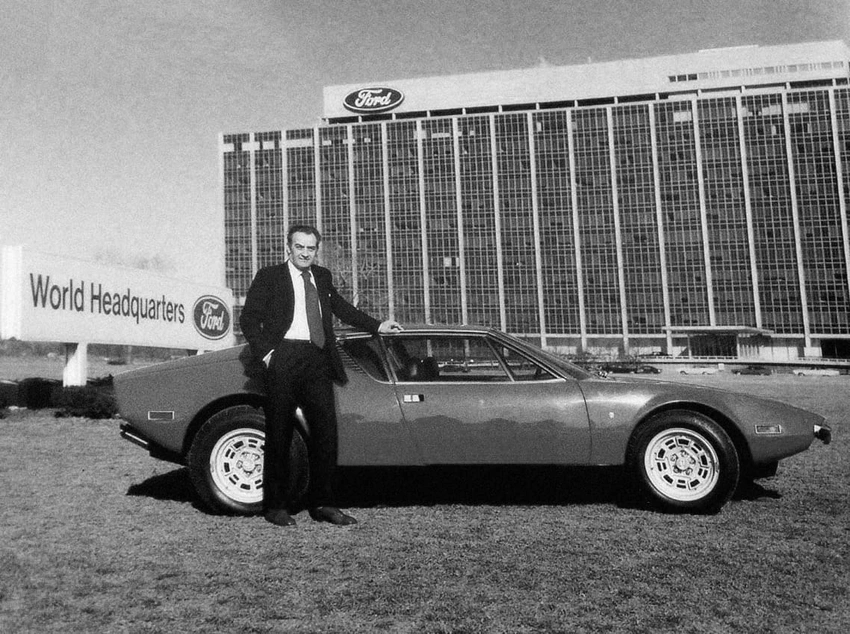
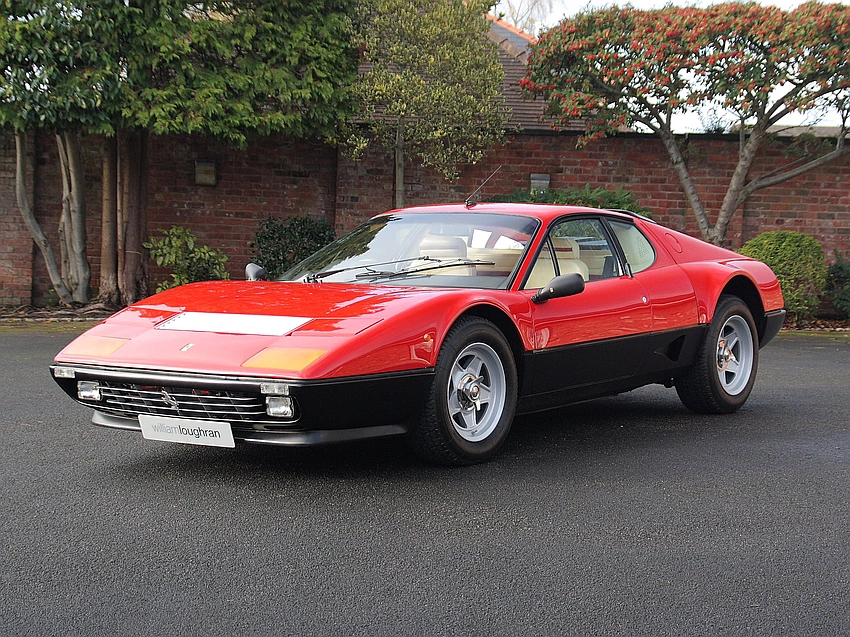
It sat directly behind the driver. The sound was a deep and guttural roar. It was very different from the scream of a Lamborghini V12. The Pantera brought supercar ownership to a wider audience. It was faster than a Ferrari Daytona and cost half as much. This forced the competition to react. Ferrari had to develop the Berlinetta Boxer.
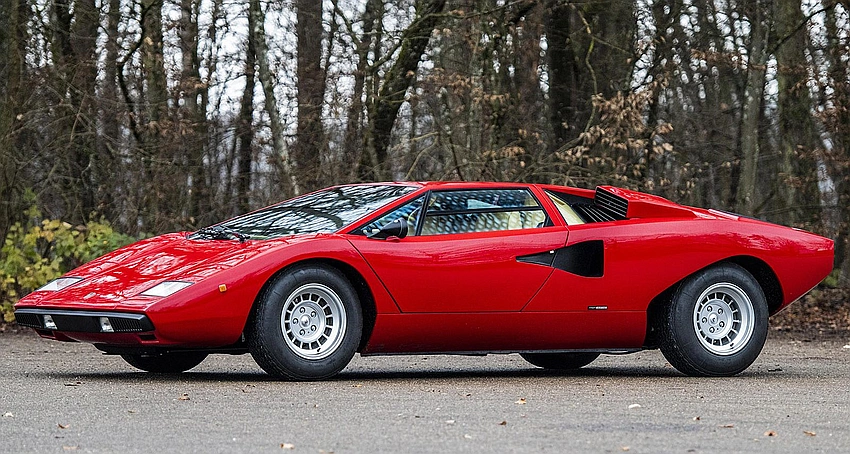
Lamborghini had to push boundaries with the Countach. The Pantera accelerated the arms race.
Influence on the Prancing Horse
Ferrari was slow to adopt the mid engine layout for their flagship cars. They feared it was too dangerous for their customers. The De Tomaso Vallelunga and Mangusta proved them wrong. These cars showed that mid engine placement was superior for handling.
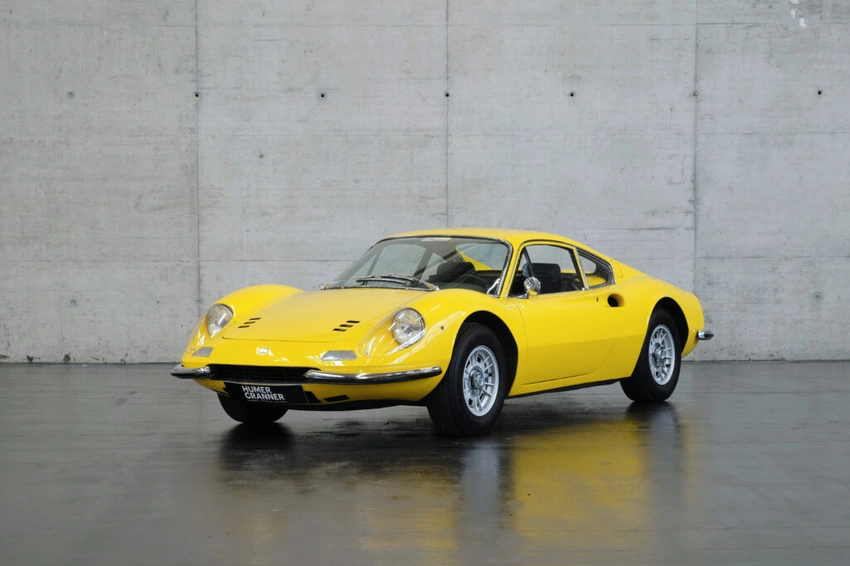
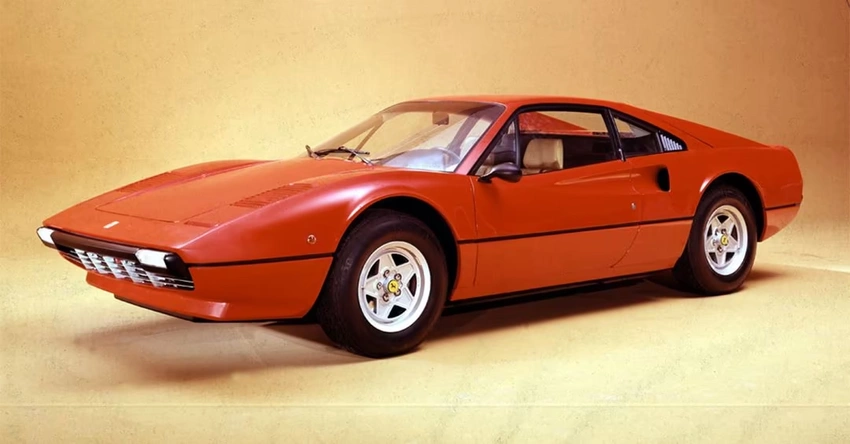
Ferrari eventually released the Dino. The Dino shares a spiritual link with the Vallelunga. Both are small and agile mid engine sports cars. The influence is undeniable. The later Ferrari 308 GTB adopted a sharp design language. This mirrors the aesthetic shift started by the Mangusta and Pantera.
Designers watch each other closely. The work of Giugiaro on the Mangusta sent ripples through Maranello. You can see echoes of the Mangusta in the Ferrari line. The strong shoulder lines and the wide stance became industry standards. De Tomaso proved that a car could look fast while standing still. Ferrari realized they could not rely on heritage alone. They had to innovate. They had to embrace the sharp lines of the new era. De Tomaso forced them to modernize their design language.
Sparking the Raging Bull
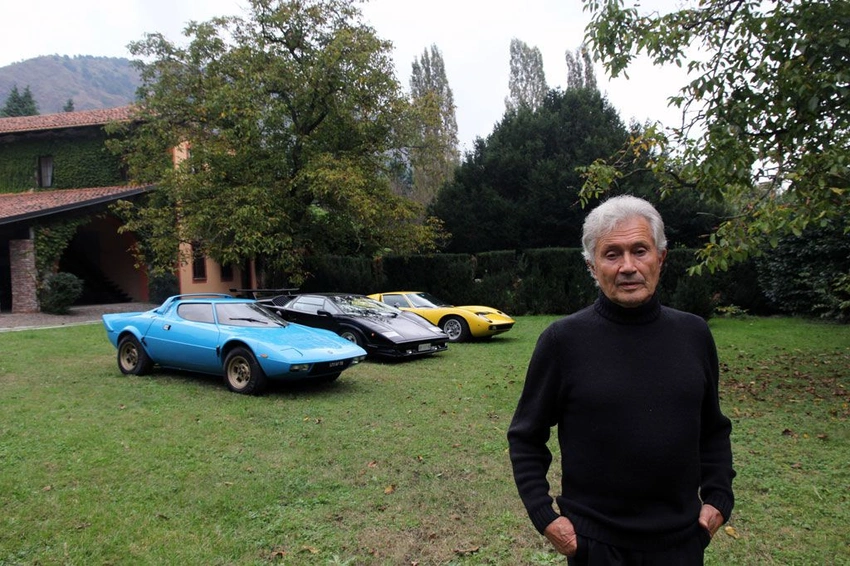
Lamborghini is famous for the Miura. The Miura is often called the first supercar. But the Vallelunga was there first. The Vallelunga proved the concept worked on the road. Lamborghini took the idea and added a V12.
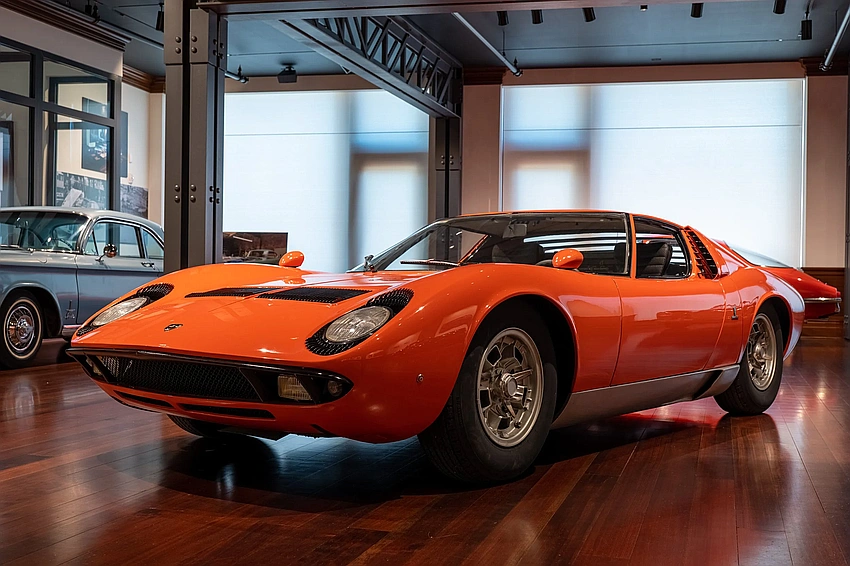
De Tomaso showed that the layout was viable. The design connection is even stronger with the Countach. The Countach is the ultimate wedge. But look at the Pantera. The Pantera debuted the sharp wedge profile before the Countach entered production.
Marcello Gandini designed the Countach. He was undoubtedly aware of Tjaarda’s work on the Pantera. The transition from the sensual Miura to the brutal Countach did not happen in a vacuum.
The Pantera normalized the wedge shape. It prepared the public eye for the shock of the Countach. De Tomaso helped create the visual vocabulary of the seventies supercar. The sharp nose and the flat surfaces became the uniform of speed. Lamborghini took it to the extreme. But De Tomaso laid the groundwork.
The Forgotten Renaissance
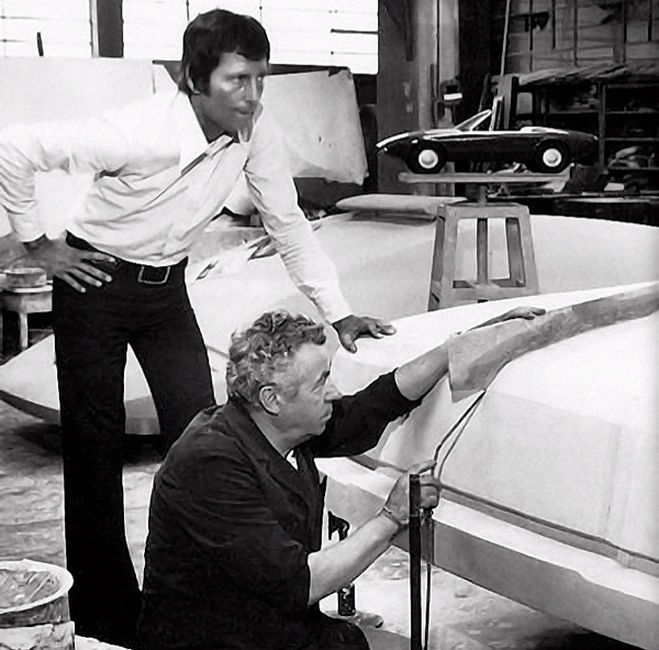
We speak of a design renaissance in the late sixties. This was the shift from elegance to aggression. De Tomaso was the catalyst. Alejandro did not care about tradition. He wanted to make a mark. He hired the best young designers. He gave them freedom. Giugiaro and Tjaarda did some of their best work for him. They were not constrained by a hundred years of history. They could experiment.
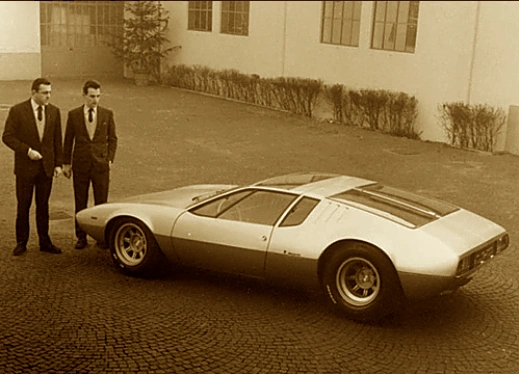
The Mangusta gullwing doors are a prime example. No established manufacturer would have risked such a design. It was impractical and expensive. But it was stunning. It pushed the boundaries of what was acceptable. This boldness inspired the entire industry. It made car design exciting again. It forced every other brand to be braver.
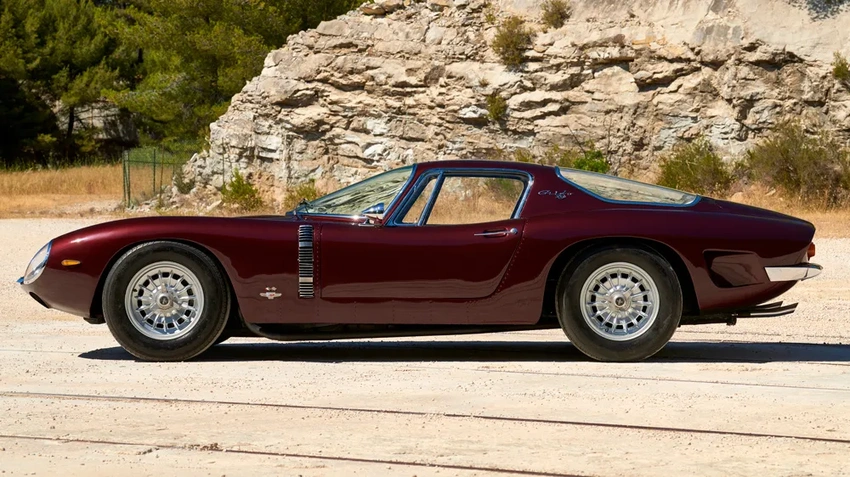
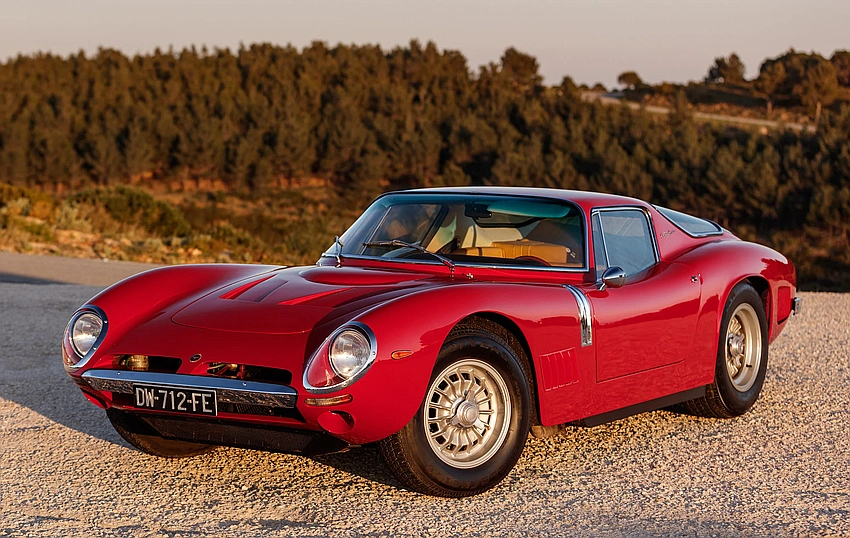
The renaissance was not just about beautiful cars. It was about daring engineering choices. It was about fusing different cultures. The Italian body and American heart became a valid formula. This hybrid approach influenced cars like the Iso Grifo and Bizzarrini. But none did it as successfully as De Tomaso.
A Modern Resurrection
The brand lay dormant for years. Alejandro passed away. The factory fell silent. But the name was too powerful to die. A new ownership group has revived the legend. The De Tomaso P72 is the result. It is a love letter to the P70 prototype of the sixties. The design is breathtaking. It rejects the angry aggression of modern hypercars. It returns to the voluptuous curves of the racing era.
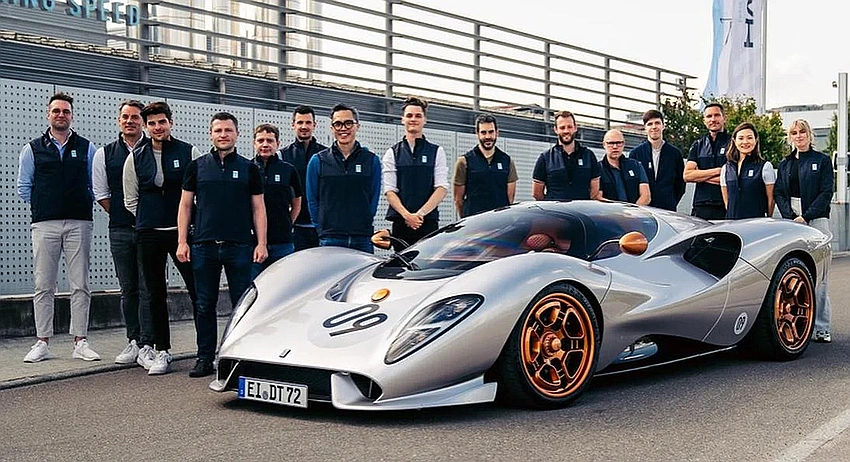
The P72 proves that the spirit of De Tomaso is alive. It is not a copy of a Ferrari. It is something unique. The interior is a work of art. It features polished copper and analogue gauges. It celebrates the mechanical nature of the machine. The engine is still a Ford V8. This honors the tradition of the Pantera and Mangusta. The sound is raw and American. The styling is exquisitely Italian. The brand has found its identity again. It stands apart from the clinical perfection of McLaren or Porsche. It offers emotion.
The Legacy of the Spine
We must look back at the chassis innovation. The backbone chassis of the Vallelunga was genius. It allowed for a very low center of gravity. It freed up space for the bodywork. Lotus used a similar idea. But De Tomaso packaged it in an Italian suit. This engineering paved the way for the supercars we know today. Modern carbon tubs are the spiritual successors of that rigid spine. They serve the same purpose. They connect the driver to the road with zero interference.
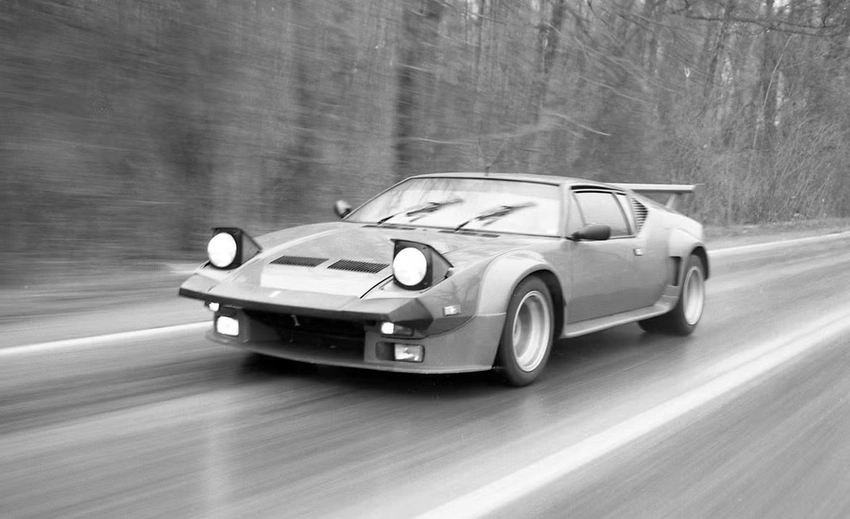
Alejandro de Tomaso proved that you do not need a huge budget to change the world. You need a clear vision. You need the courage to be different. He challenged Ferrari and Lamborghini and he won his own victories. The Pantera sold in numbers that Lamborghini could only envy. It became a cultural icon in America. It was the poster car for a generation.
The revival of De Tomaso is important. It reminds us of a time when car design was led by passion. It brings back the romance of the sixties. The P72 looks like it drove out of a time machine. It connects the dots between the past and the present. It shows us that beauty is timeless. The influence of the original models is still felt. Every time you see a mid engine car you are seeing the legacy of the Vallelunga. Every time you see a wedge shape you are seeing the ghost of the Pantera.
History is written by the victors. Ferrari and Lamborghini survived the hard times. De Tomaso faltered. That is why the name faded. But we must correct the record. The automotive landscape would look very different without Alejandro de Tomaso. He was the grit in the oyster that created the pearl. He forced the big players to work harder. He introduced designs that define the supercar genre.
The Mangusta and Pantera are not just old cars. They are milestones. They mark the moment when cars became spaceships. They mark the moment when speed became a visual language. We should honor the ghost of Modena. We should recognize the Vallelunga as a pioneer. We should see the Pantera as the legend it truly is. De Tomaso is not just a footnote. It is the headline that everyone forgot to read.