AI Influencers: Your New Digital Best Friend or Ethical Minefield?

AI Influencers: Your New Digital Best Friend or Ethical Minefield?
AI mascots are taking over social media! But what happens when our emotional bonds shift to code and pixels? Explore the ethics of virtual brand ambassadors.
The virtual influencer phenomenon isn't just a fleeting trend- it's a seismic shift in how brands connect with consumers. From holographic pop stars to AI-generated fashion icons, these digital entities are blurring the lines between reality and simulation. But as we increasingly form emotional bonds with non-human personas, it's time to critically examine the ethical implications of this new frontier in marketing.
The Rise of the Flawless Digital Icon
Imagine an influencer who never ages, never makes a gaffe, and is available 24/7. That's the promise of an AI mascot. For brands, the appeal is immense: complete control over messaging, consistent brand representation, and immunity from human controversies.
These virtual ambassadors offer a pristine, polished image, a perfect vessel for product promotion.
They're cost-effective in the long run and can be designed to appeal to hyper-specific demographics, making them incredibly potent marketing tools.
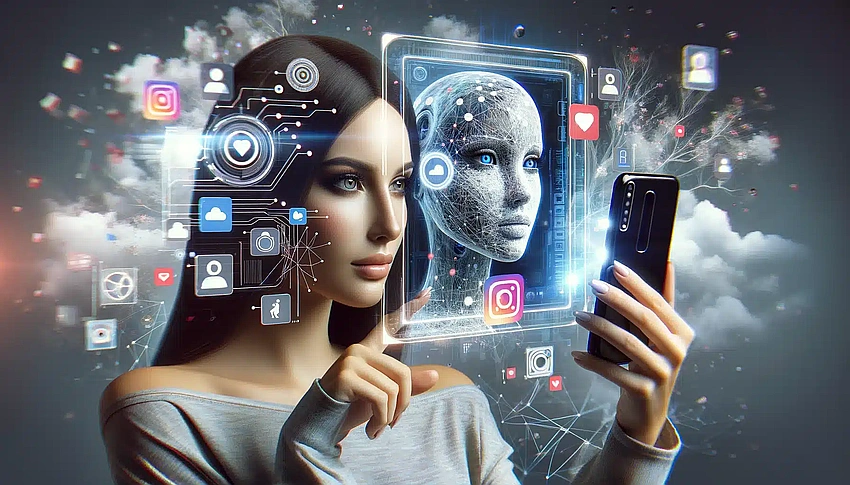
The Parasocial Paradox: Connecting with Code
Humans are wired for connection, and this extends to figures we only know through media- what psychologists call parasocial relationships. We follow, admire, and even feel like we 'know' celebrities and influencers, even though the relationship is one-sided. Now, this phenomenon is extending to AI entities.
People share their lives with these virtual beings, confiding in them, and developing genuine emotional attachments. "It's unsettling how real they can feel, even when you know they're not," remarked one follower of a popular virtual idol. This raises a crucial question: What is the psychological impact of fostering deep connections with something that cannot reciprocate or truly understand?

Navigating the Ethical Crossroads
Transparency is paramount. Do consumers always know they're interacting with an AI? Misleading audiences, even subtly, can erode trust.
Then there's the issue of authenticity- can a virtual entity genuinely review a product or advocate for a cause?
If an AI influencer promotes unrealistic beauty standards, the mental health implications could be even more severe than with human influencers, as their perfection is unattainable by design. Moreover, the data collected from interactions with AI mascots could be vast and raise significant privacy concerns.
As these digital beings become more sophisticated, the distinction between human and artificial interaction becomes increasingly ambiguous, posing challenges for emotional and cognitive development, especially in younger audiences.

Building a Responsible Digital Future
How do we move forward responsibly? Guidelines for transparency, clear labeling of AI interactions, and open discussions about data usage are essential. Brands must consider the long-term psychological effects of their virtual spokespeople, prioritizing ethical engagement over mere novelty.
For consumers, cultivating critical media literacy is key- understanding that a perfect digital persona is just that, a persona, crafted for specific purposes. The rise of AI mascots challenges us to redefine our understanding of influence, authenticity, and human connection in an increasingly digital world.
What responsibilities do we, as consumers and creators, hold in shaping this evolving landscape?