Duhigg's 'Power of Habit' Exposed My Brain's Dirty Little Secrets

Duhigg's 'Power of Habit' Exposed My Brain's Dirty Little Secrets
Forget your free will, apparently. Charles Duhigg's 'The Power of Habit' reveals how tiny, mindless actions shape everything. My unhinged take on why you need this book, like, yesterday.
Your Brain's Secret Operating System: Friend or Foe?
Okay, so I finally read Charles Duhigg's The Power of Habit , and honestly? My brain feels both enlightened and personally attacked. For years, we've been told to 'just do it,' right?
Just pull yourself up by your bootstraps, make better choices!
Turns out, our lives aren't some grand, spontaneous drama.
Nah, fam.
They're a tightly scripted play, and the scripts are written by our habits.
The Loop That Owns Us (and Our Wallets)
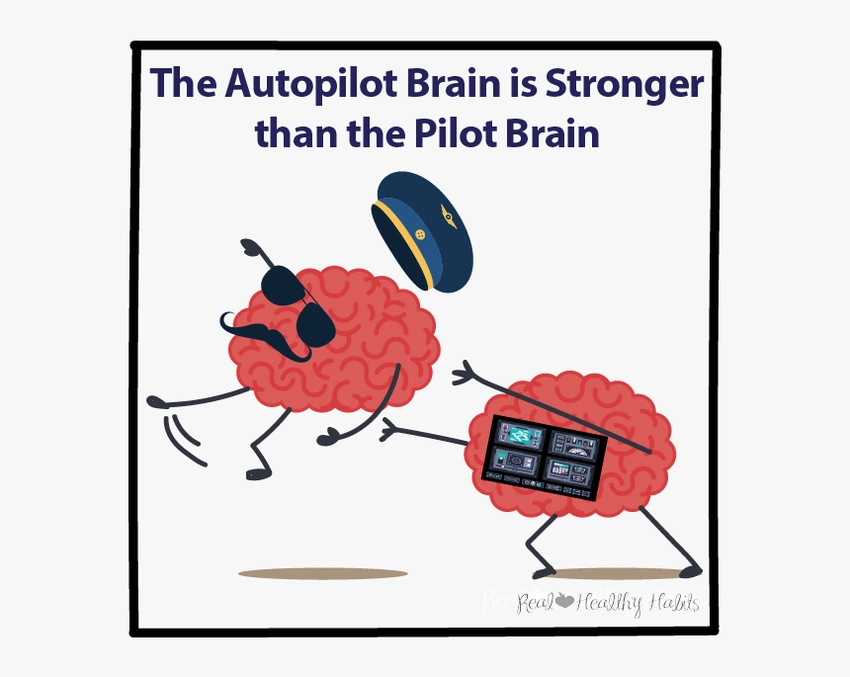
Duhigg breaks it down with this deceptively simple 'habit loop': Cue - Routine - Reward . You see a cookie (cue), you eat the cookie (routine), you feel briefly happy (reward). Repeat ad nauseam.
It's not just about cookies, though. It's about brushing your teeth, checking your phone every 30 seconds, even protesting or voting. They're ingrained neural pathways firing off like tiny, obedient robots.
Remember when cigarettes were glamorous? Or how about the sudden explosion of smoothie bowls everywhere ? These aren't accidents.
They're meticulously engineered habits, some good, some… well, let's just say they're great for corporate profits.
This book makes you realize how much of 'modern life' is just a series of cleverly packaged cues and rewards.
Society's Giant Habit Chain: Then vs. Now
This is where my unhinged brain really went off. Think about it: our ancestors' habits were largely about survival-, hunting, gathering, not getting eaten by a saber-toothed tiger. Fast forward to now, and our habits are about doomscrolling until 3 AM, or getting that sweet, sweet dopamine hit from a 'like.' The stakes are different, but the brain's mechanism?
Same damn loop.
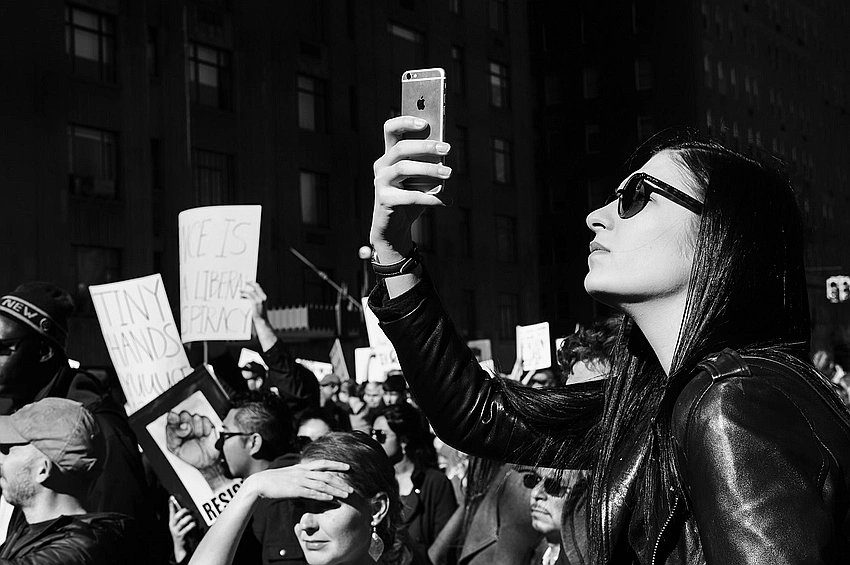
Duhigg gives this incredible example with civil rights, showing how collective habits-, of protesting, of community organizing-, can be leveraged for massive social change. He notes,
Change is not always a matter of conscious decision. More often, change is a process that operates beyond our awareness.
This isn't just about personal growth; it's about understanding the invisible strings pulling our collective puppet show.
Are we still pushing for meaningful collective action, or are we stuck in a loop of performative outrage followed by endless scrolling?
Just asking for a friend.
So, Are We Just Biological Robots, Or What?
Here's the kicker: once you understand the habit loop, you're not powerless. You're empowered . It's like discovering the cheat codes to your own operating system.
Want to stop biting your nails? Identify the cue, replace the routine with something less destructive, and find a new reward. Want to start exercising?
Find a cue (gym bag by the door), a routine (20 min walk), and a reward (your favorite podcast).
This book isn't some fluffy self-help guide. It's a blueprint for behavioral engineering-: both yours and society's. It's a little terrifying, a little freeing, and a whole lot to unpack.
So, what ingrained, probably pointless habit is currently running your life? Because after reading this, I'm side-eyeing everything I do.
And maybe, just maybe, I'm finally going to replace that late-night snack routine with… well, I'm working on it.