Tata Trusts Row Over Non-Parsi Trustees Heads to Court

Tata Trusts Row Over Non-Parsi Trustees Heads to Court
Tata Trusts face a governance clash over eligibility rules for trustees, spotlighting residency and community requirements as legal opinions spark questions about the framework.
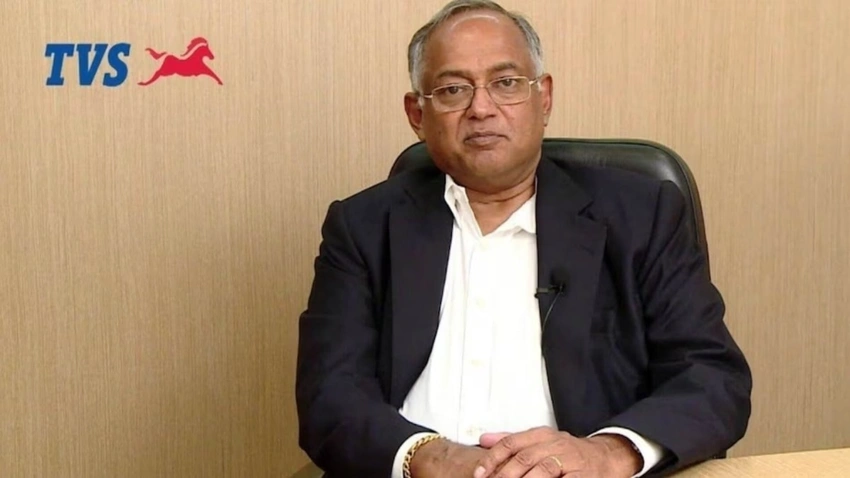
Less than 18 months after the passing of Ratan Tata, the Tata Group finds itself at the center of a governance dispute that could shape the future of its Trusts. The Tata Trusts, which hold a dominant stake in Tata Sons and wield significant influence over one-third of the board of the company that controls the $180-billion Tata Group, are facing questions about who can join their ranks. The core issue revolves around eligibility rules tied to community and residency, with Mehli Mistry raising concerns about the admission of non-Parsis such as Venu Srinivasan and Vijay Singh into the Trusts. The implications of these eligibility debates ripple through the governance of one of India’s most influential business empires.
A key strand in the controversy is a set of opinions surrounding the validity of trustee restrictions. Former Chief Justice of India M. H. Kania reportedly weighed in with legal observations on the composition rules, prompting further debate on whether such restrictions are legally binding or flexible enough to accommodate evolving norms. The discourse has intensified as the broader governance and transparency questions come into focus, given the Trusts’ control over the Tata Sons stake and their power to influence strategic decisions across the group.
Events intensified with developments indicating a more complex legal terrain, including affidavits and differing interpretations before regulatory bodies such as the Maharashtra Charity Commissioner. While legal scholars have suggested flexibility in past judicial observations, opponents of the current restrictions argue that residency and community criteria may need reevaluation to reflect contemporary realities. Supporters counter that tradition and the Trusts’ historical governance framework provide stability and safeguard long-standing stakeholder interests.
As the situation unfolds, all eyes will be on how the dispute is resolved and what it means for governance, transparency, and the decision-making processes within one of India’s most respected business behemoths. The outcome could have lasting implications for succession, board composition, and how large family-linked trusts interact with corporate governance in a global conglomerate.
