Why Is Congress Suddenly So Interested in Who Gets to Play in the WNBA?
Why Is Congress Suddenly So Interested in Who Gets to Play in the WNBA?
Why Is Congress Suddenly So Interested in Who Gets to Play in the WNBA?
A look at how a bizarre basketball controversy has somehow turned the WNBA into the latest battleground over gender, politics and who gets to decide what a woman means.
The US Congress has demanded that the WNBA explain what a woman is.
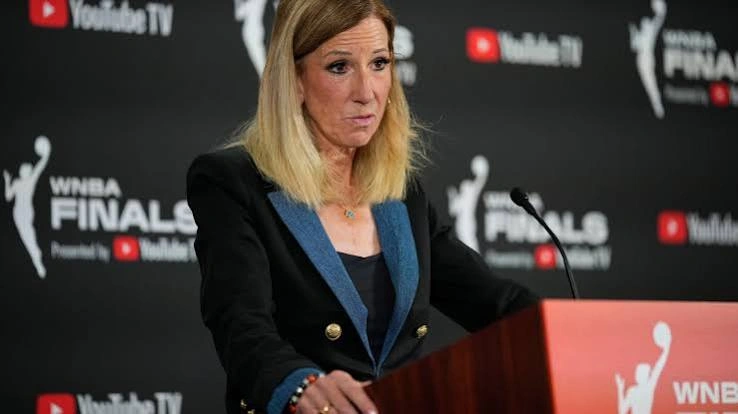
The letter, led by Indiana Republican representative Marlin Stutzman and signed by four other Republican members of Congress, asks outgoing commissioner Cathy Engelbert to define “women” for the purposes of the league’s eligibility rules. It also wants answers about player safety and confrontations involving fans. Engelbert has been told to respond by 16 October.
The timing is what makes the whole thing worth paying attention to. This is happening after former NBA players Enes Kanter Freedom and Royce White announced that they intended to enter the 2027 WNBA Draft while identifying as women. The league subsequently ruled both men ineligible. There is currently no trans woman on a WNBA roster, and Them reports that there is no legitimate trans athlete currently trying to enter the 2027 draft.
So what exactly is Congress investigating?
The Question Behind the Letter
The WNBA's current eligibility language says that only players who are women can play in the league. It does not spell out a definition of “women” or specify whether that means biological sex, gender identity or something else. That gap is what Stutzman and his colleagues are now targeting. Their letter argues that the league has already made its position clear by rejecting Freedom and White. If the WNBA can determine that those two men are ineligible, the lawmakers want to know what definition the league used to reach that decision.
There is an almost circular quality to the dispute. The league has a rule saying women are eligible. Two former NBA players tested what that wording might mean. The WNBA rejected them. Congress is now asking the league to explain the definition it appears to have applied. And suddenly a sentence buried in a collective bargaining agreement has become a national political argument.
Two Men, One Very Strange Basketball Story
Freedom announced on 7 August that he intended to declare for the WNBA Draft, arguing that if self-identification was enough, he met the requirements. White followed shortly afterwards and also said he intended to enter the draft. Them reports that WNBA sources characterised the attempts as publicity stunts and said the league would not allow outside pressure to dictate its processes. There is an important detail here that can easily disappear underneath the online spectacle. Neither man was actually trying to join a WNBA team through an ordinary basketball pathway. Their announcements became a way of testing the wording of the league's policy in public. That turned a technical eligibility rule into content. And the WNBA has had to respond to the content even while insisting that it does not represent an actual eligibility crisis.
Now Politics Has Entered the Arena
The congressional letter goes beyond gender eligibility. It asks about physical incidents during games and how the league handles confrontations between players and spectators. It references an August incident involving Sophie Cunningham and DiJonai Carrington, as well as a confrontation involving White and Chicago Sky guard Natasha Cloud. The lawmakers also ask why Freedom and White were declared ineligible, while arguing that the WNBA has an obligation to protect female players. Those are political claims being made by the lawmakers, rather than established findings about the league. The letter itself does not impose a new rule or specify what would happen if Engelbert does not respond.
That remains, curiously enough, the most baffling dimension of this entire ordeal. Congress has produced an enormous amount of political attention around a league policy that has not actually changed.
The WNBA Becomes the Stage
The WNBA has been dealing with a cultural explosion around women's basketball, and now the league is also becoming a stage for arguments that extend far beyond basketball. The controversy has included conservative media attention, protests and online disputes around transgender athletes. Them has reported that the league's existing policy remains unchanged, while its anti-hate task force has discussed the issue alongside the hostility surrounding it. Meanwhile, Engelbert is already preparing to leave her position at the end of 2026 after more than seven years as commissioner. That makes the timing even more curious, in my opinion. The person being asked to explain the league's definition of womanhood is an outgoing commissioner, while the league itself is preparing for its next chapter.
What I Find Most Interesting
The story begins with a sentence about who can play basketball and ends somewhere much larger. A former NBA player says he can enter the women's league. Another follows him. The WNBA rejects both. Republicans in Congress then demand an explanation of what the league means when it says “women”. Meanwhile, there still isn't a trans woman trying to enter the WNBA. That is what makes this feel less like a story about an actual player eligibility dispute and more like a story about who gets to define the boundaries of women's sport in public.
The basketball is almost beside the point now.
