India votes against UNHRC Iran resolution; Iran thanks New Delhi

India votes against UNHRC Iran resolution; Iran thanks New Delhi
India's vote against a UNHRC measure scrutinizing Iran draws praise from Tehran as protests and sanctions shape regional diplomacy.
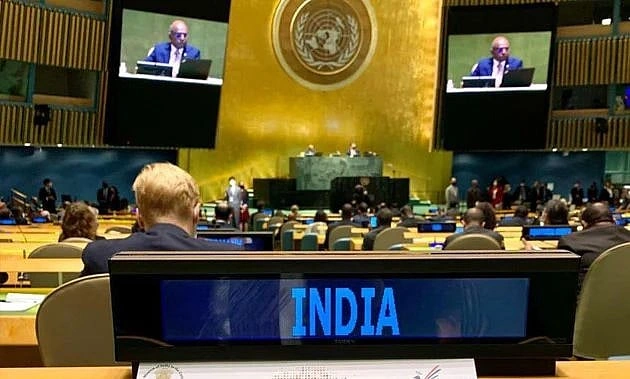
India voted against a UN Human Rights Council resolution that sought to extend a fact-finding mission and scrutinize alleged rights abuses in Iran. The motion, backed by several Western and allied states, was approved 25 votes in favour, seven against and 14 abstentions. India's stance, aligning with a small bloc of countries that argued the measure was selective and politically driven, underscores New Delhi's attempt to balance its strategic interests with its long-standing ties to Tehran and its broader push for regional stability. The decision came as India seeks to safeguard its interests in the Chabahar port project and to maintain a pragmatic relationship with Iran while navigating western pressures. Observers say Delhi is signalling a principle of non-interference in internal affairs while supporting dialogue as a preferred tool for addressing concerns.
Iranian officials quickly welcomed India's position, with the representative of Iran's Supreme Leader calling it 'principled and firm' and noting a centuries-old relationship between the two nations. He highlighted the historical ties that predate Islam, citing the study of Indian philosophical texts in Iran and the value Iran places on collaboration with India. He referenced Chabahar as a cooperative project and expressed hope that future work there proceeds smoothly despite US sanctions, describing the port as a symbol of enduring partnership.
Meanwhile, the crackdown on protests in Iran has produced a range of death toll figures, illustrating the sensitivities around reporting. Iranian state television reported 3,117 dead, while rights groups including HRANA have cited higher figures, with more than 4,500 deaths attributed to protesters, security personnel and bystanders; additional deaths remain under review as media organizations contradict or supplement the official totals. The numbers have underscored the volatility of the crisis and the challenge for the international community in assessing the human rights situation while continuing to pursue diplomatic engagement.
This episode reveals the delicate balancing act in India's diplomacy: supporting plausible human rights scrutiny in principle without breaking ties with Iran or jeopardizing a strategic port that could shift regional trade routes. It also highlights how public diplomacy and parliamentary votes can echo in bilateral ties and regional geopolitics, particularly as Delhi weighs the optics of its foreign policy against the practical needs of commerce and security.
