Why Indie Literary Platforms Are Crucial Culture Shapers Today

Why Indie Literary Platforms Are Crucial Culture Shapers Today
Discover how independent literary magazines are not just surviving but thriving, nurturing new talent, shaping cultural discourse, and fearlessly tackling contemporary issues. A deep dive into their essential role in our
The digital age promised to democratize publishing, yet many independent literary platforms have faced an uphill battle. Still, a fascinating trend persists: the enduring power and cultural relevance of these often-scrappy, online spaces. They are not merely digital archives; they are vital incubators for new voices, shapers of contemporary thought, and essential bastions against the homogenization of mainstream media.
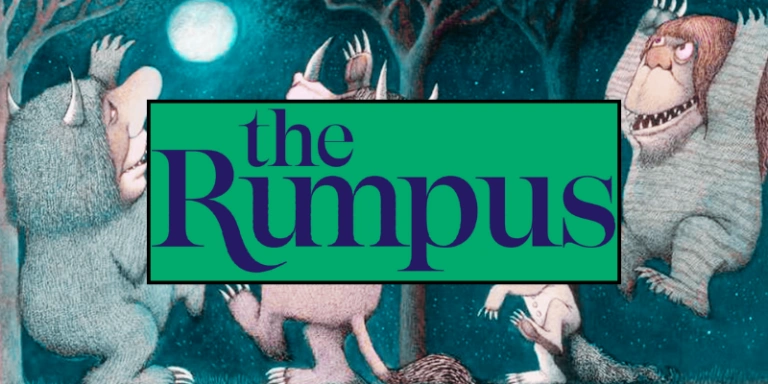
Consider a platform born in San Francisco in 2009. From its inception, it cultivated a reputation for fearlessness and originality, becoming a launching pad for writers who would later achieve significant recognition. This kind of independent publication consistently demonstrates a unique knack for identifying and nurturing talent, often long before larger publishers take notice. They thrive on passion and a commitment to art, filling a crucial void that commercially driven entities often overlook.
The resilience of these platforms is remarkable. They navigate shifting media landscapes, evolving technologies, and the constant pressure of funding. Their survival is often a testament to the dedication of their communities, whether through volunteer efforts or the support of established figures who understand their foundational importance. Indeed, it's not uncommon for individuals who found their early footing or a significant audience through such a platform to later return, offering their influence and resources to ensure its continued legacy. This creates a powerful, self-sustaining ecosystem where past beneficiaries become future patrons, safeguarding the next generation of creative expression.
But their role extends beyond literary discovery. These revitalized spaces are increasingly becoming hubs for broader cultural discourse. The scope expands from traditional fiction, essays, and poetry to embrace areas like design criticism, art critique, and expansive cultural coverage. This evolution reflects a desire to engage with the world holistically, recognizing that art and literature do not exist in a vacuum. By integrating diverse forms of cultural analysis, they offer a richer, more nuanced understanding of our times.
Furthermore, independent literary platforms are often unafraid to confront the pressing political and social concerns of the day. They provide a forum for critical dialogue, challenging norms and amplifying marginalized perspectives. The potential for global reach is also being harnessed, with plans for verticals in other languages, broadening the readership and fostering a more inclusive literary landscape. Initiatives like dedicated columns focusing on social justice or specific communities further cement their role as agents of change.
In an era saturated with information, the meticulous curation and integrity offered by these independent spaces are more valuable than ever. They uphold rigorous standards, offering readers not just content, but thoughtfully crafted experiences. They are not just reporting on culture; they are actively shaping it, providing the intellectual and emotional nourishment necessary for a vibrant, critically engaged society. Their continued vitality underscores a fundamental truth: genuine artistic and cultural innovation often blossoms best on independent ground.
