Social Media Bans: Death of Teen Style or Epic Revival?

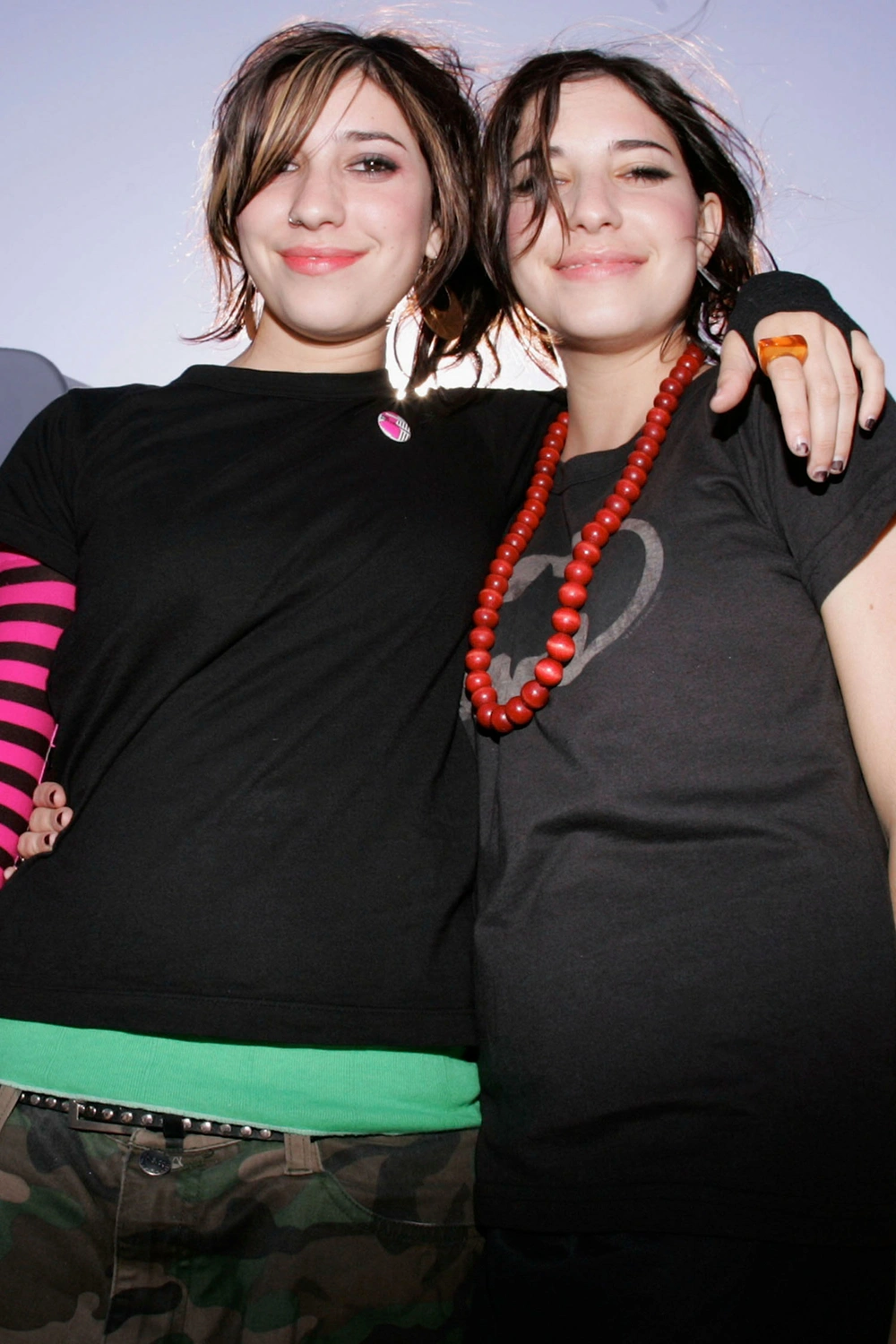
Social Media Bans: Death of Teen Style or Epic Revival?
Short-form video blurred the lines of teen style, turning unique subcultures into mass trends. Now, with talks of social media bans, are we witnessing the death knell of authenticity or the dawn of a new, vibrant era for
We’ve seen the cultural shift firsthand: short-form video platforms led to a veritable collapse of ‘tween culture. Suddenly, kids and adults weren't just sharing online spaces; they were consuming the exact same content, mimicking the same trends, and often, dressing in surprisingly similar ways. That distinct boundary, that unique sartorial language that once defined youth, largely evaporated. Now, as the conversation around social media bans gains traction, we have to ask: is this the ultimate death knell for teen style, or perhaps its most unexpected revival?
It’s a valid concern. For years, social media has been the primary incubator and accelerator of youth fashion. From cottagecore to dark academia, trends exploded globally overnight, driven by algorithms and influencer culture. This rapid-fire dissemination, while democratizing access to diverse aesthetics, also inadvertently diluted them. What started as a niche expression quickly became a mass market commodity, losing its original edge and meaning in the process. The sheer volume of content meant that genuine subcultures, which historically thrived on exclusivity and a slower, more organic evolution, found it incredibly difficult to maintain their integrity.
So, without this digital superhighway, what happens? Will teen style simply stagnate, lacking the inspiration and platforms for expression? There’s a fear that removing social media could isolate young people, hindering their ability to connect over shared aesthetic interests. The immediate, visual nature of platforms, for all its homogenizing effects, did fuel a certain kind of creative energy, even if it was quickly commodified. Without that constant feed, will teens struggle to find their fashion tribes?
However, there’s a compelling counter-argument, a vision of true revival. Imagine a world where style isn't dictated by viral challenges or algorithmically boosted trends. A social media ban, or even significant restrictions, could force a return to authenticity. Subcultures, by definition, are about belonging to a specific group with shared interests that often run counter to mainstream norms. This requires interaction beyond a screen—physical meet-ups, local scenes, and word-of-mouth discovery. This is where truly distinct aesthetics, less beholden to commercial pressures and mass appeal, could flourish once again. We could see style evolving organically, shaped by genuine friendships and shared values, rather than by the fleeting dictates of a trend cycle. This shift in how young people connect and express themselves could profoundly alter ‘consumer behavior,’ a topic already generating significant interest and one that analysts will be scrutinizing closely, particularly as we look towards comprehensive data points like those anticipated around July 2, 2026.
The homogenizing effect of short-form video on ‘tween culture has been undeniable. A ban, while disruptive, might just be the catalyst needed for a return to meaningful, distinctive self-expression. The outcome for the future of teen style, and indeed, for the very concept of youth subculture, hangs in the balance.
