Pope Leo Warns of AI Risks in New 'Magnificent Humanity' Manifesto

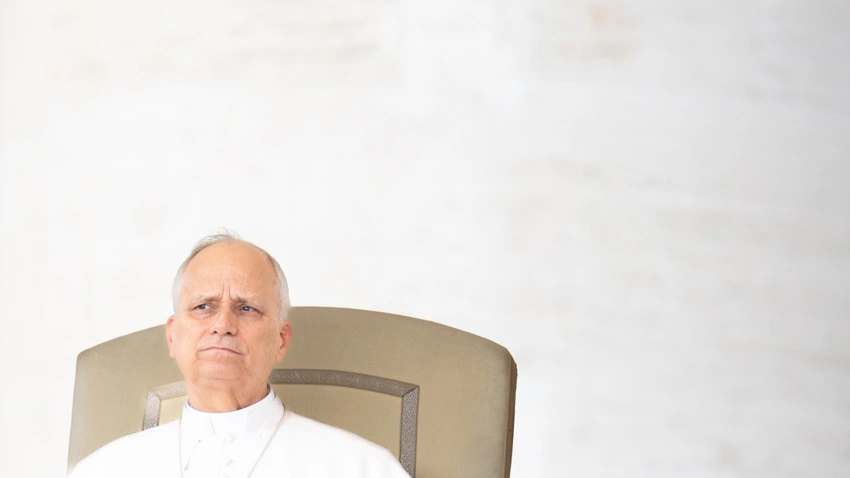
Pope Leo Warns of AI Risks in New 'Magnificent Humanity' Manifesto
Pope Leo XIV issues a major warning on AI, calling for regulation of 'opaque algorithms' and the protection of workers in his new encyclical Magnifica Humanitas.
Pope Leo XIV has officially entered the global conversation on Artificial Intelligence with the release of his first encyclical, titled "Magnifica Humanitas," or "Magnificent Humanity." In this 83-page document, the pontiff sends a clear and urgent message to world leaders: the era of unchecked AI development must come to an end. He argues that without government regulation, "opaque algorithms" controlled by a handful of powerful tech companies could lead to "new forms of dehumanization."
The Pope’s concerns go beyond the technical aspects of software; he is deeply focused on the human soul and the dignity of the individual. He warns that when a few private entities hold the keys to technology that can influence human behavior and decision-making, the risk to personal freedom is immense. By calling these systems "opaque," the Pope points to the lack of transparency in how AI makes choices that affect lives, from job applications to social interactions.
A significant portion of the manifesto is dedicated to the future of work. Pope Leo calls for robust protections and retraining programs for workers who are likely to be displaced by automation. He believes that the dignity of work is a fundamental human right that must be preserved, even as technology evolves. He suggests that technology should be a tool that serves humanity, rather than a force that renders people obsolete or devalues their labor.
Despite the heavy warnings, the encyclical is not a rejection of progress. Pope Leo attempts to balance his alarm with a vision of hope, encouraging scientists and developers to align their innovations with the common good. He envisions a world where AI is used to solve global problems and uplift the marginalized. However, he remains firm that this positive outcome is only possible if the world acts now to establish ethical guardrails.
As AI continues to transform every sector of society, "Magnificent Humanity" serves as a spiritual and ethical compass. The Vatican's stance marks a pivotal moment in the tech debate, shifting the focus from purely economic or technical concerns to the moral implications of our digital future. Whether tech giants and governments will heed this call for regulation remains to be seen, but the conversation has certainly reached a new level of global importance.
['#AIethics', '#PopeLeo', '#FutureOfWork', '#MagnificaHumanitas']
