Why NASA Blasting Chappell Roan in Space is the Ultimate Power Move

Why NASA Blasting Chappell Roan in Space is the Ultimate Power Move
Chappell Roan has officially gone intergalactic. Discover why NASA including the Midwest Princess on the Artemis II playlist is the highest form of cultural validation.
Forget the Grammys and forget the Billboard charts. If you really want to know if an artist has reached the peak of cultural relevance, you have to look toward the stars. Literally. NASA recently unveiled the official wake up playlist for the Artemis II crew, and tucked right there between legendary classics and modern hits was the Midwest Princess herself, Chappell Roan.
A New Kind of Moon Landing
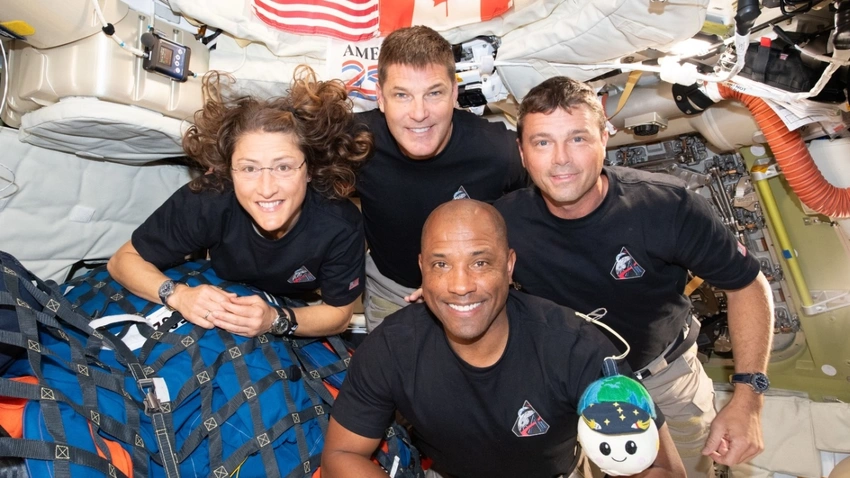
When the Artemis II crew members Reid Wiseman, Victor Glover, Christina Koch, and Jeremy Hansen blasted off for the first crewed lunar flight since 1972, they brought a handpicked soundtrack with them. Hearing Pink Pony Club resonate through the vacuum of space isn't just a win for pop music; it is a cosmic co-sign that proves Chappell's reach is truly universal.
For an artist whose brand is built on being an outsider from small-town Missouri, there is something poetic about her music being used to wake up astronauts as they hurtle toward the moon. It represents the ultimate journey from the trailer park to the stratosphere. NASA has a fifty year tradition of these wake up calls, and choosing Chappell Roan alongside heavyweights like Queen and David Bowie shows that the space agency knows exactly who is running the zeitgeist right now.
The Intergalactic Vibe Check
The playlist is a fascinating mix of high energy and steady focus. While tracks like Tokyo Drifting by Glass Animals and Denzel Curry provided the hype, and Under Pressure set the stakes, Chappell provided the heart. It is the perfect blend of camp and courage. It takes a certain level of confidence to play campy pop anthems while performing the most dangerous job in the world, and that is exactly the energy this mission needs.
More Than Just a Playlist
This inclusion cements Chappell Roan's status as a generational icon. When we look back at this era of space exploration, we will remember the images of the lunar surface, the technological breakthroughs, and the fact that the crew was probably humming along to the most infectious pop hook of 2024 while doing it.
NASA didn't just pick a song; they picked a movement. By sending the Midwest Princess to the moon, they have acknowledged that her influence is no longer tethered to Earth. If the goal of Artemis II is to reach new heights for humanity, starting the day with a bit of sparkle and a lot of pop perfection seems like the only logical way to fly.
