H-1B Interview Slots Vanish Across India, Dates Pushed to 2027

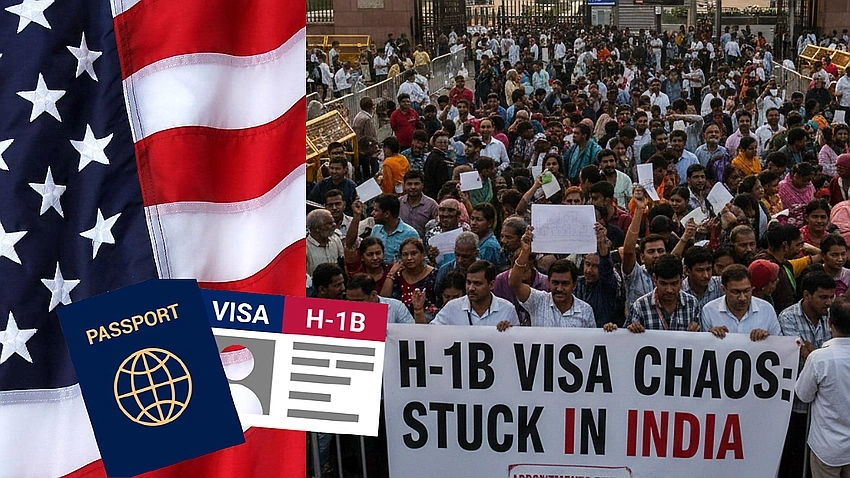
H-1B Interview Slots Vanish Across India, Dates Pushed to 2027
US consulates in India halt regular H-1B interview slots, pushing stamping dates to 2027 amid stricter screening and third-country stamping bans.
Indian professionals face an unwelcome stretch as H-1B visa stamping dates across India vanish from the calendar. Several US consulates report there are no regular interview slots for this year, with new dates pushed to 2027. For many applicants, the path to working in the United States is now a multi-year wait, complicating job offers, project timelines, and start dates.
Experts point to a tightening of U.S. visa policy that includes social media screening, more intensive background checks, and a ban on third-country stamping. Applicants who previously expected to travel for stamping in non-Indian territories may now see those options blocked, forcing them to wait longer. The backlog has been compounded by an uptick in 221(g) notices, which signal temporary holds for additional processing and often require extra documentation or extended verification. Biometric requests have surged at some offices, further extending evaluation times and creating additional hurdles for candidates hoping to move quickly.
The practical impact is felt across Indian tech hubs and multinational firms relying on steady talent pipelines. Start dates for new hires are slipping, assignments are delayed, and project managers face growing uncertainty. For students and interns sponsored for H-1B work, the delays could mean missing critical windows in their early career plans.
What can applicants do now? Stay updated with official notices, ensure contact details are current, and assemble comprehensive documentation to expedite any potential follow-up. Some policymakers argue that tighter screening protects national security and the integrity of the visa process, but critics warn that the timing and scale of disruption could hamper professional mobility and business continuity.
The situation underscores the broader tensions around U.S. immigration policy and the ripple effects on India’s tech sector. As the calendar stretches toward 2027, thousands will watch and wait, balancing career plans with policy uncertainty.
