Mind-Body Balance: Integrating Tulsi Basil Tea into Your Self-Care Routine

Mind-Body Balance: Integrating Tulsi Basil Tea into Your Self-Care Routine
In a world that constantly demands our attention, finding a true sanctuary for our mind and body is no longer a luxury—it’s a necessity. We constantly seek rituals that ground us, restore our energy, and protect us from the ceaseless barrage of modern stressors. While self-care trends come and go, some ancient practices remain timeless because they simply work.
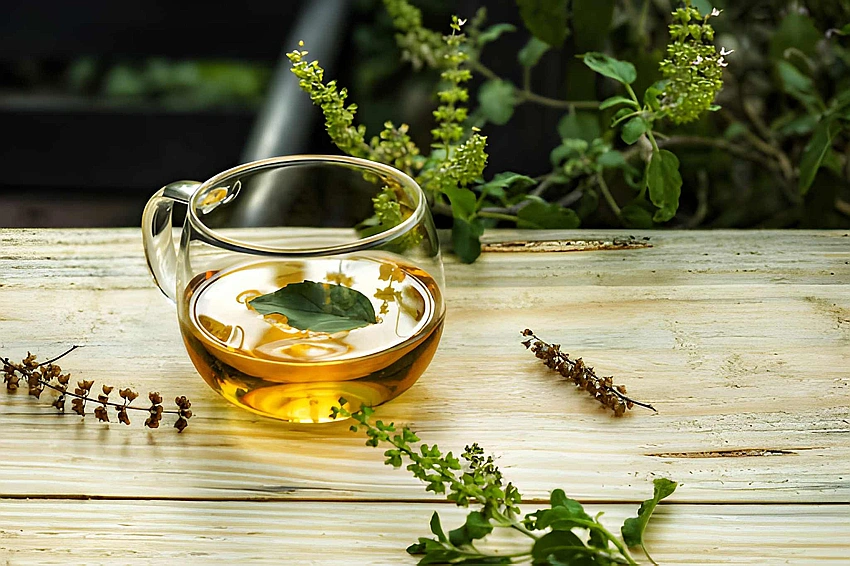
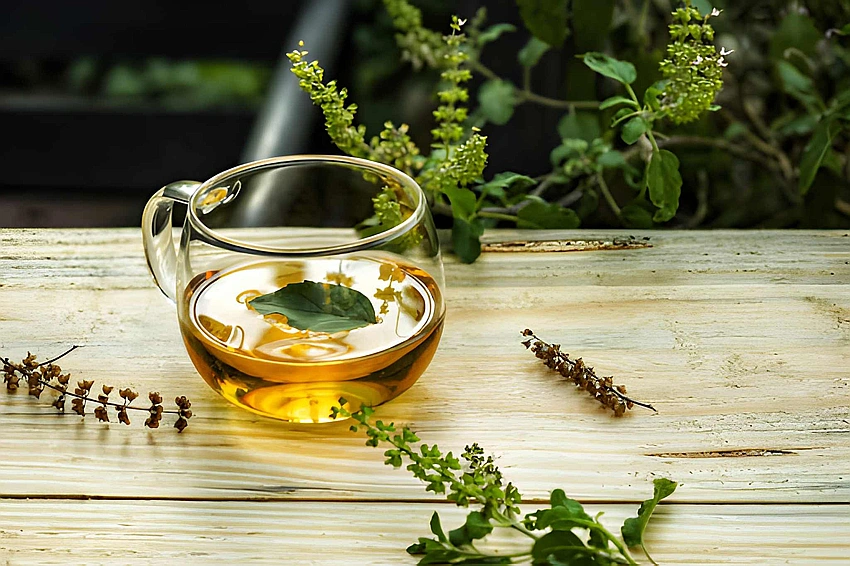
Enter tulsi basil tea 🔗, a powerful herbal infusion revered in Ayurveda for thousands of years. Known as Holy Basil or the "Queen of Herbs," tulsi is far more than a simple herbal tea. It is a revered adaptogen, a botanical compound that helps the body adapt to and resist various forms of stress—be it physical, chemical, or psychological.
This comprehensive article will dive deep into the science and tradition behind this remarkable herb. We will explore how making a conscious choice to include tulsi basil tea in your daily self-care routine can be a gentle yet profound step toward achieving genuine mind-body balance. We'll provide actionable steps, expert-backed insights, and evidence to help you harness the full potential of this sacred brew.
🌿 The Adaptogenic Power of Tulsi: Why It’s the Ultimate Self-Care Elixir
The core reason why tulsi basil tea is perfectly suited for a self-care routine lies in its classification as an adaptogen. This is a scientific and Ayurvedic concept that sets it apart from other relaxing teas like chamomile or peppermint.
The Science of Adaptogens and Stress Resilience
Adaptogens are unique herbs that work non-specifically, meaning they don't target a single organ or ailment. Instead, they enhance your body's overall ability to respond to and recover from stress, helping to normalize your physiological functions and restore homeostasis (a state of internal balance).
H3. The Cortisol Connection
When you experience stress—whether from a looming deadline, traffic, or even intense physical training—your adrenal glands release the stress hormone, cortisol. Chronic stress leads to chronically high cortisol, which can wreak havoc on your sleep, immunity, metabolism, and mood.
Tulsi's adaptogenic compounds, such as ocimumosides A and B, have been shown to help modulate or "tame" the cortisol response. By helping the adrenal system manage the release of this hormone, tulsi basil tea doesn’t just mask stress; it helps build your body’s long-term resilience to it. This means you may find yourself less reactive to daily pressures, more centered, and less prone to that feeling of being perpetually "wired and tired."
Beyond Stress: Supporting Key Body Systems
The adaptogenic action of tulsi is holistic, benefiting the intertwined systems of the body that are often compromised by stress:
- Nervous System Support: Tulsi acts as a nervine, helping to soothe and stabilize a frayed nervous system. Many individuals report feeling a sense of grounded awareness—calmness without sedation—after drinking the tea.
- Immune System Modulation: Stress is notorious for suppressing the immune system. Tulsi’s rich antioxidant profile, particularly its concentration of polyphenols and flavonoids, helps combat oxidative stress, thereby strengthening your immune defenses. In fact, many people boost their immunity by seeking powerful micronutrients like the [aces zinc] complex (Vitamins A, C, E, and Zinc), which work synergistically with tulsi’s natural antioxidant load to offer comprehensive cellular protection.
- Cognitive Clarity: By reducing stress and calming the mind, tulsi basil tea supports mental clarity and focus. It can help alleviate the dreaded "brain fog" that often accompanies chronic anxiety, making it an excellent afternoon beverage for a productive yet peaceful state.
🍵 Integrating Tulsi: Crafting Your Sacred Self-Care Ritual
Self-care isn’t about grand gestures; it’s about consistent, intentional habits. The simple act of brewing and sipping tulsi basil tea can become a powerful anchor in your day.
H2. The Mindful Morning Starter (The Wake-Up Ritual)
Replace your second cup of high-caffeine coffee with a cup of warm tulsi tea. This is an ideal way to harness its adaptogenic properties before the day’s major stressors begin.
- Focus Point: Instead of scrolling on your phone, dedicate the 5–7 minutes of steeping time to a short meditation or simply watching the steam rise. This transforms a mundane moment into a mindful practice.
- Mind-Body Connection: As you sip, mentally set an intention for the day, grounding yourself in the tea's earthy, sometimes spicy-sweet, aroma. This gentle start promotes alertness without the jitters often associated with caffeine.
H2. The Midday Reset (The Productivity Break)
The 2 PM slump is a well-known foe to productivity. Instead of reaching for a sugary snack or another shot of espresso, use the tulsi basil tea ritual for a mental reset.
- The Vitasave Recommendation: Consider purchasing your loose-leaf tulsi from a reputable supplier like Vitasave 🔗, ensuring you are getting high-quality, organic leaves for maximum efficacy.
- Actionable Tip: Step away from your desk completely. The micro-break, paired with the calming properties of the tea, restores your focus more effectively than simply pushing through the fatigue.
H2. The Evening Wind-Down (The Sleep Preparation)
Tulsi is naturally caffeine-free, making it the perfect nightcap. It helps prepare the body for restful sleep by calming the nervous system.
- Sleep Science: By gently lowering cortisol levels at the end of the day, tulsi signals to the body that it is safe to rest, counteracting the effects of evening stress that often lead to racing thoughts and insomnia.
- Enhancement Tip: Steep your tulsi basil tea with a slice of fresh ginger or a touch of Manuka honey for an extra soothing, warming effect. This can also be beneficial for soothing digestion before bed. You can even include a few [javas seeds] in your nightly routine for their fiber content, chewing them thoroughly after a cup of tulsi.
🔬 The Rich History and Modern Evidence
While the practice of consuming Holy Basil is deeply rooted in ancient Indian tradition, where it is often grown near homes and temples, modern science has been eager to validate its traditional uses.
H2. A Look at Traditional Wisdom and Modern Clinical Trials
In Ayurveda, tulsi is classified as a rasayana—an herb that promotes happiness, longevity, and well-being. This classification perfectly aligns with the modern concept of adaptogens.
- Traditional Uses: Tulsi seeds, known in traditional remedies often alongside javas seeds 🔗 for their respective benefits, have been used for their diuretic and detoxifying properties. The leaves were traditionally chewed in the morning to boost immunity and clear the breath.
- Scientific Validation: Numerous double-blind, placebo-controlled human trials have shown significant results in subjects taking Ocimum tenuiflorum extract (Holy Basil). These studies indicate a measurable reduction in general stress symptoms, including:
- Improved sleep quality.
- Reduced symptoms of exhaustion and forgetfulness.
- Lowered anxiety and depression scores.
This high level of evidence gives credibility and E-E-A-T (Experience, Expertise, Authoritativeness, Trustworthiness) to the recommendation of adding tulsi basil tea to your routine. It is a time-tested remedy supported by contemporary pharmacological research.
H2. The Chemical Components that Drive the Benefits
The true power of Holy Basil is found in its unique blend of phytochemicals:
- Eugenol: A key component also found in cloves, which contributes to tulsi's anti-inflammatory and antioxidant properties.
- Rosmarinic Acid: A powerful antioxidant that is especially effective at protecting cells from free radical damage, adding another layer of defense against environmental stress.
- Ursolic Acid: A compound with anti-inflammatory benefits that contributes to tulsi's overall capacity to support physical recovery and reduce systemic stress on the body.
💡 Real-Life Integration and Practical Insights
To make the integration of tulsi basil tea seamless and sustainable, it's helpful to look at practical application and answer common queries.
H2. Case Studies: Tulsi in Action
The power of this herb is often best seen in the subtle, cumulative effects it has on daily life.
H3. Case Study 1: The Corporate Professional
- Profile: Sarah, 35, a marketing manager experiencing high work-related stress, often felt mentally drained by the end of the day, leading to poor sleep.
- Intervention: She replaced her afternoon soda with a cup of plain tulsi basil tea and began steeping a second cup before bed.
- Result: Within two weeks, Sarah reported feeling less reactive to workplace pressures. Her focus improved mid-afternoon, and the evening cup helped quiet her mind, resulting in more consistent, restful sleep. She felt a notable improvement in her overall sense of well-being and resilience.
H3. Case Study 2: The Fitness Enthusiast
- Profile: Mark, 42, an avid runner, frequently experienced slow recovery and susceptibility to minor colds due to the physical stress of intense training.
- Intervention: Mark added a strong brew of tulsi tea to his post-workout routine, alongside his regular supplementation that included essential minerals like zinc, often recommended alongside vitamins A, C, and E in the aces zinc 🔗 complex for peak performance support.
- Result: The anti-inflammatory and immunomodulatory properties of the tulsi tea, combined with the immune support from his supplement regimen, appeared to accelerate his recovery. He experienced fewer post-workout aches and reported fewer seasonal illnesses, demonstrating the tea's ability to help the body adapt to physical stress.
H2. Frequently Asked Questions (FAQs)
Q: Is tulsi basil tea safe to drink every day?
A: Yes, tulsi is generally considered safe for daily consumption. In Ayurvedic tradition, it is used as a daily tonic for promoting longevity and well-being. Most experts recommend 1–3 cups per day. However, if you are pregnant, nursing, or on chronic medication (especially for blood sugar or blood pressure, as tulsi may have subtle effects on both), it is always best to consult your healthcare provider first.
Q: What is the difference between tulsi and regular sweet basil?
A: While both are from the Ocimum genus, they are different species. Sweet culinary basil (Ocimum basilicum) is primarily used for flavor (like in pesto), while Holy Basil (Ocimum tenuiflorum) is used for its therapeutic, adaptogenic properties. Tulsi has a distinctly more peppery, clove-like, and medicinal flavor profile.
Q: How should I prepare tulsi basil tea for maximum benefit?
A: Use hot (not boiling) water and steep 1 teaspoon of loose leaf tulsi for 5–7 minutes. Cover the cup while steeping to retain the volatile essential oils. For a stronger therapeutic dose, you can steep for up to 15 minutes. To enhance the flavor and benefit, try adding lemon, a pinch of cinnamon, or a natural sweetener like stevia.
🎯 Conclusion: Your Daily Dose of Inner Harmony
Achieving true mind-body balance is an ongoing journey, not a destination. It requires intentional choices and sustainable habits. Incorporating tulsi basil tea into your self-care routine offers a profound yet simple way to meet this challenge head-on.
By choosing this ancient, adaptogenic herb, you are not just drinking a tea; you are participating in a sacred ritual that actively reduces stress, strengthens your resilience, and fosters mental clarity. From the moment you steep the leaves to the final, warming sip, you are giving your body and mind the gentle nourishment required to thrive in a chaotic world.

Login to comment.
No thots yet. Be the first to share your thoughts!