Suno's Latest Scandal: Your Favorite Songs Are Being AI-Ripped!

Suno's Latest Scandal: Your Favorite Songs Are Being AI-Ripped!
AI music platform Suno is facing a storm of lawsuits over alleged song rip-offs, including hits like 'Sk8er Boi.' Is your music safe from generative AI?
The music industry is buzzing, and not in a good way. Generative AI music platforms like Suno are facing a barrage of lawsuits, sparking a crucial debate: are creators' original works safe from sophisticated digital imitation? It's not just abstract theory; we're talking about direct, unsettling resemblances to beloved hits.
The Alarming Echoes of Pop Classics
Take the latest from SOCAN, Canada's performance rights organization. They've gone to Canadian federal court, citing what they call “blatant ripoffs” of iconic tracks. Imagine hearing an AI-generated track that sounds eerily like Avril Lavigne's 'Sk8er Boi' or Tom Cochrane's 'Life Is A Highway'.
SOCAN's comprehensive case points to 150 such tracks, arguing they directly and significantly copy specific Canadian artists.
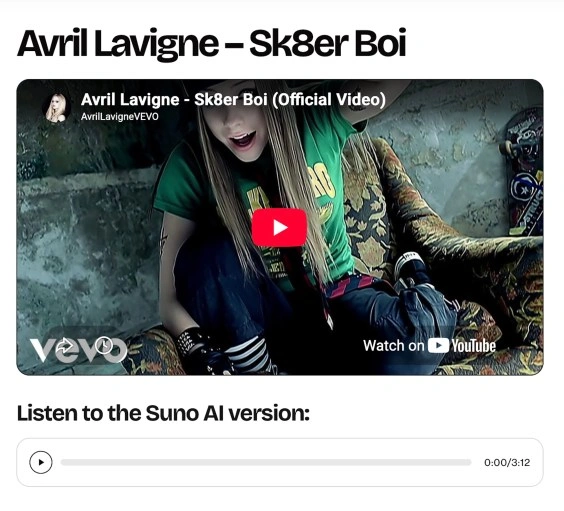
One example that really raises eyebrows is the AI version of 'Sk8er Boi,' bizarrely titled 'Sk8er Boi (K-pop remix) (Avril Lavigne cover).' It even incorporated some Korean for some reason! It sounds like a smoothed-out replication, designed to skirt detection while still clearly deriving from the original. Artists like Alexisonfire, K.
Maro, and Daniel Balavoine are also among those whose works appear to have been repurposed in Suno's output.
Industry Battles and Economic Stakes
Major players like Universal Music Group and Sony Music Entertainment are already in active litigation against Suno. While Warner Music Group took a different path, settling its lawsuit for a strategic partnership, the broader industry concern is palpable. It's a stark reminder of the economic implications for every musician.
As SOCAN CEO Jennifer Brown puts it,
Typically in a licensing agreement, there would be a profit sharing. If somebody was getting paid, a portion of the subscription revenue would go to the:
This highlights the fundamental issue: who benefits, and who gets compensated, when AI learns from and then mimics existing art?
It's not only about copyright infringement, either. A separate lawsuit from acclaimed musicians like Jason Isbell and David Lowery focuses on name rights, adding another complex layer to the legal maze. This shows how AI's transformative influence touches every corner of artistic protection, from melody and lyrics to an artist's very identity.
What Does This Mean for the Future of Music?
The core question remains: are songwriters truly safe in this new AI-driven creative landscape? When AI can produce tracks so similar to established hits, the inherent value of original creation is fundamentally undermined. The ongoing legal battles are not just about individual cases; they are setting critical precedents that will profoundly shape the future of the music industry.
For artists, securing fair compensation and fiercely protecting their unique creative voices in this rapidly evolving environment is absolutely paramount.
The stakes couldn't be higher for the integrity of music itself.
