The Sad Girl Canon and What It Says About Modern Womanhood

The Sad Girl Canon and What It Says About Modern Womanhood
The Sad Girl Canon and What It Says About Modern Womanhood
Exploring the rise of 'sad girl canon' in BookTok and Bookstagram, this piece traces how a wave of emotionally aware young-woman narrators has become a shared cultural marker—and what that means for readers today.
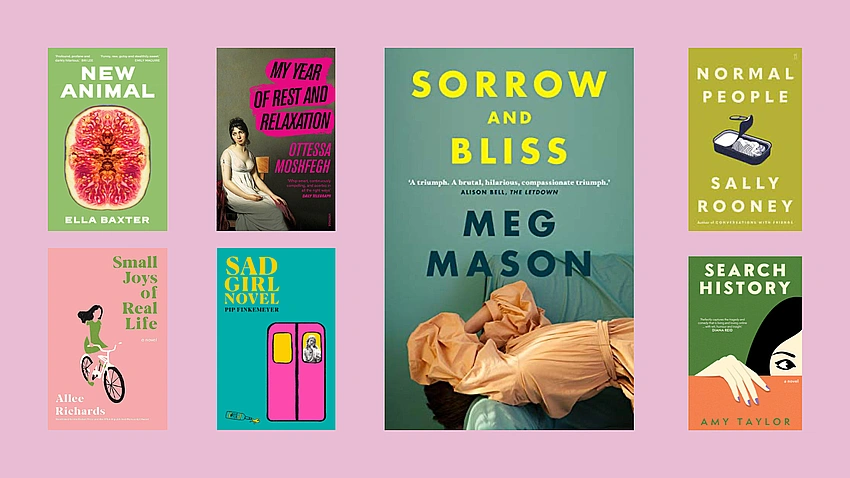
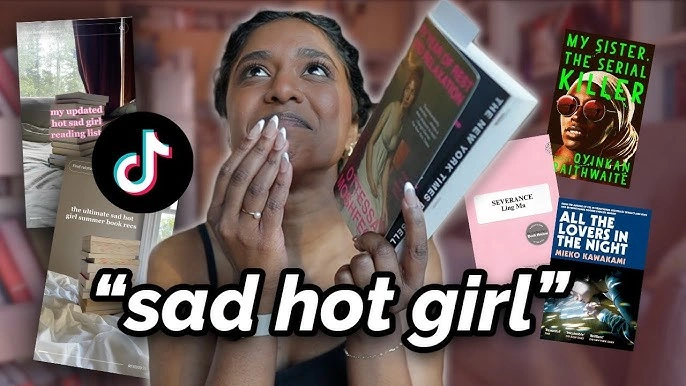
The phrase “sad girl canon” first arrived in my life not in a seminar room but in my feed. Bookstagram stacks of pastel spines. TikTok edits of girls in headphones, mascara running, captions about “rotting” in bed with Ottessa Moshfegh or Sally Rooney for company. Somewhere between meme and marketing category, a new mini canon seemed to form in real time. Yet when I actually read these books, they felt less like a quirky aesthetic and more like a collective diagnosis of what it means to be a young woman now.
So what is the “new sad girl canon”?
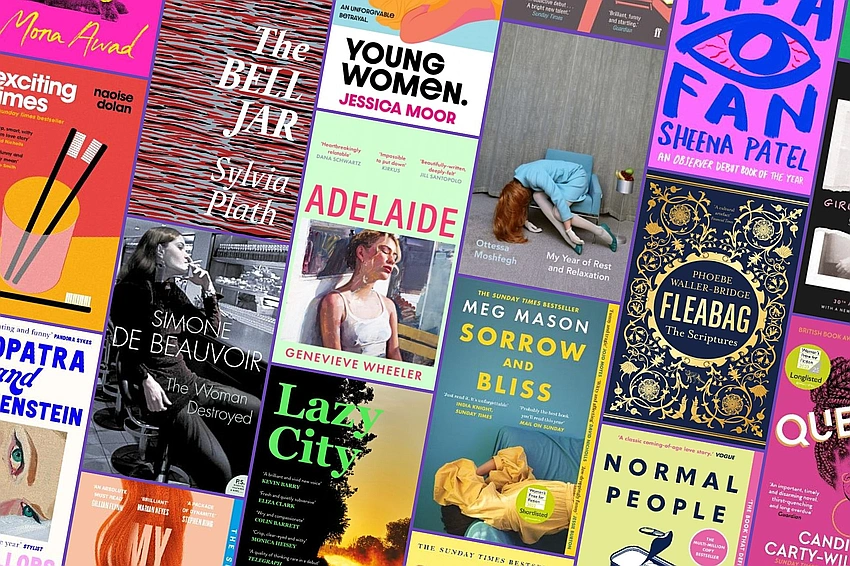
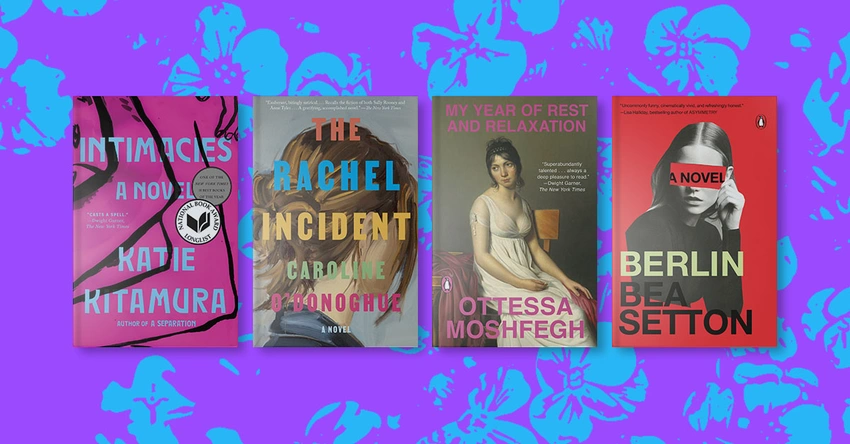
Publishers and the press have taken to grouping a cluster of recent novels under labels like “sad girl lit” or “cool girl novels”. They usually feature a young woman narrator, often twenty or thirty-something, emotionally frayed, and painfully self-aware. Think My Year of Rest and Relaxation by Ottessa Moshfegh, Conversations with Friends and Normal People by Sally Rooney, or Sayaka Murata’s Convenience Store Woman. These books are now routinely gathered on “sad girl” recommendation lists and reading challenges.
Mainstream pieces have also focused on Rooney and Moshfegh in particular as poster girls for the trend. Rooney is described in one profile as the “queen of sad girl lit”, while Moshfegh has publicly worried about her “sad girl” fans, even as My Year of Rest and Relaxation is repeatedly held up as a defining title of the genre.
At the same time, critics like The Guardian and literary journals point out that this is basically a rebranding of women’s emotive fiction. The term “sad girl novel” is described as a dubious kind of marketing shorthand that risks trivialising serious work about mental health, desire and precarity.
So when I talk about the “new sad girl canon”, I am thinking about this cluster of very visible titles and the discourse around them. A set of books that has become shorthand for a particular figure of contemporary womanhood.
Neoliberal burnout in a beautiful girl’s body
One thing that unites many of these novels is their focus on burnout and disengagement. Moshfegh’s unnamed narrator decides to literally sleep for a year, numbing herself with pharmaceuticals in a bid to opt out of late capitalist life. Rooney’s heroines loop endlessly through situationships, unpaid emotional labour and the low-level humiliation of underpaid creative work. Murata’s Keiko in Convenience Store Woman clings to the rigid routine of retail to survive a society that finds her illegible.
On the surface, these women can look passive. They ghost, sleep, scroll, drift. This has become one of the main charges against the genre. Essays complain that the sad girl canon mistakes vibes for depth, that these protagonists are stuck in self-absorption rather than genuine political critique.
Yet reading them as a student who is constantly told to “lean in”, optimise, and turn myself into a brand, the refusal at the heart of these books feels oddly radical. Academic work on “sad girl lit” has started to frame these heroines not simply as apathetic but as bodies registering the psychic costs of austerity and precarious labour. Their sadness becomes a kind of negative image of the allegedly empowered, endlessly resilient “girlboss” we are supposed to become.
The messy body and the bad feminist heroine
These novels are also obsessed with the female body in very unglamorous ways. Hunger, dissociation, compulsive sex, self-harm, illness. In My Year of Rest and Relaxation, the narrator’s project of sleeping becomes a grotesque self-experiment that pushes her body to the edge. In Rooney’s fiction, desire is inseparable from self-loathing and power; characters constantly negotiate who gets to want whom, and on what terms.
This emphasis on the abject and unlikable woman is hardly new. Penguin Random House’s “Essential Sad Girl Literature” list explicitly connects recent titles to earlier writers like Sylvia Plath and Virginia Woolf, arguing that the “sad girl” has been a recurring figure through whom women writers explore depression, creativity and constraint.
What feels specifically contemporary, though, is the way these books stage bad feeling alongside feminist discourse itself. Many of them take place in worlds where therapy speak, social justice language, and self-care rhetoric are already in circulation. The heroines know all the right terms. They can name their trauma. They still behave terribly. That disjuncture creates an uncomfortable honesty about how knowing better does not magically translate into doing better.
Who gets to be sad?
At the same time, the “canon” that circulates in TikTok videos and book marketing is noticeably narrow. As several commentators have pointed out, sad girl literature, as it is popularly branded, tends to centre white, cis, often middle-class women whose main obstacles are internal rather than material.
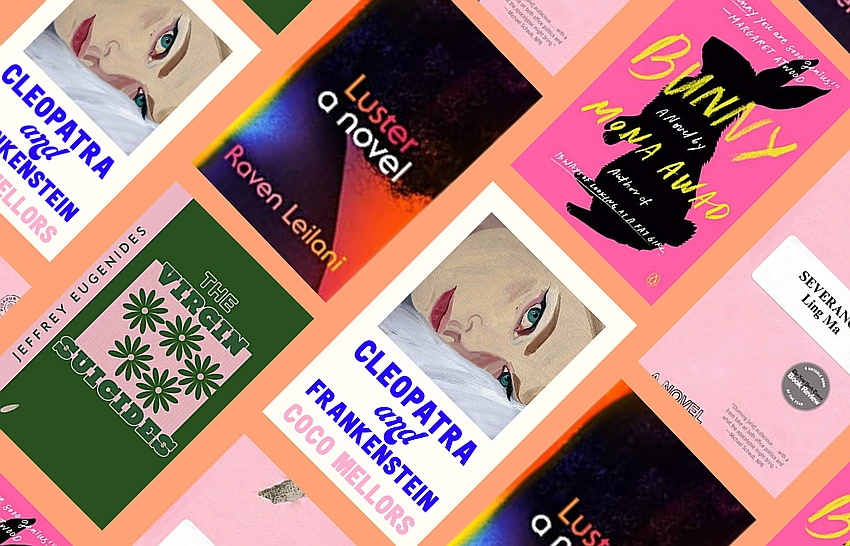
There are, of course, writers of colour and queer authors working with similar effects of melancholy and alienation. Reading lists explicitly labelled “sad girl books with characters of colour” include novels like Ling Ma’s Severance, Pizza Girl by Jean Kyoung Frazier or Toni Morrison’s Sula, reminding us that exhaustion and estrangement are not exclusively white problems. But the fact that these need separate lists tells us something about who is automatically imagined when we say “sad girl”.
This is where the language of canon becomes tricky. A canon suggests importance and centrality, yet the way this one circulates also erases difference. It risks flattening very specific depictions of class, race and disability into one homogenous “relatable” girl in a slip dress staring out of a train window.
What today’s fiction is telling us
For all the marketing noise, I keep returning to these books because they feel like a collective attempt to narrate modern womanhood as it actually feels rather than as it should look. They give us heroines who are lonely but hyper-connected, politically aware yet immobilised, educated yet economically vulnerable, surrounded by choice yet unsure what any of it means.
Whether we call that a “sad girl canon” or reject the label entirely, the current wave of fiction about young women is insisting on their full, messy subjectivity. It is not giving us inspirational role models. It is giving us characters who sit with the pain of being alive in a time that promises us everything and delivers very little.
['#SadGirlCanon', '#SadGirlLit', '#BookTok', '#Bookstagram', '#ModernFeminism']
