US report flags China’s move to stabilise ties with India amid LAC disengagement

US report flags China’s move to stabilise ties with India amid LAC disengagement
A U.S. assessment says China is leveraging reduced LAC tensions to stabilise ties with India, expand its regional footprint, and brand Arunachal Pradesh a core interest.
A new U.S. assessment highlights how China is trying to capitalise on the disengagement along the Line of Actual Control to ease border tensions with India and stabilise broader bilateral ties, even as it expands its regional footprint across South Asia. The report points to Beijing’s exploration of potential bases in countries such as Bangladesh, Pakistan and Sri Lanka, signaling a broader push to project power beyond its immediate borders.
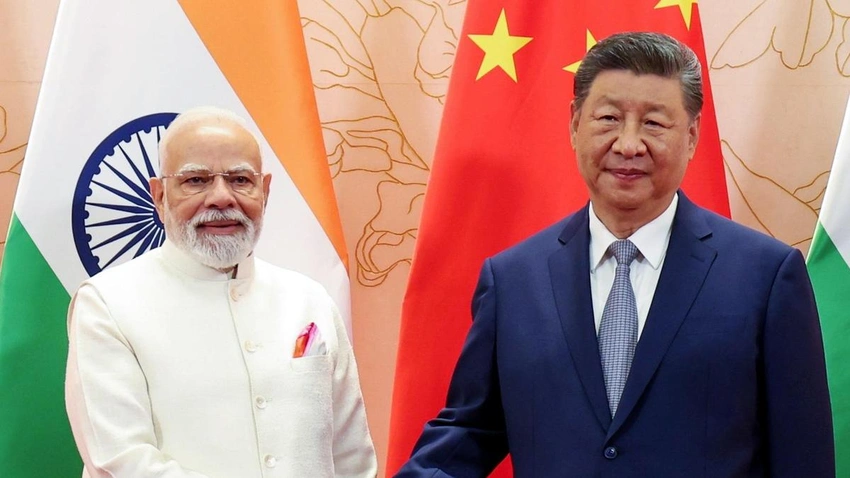
Observers note that the October 2024 agreement on LAC patrolling could be part of a broader strategy to prevent a deepening of U.S.-India strategic ties. The timing around high-level engagements, including discussions between Chinese President Xi Jinping and Indian Prime Minister Modi, has been framed as a calibrated diplomatic thaw. The discussions reportedly focus on border-management mechanisms and practical steps like resuming direct flights, visa facilitation, and exchange initiatives for academics and journalists.
On the military side, the assessment underscores a growing footprint: Beijing is reported to have delivered 36 J-10C fighter aircraft to Pakistan over the past five years, along with four frigates, alongside stepped-up defence cooperation with Pakistan. It also notes that Beijing has pursued ways to reduce friction at the LAC while keeping options open for broader strategic access in the region.
Beijing’s stance on Arunachal Pradesh as part of its 'core interests' has become a focal point in Washington's reading of Beijing’s longer-term goals, alongside Taiwan and maritime disputes. While India and China appear to be moving toward routine dialogue and limited thaw, the report argues that mutual distrust and longstanding irritants will likely limit the growth of their partnership. Meanwhile, the broader trend of China seeking to strengthen ties with Pakistan and to deepen defence links in the region adds to the strategic balancing act facing New Delhi and its partners.
Taken together, the findings suggest a careful, multi-layered engagement: reduced border friction on the LAC, steady military diplomacy with Pakistan, and a desire to expand diplomatic and economic ties, all while avoiding a wholesale realignment with the United States that could push New Delhi toward adversaries. For India, the challenge remains to translate these signals into durable gains—without conceding core concerns around sovereignty and border management.
